




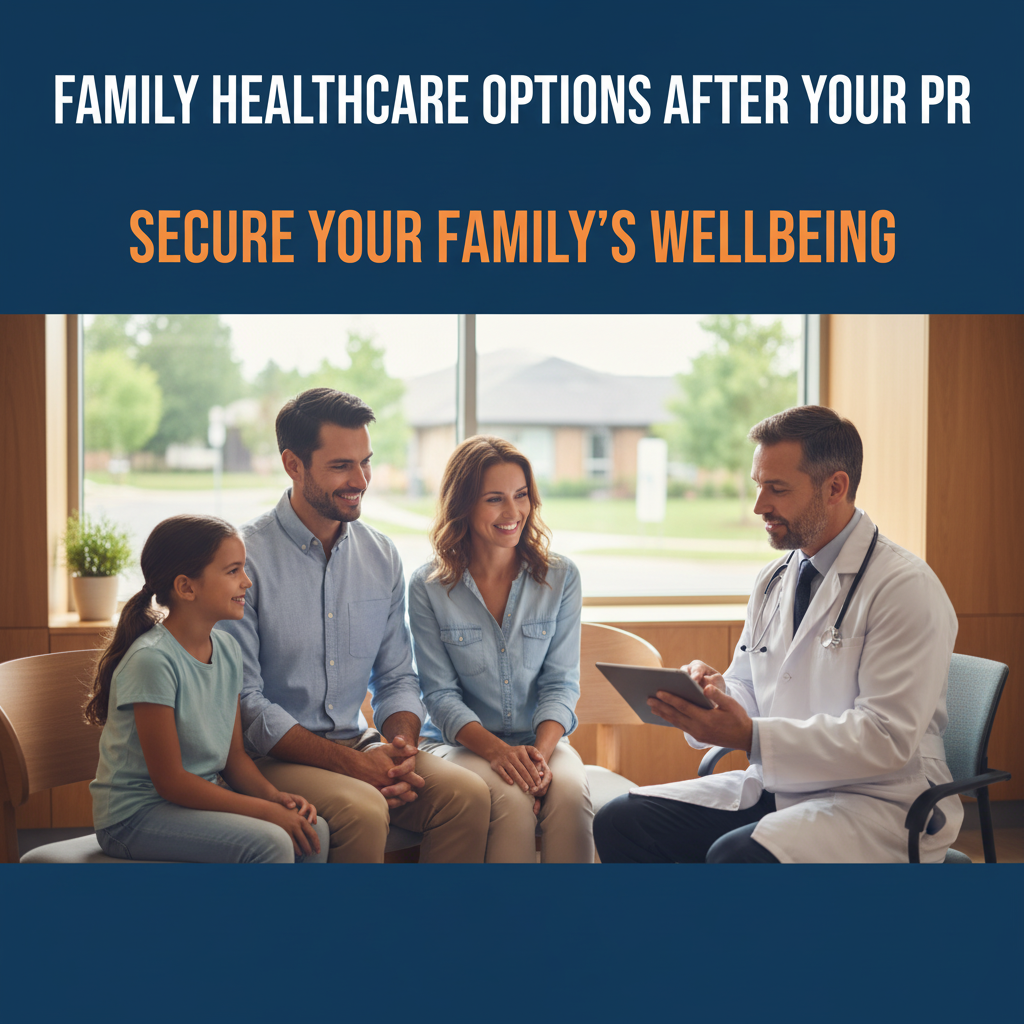
Understand the best family healthcare options after gaining PR status. Compare public, private, and insurance choices to keep your family covered.
Introduction
Gaining permanent residency (PR) opens new doors to medical security for your loved ones. Over 80% of new PR families cite healthcare access as a top priority. This article explores family healthcare after PR, outlining coverage pathways, insurance options, and tips for navigating the medical system for immigrants.
Understanding Family Healthcare After PR
Permanent residency fundamentally changes your family’s access to healthcare. In countries like the United States, Canada, and across the EU, PR holders become eligible for public healthcare systems or subsidized insurance plans—but eligibility rules, waiting periods, and benefits often vary.
In many regions, families must apply for public healthcare as soon as residency is confirmed. For example, in Canada, incoming families receive access to universal health care after a short waiting period—up to three months in some provinces1. It’s vital to arrange private health insurance to cover any gaps before public coverage begins. In the US, lawful permanent residents (LPRs) may access programs like Medicaid and CHIP, but sometimes only after a five-year waiting period. Until then, marketplace health plans or employer-based coverage remain the best options.
Comparing Public vs. Private Healthcare Options
Many families must weigh public vs private healthcare after PR. Public healthcare is typically funded by the government and guarantees access to essential medical services, often at low or no cost. It promotes equity and predictable coverage for all residents, offering preventive care, emergency services, and support for chronic conditions.
Private healthcare, on the other hand, allows quicker access to specialists, reduced wait times, and tailored plans, but generally comes with higher out-of-pocket costs. Private health insurance for PR families can fill gaps in coverage—for example, during waiting periods for public insurance—or offer added benefits, such as private hospital rooms or international coverage.
Here’s a brief overview:
| Public Healthcare | Private Healthcare |
|---|---|
| Universal/basic coverage | Custom plans, premium services |
| Funded by taxes/government | Paid by individuals/employers |
| Focus on equity and access | Focus on choice and convenience |
| May involve waiting periods | Fast appointments |
| Lower cost, broad protection | Higher cost, expanded benefits |
Mixing both systems is common; families often combine public coverage for basic needs with private insurance for additional protection.
Health Insurance Tips for PR Families
To secure optimal medical coverage after permanent residency, consider these practical steps:
- Check waiting periods: Some public plans require waiting before coverage begins. Secure private insurance to bridge the gap.
- Apply for family health cards: Every family member typically needs to register separately for national or regional health cards.
- Explore employer coverage: Many jobs offer private insurance to dependents—review your package details.
- Consider international health plans: If your family travels often or has cross-border needs, select insurers offering global family healthcare after PR.
- Review special programs: In certain countries, programs like CHIP in the US and family benefits in the EU provide coverage for children and dependents regardless of parental employment status.
Especially for new immigrants, understanding the medical system for immigrants is crucial. Doctors, clinics, and emergency services may be accessed differently compared to your country of origin, so familiarize yourself with local procedures.
Conclusion
Securing family healthcare after PR is essential for wellbeing and peace of mind. Assess public and private healthcare options for permanent residents, apply for necessary documents promptly, and consider supplemental insurance for maximum protection. Prioritize your family’s health—get informed and stay proactive when navigating the healthcare system for immigrants.