



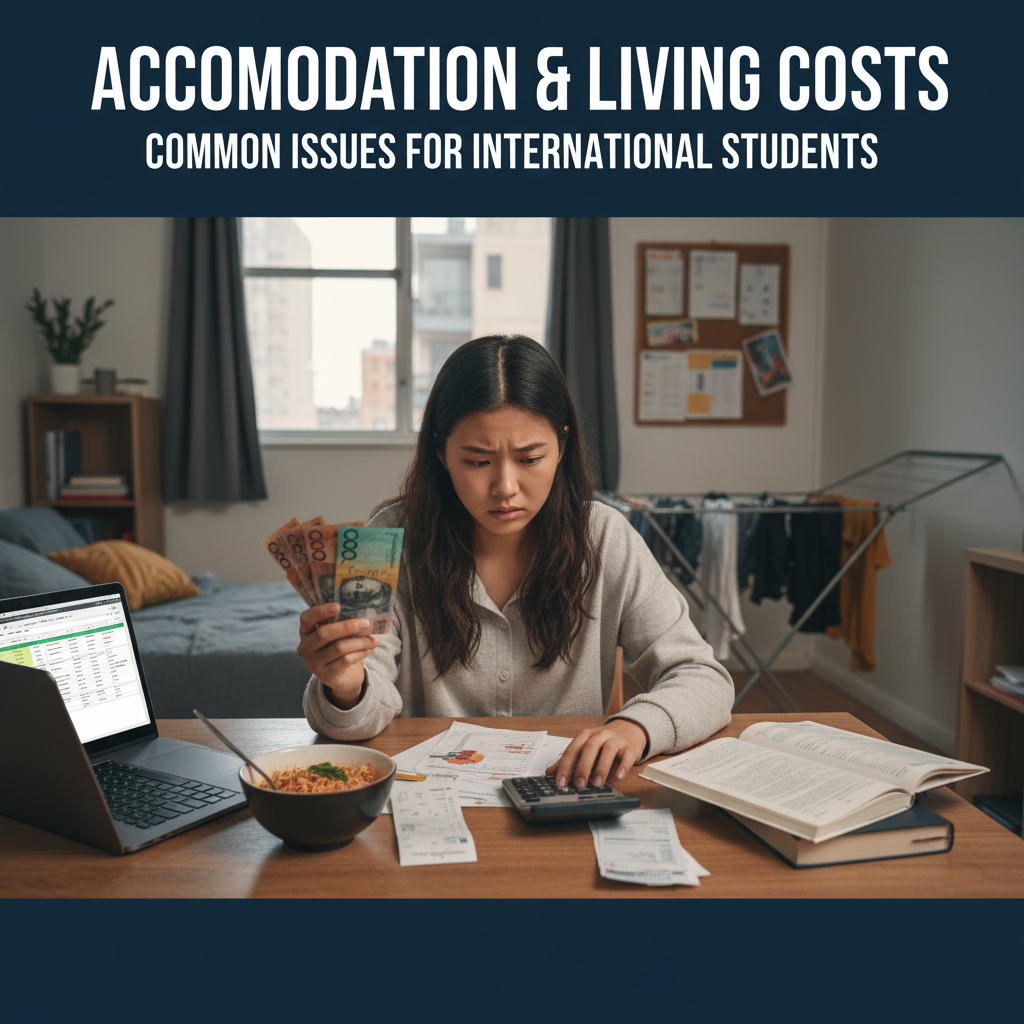
Discover key challenges around accommodation and living costs for international students, plus smart tips for affordable, stress-free student life abroad.
Introduction
Rising living costs are a top concern for international students, with accommodation often making up over 40% of their monthly expenses. Navigating new housing markets and budgeting in unfamiliar currencies requires smart planning. This article explores the most common issues surrounding accommodation and living costs for international students and shares practical solutions for a smoother experience.
Navigating International Student Accommodation Issues
Finding suitable housing is one of the first—and biggest—hurdles international students face upon arrival. Many encounter challenges like limited on-campus housing, language barriers with landlords, and differing rental practices. Popular student cities may have long waiting lists or require early applications. Private rentals can appear attractive but carry risks, such as high upfront deposits or scams. Students should utilize university housing services, reliable listing platforms, and peer recommendations to ensure their search is safe and efficient. Starting early and knowing what’s included in rent—like utilities or internet—can also prevent unexpected costs.
Understanding the Cost of Living for International Students
The cost of living for international students varies greatly depending on country, city, and lifestyle. Major urban centers tend to have the highest prices for accommodation, groceries, and transportation. Hidden costs—such as mandatory health insurance, household supplies, and mobile phone plans—can quickly add up. To maintain financial stability, students should create monthly budgets, track expenses, and look for student discounts wherever possible. Sharing a flat with others and opting for affordable accommodation for overseas students—like hostels or homestays—are practical ways to cut costs.
Student Budget Management Tips for Successful Study Abroad
Adapting to a new cost environment means learning to manage money proactively. One effective student budget management tip is to use budgeting apps designed for international students, which can help monitor daily spending. Cooking at home, using public transportation, and participating in campus events with free meals or entertainment can all help stretch a tight budget. It’s wise to open a student bank account in the host country to avoid high transaction fees and seek part-time work, if allowed, to supplement finances. Always keep an emergency fund for unforeseen housing problems for students abroad, like sudden rent increases or repairs.
Conclusion
Accommodation and living costs are real challenges, but with good planning and reliable information, international students can thrive abroad and keep financial stress to a minimum. Prioritizing research and using student-focused resources leads to affordable accommodation and a rewarding study experience.