



Learn how to convert overseas qualifications in Australia with expert tips on recognition, skills assessment, and professional accreditation for migrants.
Introduction
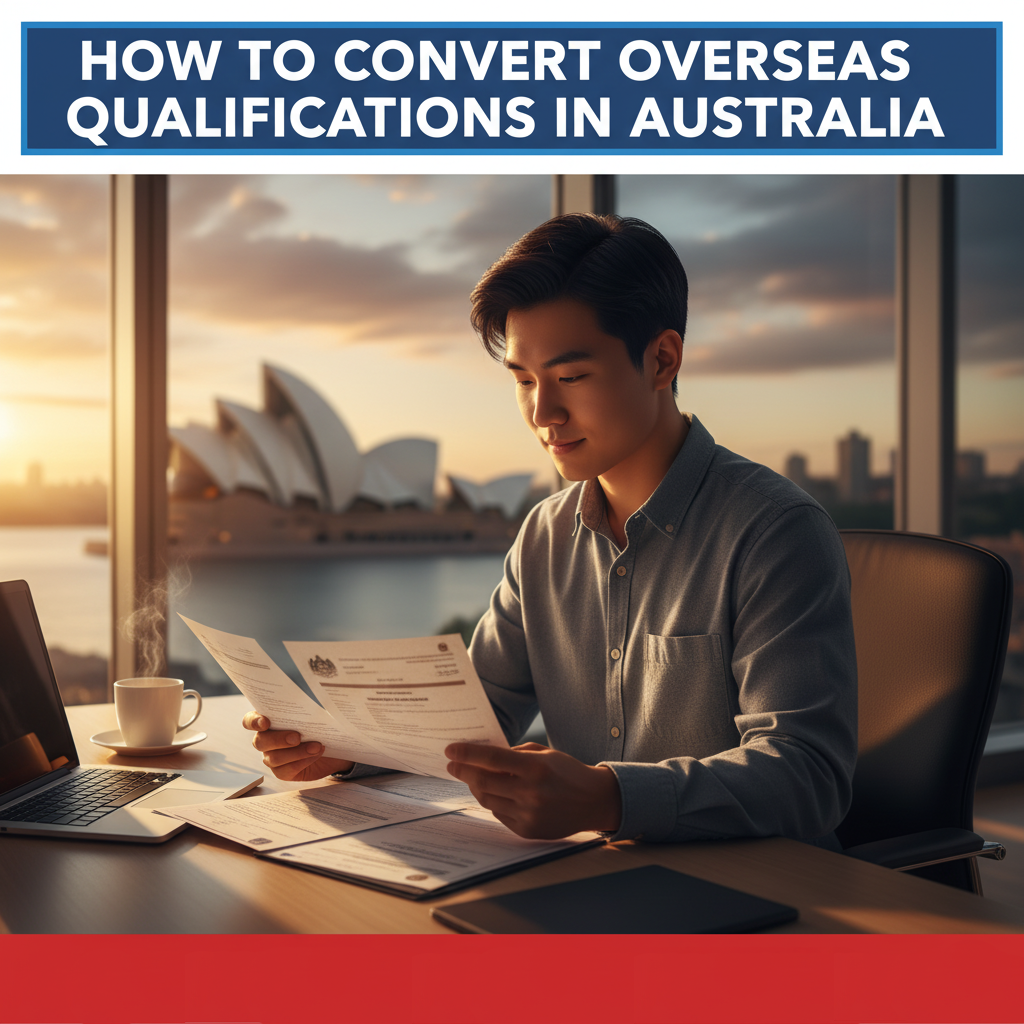
Converting overseas qualifications in Australia is a critical step for migrants who want to work, study, or advance their careers. With Australia’s rigorous standards for education and professional practice, understanding the recognition of foreign qualifications Australia processes is essential. This guide explains how to navigate overseas degree assessment Australia requirements, the skills assessment process, and professional accreditation pathways to ensure your qualifications are valued and accepted.
Understanding Recognition of Foreign Qualifications in Australia
Recognition of foreign qualifications Australia-wide involves comparing your international degree or diploma against the Australian Qualifications Framework (AQF). This equivalency process helps employers, professional bodies, and educational institutions understand the level and scope of your overseas education.
Various government agencies and assessing bodies undertake these assessments. For example, the Overseas Qualifications Unit (OQU) provides free qualification assessments for residents of Queensland, determining the Australian equivalent of your foreign credentials. Other specialized assessing authorities like Engineers Australia, Australian Nursing and Midwifery Accreditation Council (ANMAC), and Trades Recognition Australia evaluate qualifications for specific professions or trades.
Key components for successful recognition include submitting certified transcripts, course outlines, and official translations of your documents. The goal is to establish your qualification’s comparability to AQF levels—from Certificate IV to Doctorate—providing a clear basis for employment or further education.
The Skills Assessment Process Australia Requires
For migrants seeking skilled migration or professional registration, undergoing the skills assessment process Australia mandates is vital. This process evaluates not only your qualifications but also your work experience and competency compared to Australian standards.
Each occupation typically has a designated assessing authority responsible for evaluating overseas qualifications. VETASSESS is a prominent body assessing a broad range of professional and trade qualifications for migration eligibility and employer recognition. This body reviews your education, professional experience, and evidence of practical skills to determine your suitability for migration or employment.
The skills assessment often involves multiple steps:
- Document verification and qualification comparison.
- Work experience review, including references and employment history.
- In some cases, competency exams or practical assessments.
Completing this process successfully is crucial for visa applications such as the Skilled Independent visa (subclass 189) or employer-sponsored pathways.
How to Validate Foreign Degrees in Australia and Professional Accreditation for Migrants
Validation of foreign degrees in Australia goes beyond simple equivalency. Professional accreditation for migrants involves meeting additional standards required by regulatory bodies, especially for regulated professions like medicine, engineering, teaching, and nursing.
For example, Engineers Australia conducts both qualifications assessment and competency demonstrations to ensure migrant engineers meet local professional standards. Similarly, the Australian Health Practitioner Regulation Agency (AHPRA) oversees the accreditation of health professionals, requiring overseas-trained practitioners to undergo bridging courses or assessments.
It’s important to identify whether your occupation is regulated and the relevant authority early on. This knowledge helps you prepare for potential additional requirements, such as undergoing English language testing, supervised practice periods, or professional development courses.
VETASSESS Qualification Recognition Explained
VETASSESS plays a pivotal role in the recognition of professional and trade qualifications for migrants intending to work in Australia. This independent assessing authority evaluates qualifications from a wide range of sectors, including information technology, accounting, marketing, and trades.
International applicants submit their certified educational documents and evidence of relevant work experience to VETASSESS, which carefully benchmarks these against Australian standards. Success with VETASSESS assessment leads to a skills assessment that supports visa applications and job market entry, making it one of the most important steps in converting overseas qualifications in Australia.
Key tips for working with VETASSESS include providing comprehensive documentation and submitting detailed work references that demonstrate your skills and competencies clearly.
International Qualifications Equivalency Australia: What You Need to Know
International qualifications equivalency Australia basically measures how your overseas degree compares to Australian qualifications. This is crucial for university admission, professional registration, or job applications.
Various services and online comparison tools from government and educational bodies help prospective migrants and students understand equivalency. However, equivalency alone doesn’t guarantee professional accreditation or migration eligibility. It serves as the foundation upon which further assessments and recognition decisions are made.
When planning to convert overseas qualifications in Australia, always check if your specific pathway requires professional assessment beyond equivalency, especially in fields with strict regulatory controls.
Conclusion
Converting overseas qualifications in Australia involves a clear process of recognition, skills assessment, and often professional accreditation. Whether you aim to work, continue education, or migrate, understanding the requirements of relevant assessing authorities such as VETASSESS and professional accreditation bodies is vital. Early preparation, accurate document submission, and keeping up to date with Australia’s qualification recognition policies will facilitate smooth validation of your credentials, opening pathways to success in Australia.