



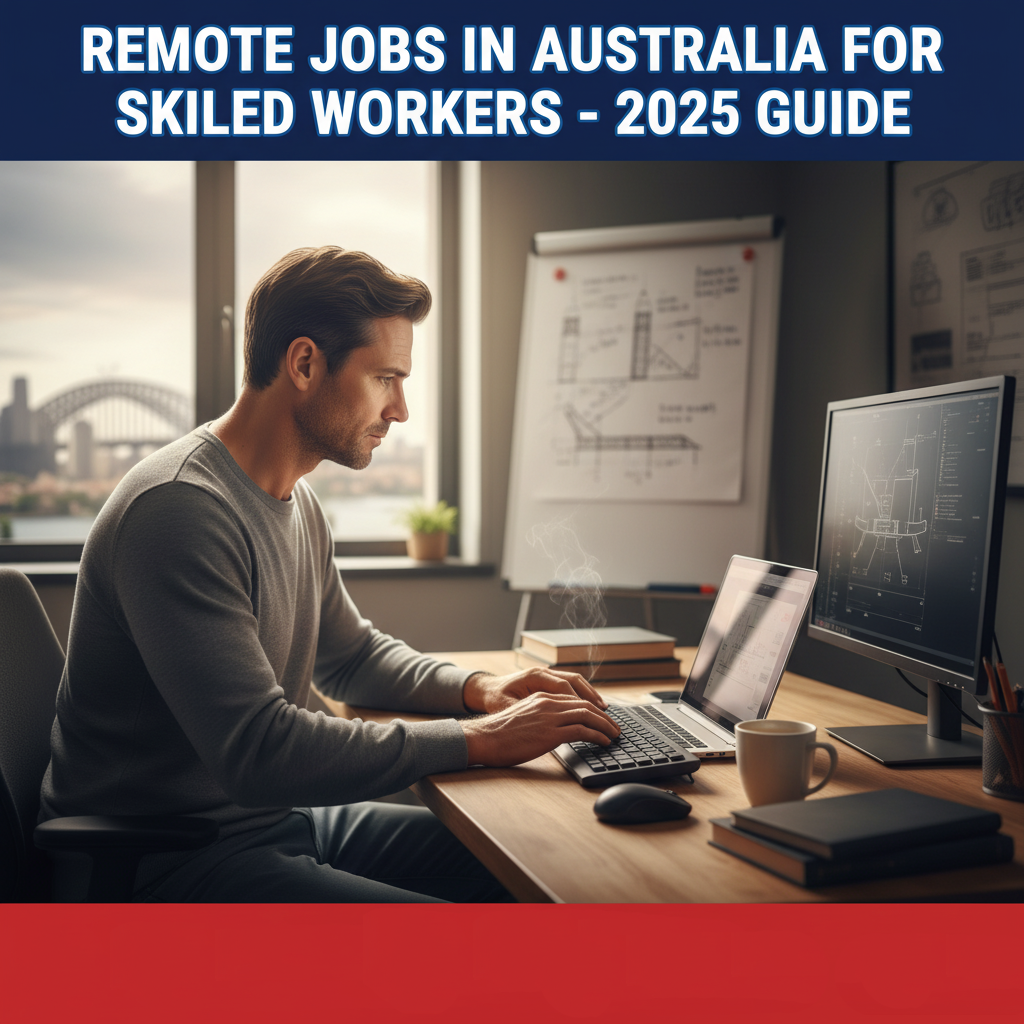
Explore the best remote jobs in Australia for skilled workers including IT roles, flexible work options, and tips for migrants seeking remote careers in 2025.
Introduction
Remote jobs in Australia for skilled workers are growing rapidly in 2025, with 83% of companies planning to hire over 60% of their workforce remotely. This trend opens new opportunities for international workers seeking flexible, location-independent roles. This article guides skilled migrants on the best remote work opportunities Australia offers, including high-demand sectors and visa considerations.
Why Remote Work for Skilled Workers is Booming in Australia
The shift to remote work accelerated during the COVID-19 pandemic and has now become mainstream in Australia. Employers benefit from cost savings, access to a wider talent pool, and increased employee satisfaction. Remote jobs allow skilled workers, including migrants, to contribute from anywhere, overcoming geographical barriers.
Australian businesses are increasingly valuing skills and cultural fit over physical location. This broadens opportunities for skilled migrants who can demonstrate expertise remotely. Popular remote roles include IT jobs, customer service, digital marketing, and project management. For migrants, flexible remote work offers the chance to build careers while balancing settlement and integration in Australia.
Best Remote Work Opportunities and How to Find Them
Remote IT jobs Australia 2025 are especially abundant due to the tech sector’s ongoing digital transformation. Software developers, cybersecurity analysts, data scientists, and cloud engineers are highly sought-after for remote roles. Highly flexible remote work for international workers also includes marketing specialists, virtual assistants, and customer support.
Job seekers can find remote positions through online platforms like Seek, LinkedIn, and specialized remote job boards such as Remote Staff and RemoFirst. Tailoring your résumé to highlight remote work skills like self-discipline, communication, and digital tool proficiency improves hiring chances.
Networking in online professional communities and attending virtual career fairs enhance visibility. Learning current collaboration technologies (e.g., Zoom, Slack) also boosts readiness for remote roles.
Skilled Migration and Remote Work Australia: What Migrants Should Know
Skilled migration and remote work Australia intersect as many remote roles qualify under skilled visa categories. Migrants can apply for visas like the Skilled Independent visa (subclass 189) or Employer Nomination Scheme (subclass 186) while working remotely.
It is essential to ensure visa compliance when working remotely. Some visas require physical presence or sponsorship, while others allow full remote work flexibility. Understanding these nuances helps migrants maximize career options while maintaining lawful status.
Remote work can also serve as a transitional point for international workers building local experience before moving into permanent on-site roles or fuller integration.
Conclusion
Remote jobs in Australia for skilled workers represent a dynamic and expanding field, providing flexibility, access, and growth potential. Skilled migrants who position themselves with relevant skills, embrace digital tools, and understand visa requirements can unlock rewarding remote career pathways in 2025 and beyond.