




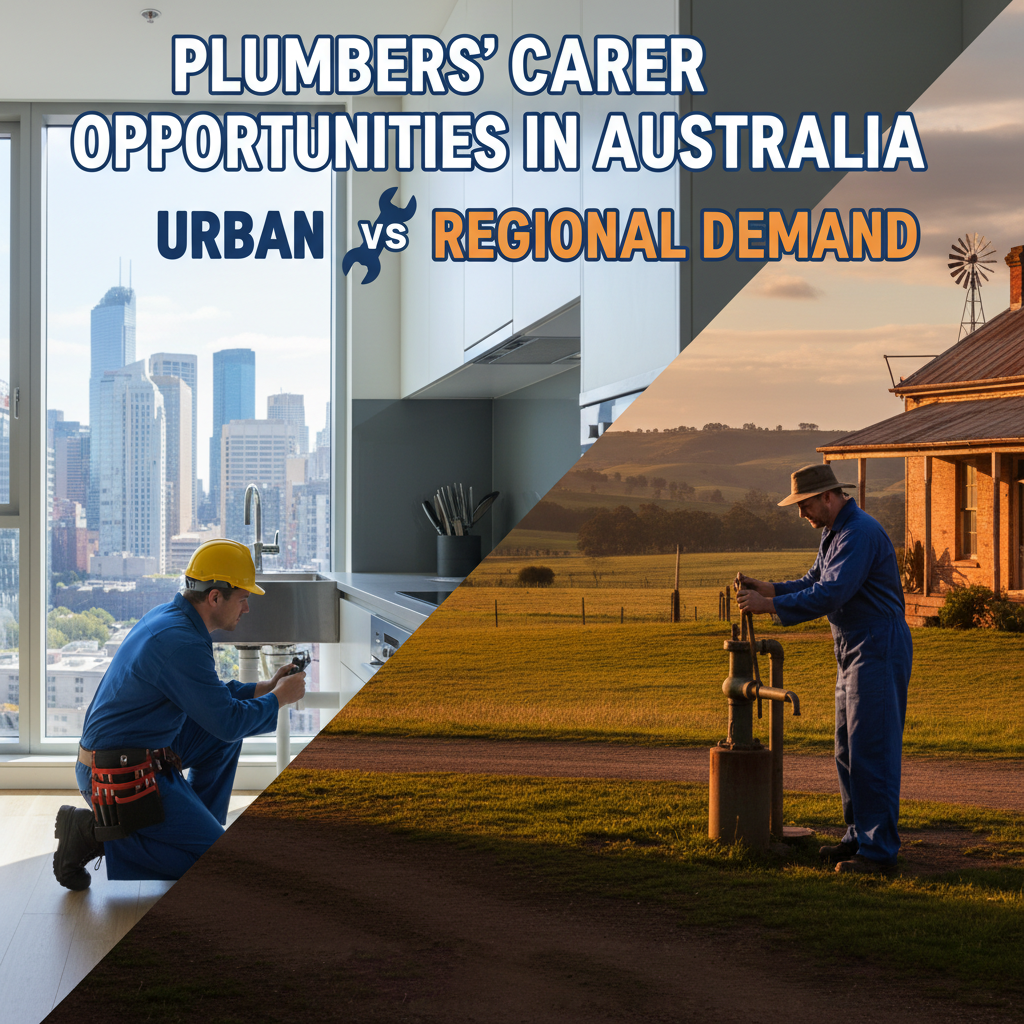
Explore in-depth plumber job opportunities in Australia for 2025. Compare urban and regional demand, earning trends, and migration options.
Introduction
Australia’s infrastructure boom and population growth continue to fuel one of the strongest demands for skilled trades in the developed world. Among these, the plumbing industry is a cornerstone—vital for modern construction, maintenance, public health, and sustainability. Every day, more plumbers are needed across both bustling cities and emerging regional hubs. As the skilled trades shortage deepens, the dichotomy between urban and regional demand for plumbers is reshaping career prospects, salaries, and migration pathways for Australian residents and global migrants alike. This article takes a comprehensive look at “Plumbers’ Career Opportunities in Australia: Urban vs Regional Demand” by examining hiring trends, market drivers, real-world work environments, earning potential, and pathways for skilled migrants in 2025 and beyond.
The Plumbing Trade in Australia: A High-Demand Profession
Plumbing stands as one of Australia’s most secure and versatile trades, consistently ranking among the top shortage occupations nationwide. As of 2025, demand remains robust due to several enduring factors:
- Population Growth: Australia’s population continues its upward trajectory. New homes, apartments, hospitals, and schools all require expansive plumbing systems.
- Infrastructure Investment: Urban and regional construction, from metro tunnels to water treatment plants, is on the rise; every project relies on licensed plumbers at every stage.
- Aging Systems: Much of both urban and rural Australia features infrastructure several decades old, translating into constant demand for repair, retrofitting, and modernization.
- Sustainability Trends: Water-saving fixtures, greywater recycling, solar hot water, and energy-efficient retrofits are now standard, creating new opportunities for those with up-to-date technical skills.
From the installation and upkeep of basic sanitary systems to advanced hydraulic engineering for skyscrapers, the range of plumbing responsibilities ensures constant need for qualified workers. The certainty of work, potential for specialization, and above-average incomes make plumber jobs in Australia 2025 particularly attractive for school-leavers and career-changers alike.
Urban Demand: Growth, Specialisation, and Competitive Salaries
A Construction Boom Like No Other
Australia’s major cities—Sydney, Melbourne, Brisbane, and Perth—are at the epicenter of the latest construction boom, leading the way in both private and government investment. High-density housing, state-of-the-art commercial spaces, urban renewal projects, and smart city technologies drive the need for a large, highly skilled workforce. Urban areas, by virtue of their scale and complexity, often serve as trendsetters in the plumbing industry.
Why Cities Offer Unique Plumber Careers
- Specialisation: In urban centers, plumbers often become specialists—working in commercial fit-outs, medical-grade installations, green technologies, or complex automation systems.
- High Project Turnover: Numerous projects, frequent systems upgrades, and emergency maintenance work mean jobs are rarely monotonous.
- Top Salaries: Salary surveys show urban plumber wages can outpace national averages by a significant margin. In 2025, licensed plumbers in Sydney or Melbourne typically see annual salaries ranging from $85,000 to $120,000 for experienced tradespeople, with specialists and team leaders earning even more.
- Technology Integration: Urban projects increasingly require expertise in digital plumbing, energy efficiency retrofits, and adherence to the latest building codes—boosting demand for upskilled professionals.
Urban Plumbers—Day-to-Day Realities
Urban plumbers are rarely limited to domestic housing. Duties routinely encompass:
- Installing complex water, gas, and drainage networks in multi-storey buildings.
- Maintaining industrial-scale systems for hospitals, factories, and public utilities.
- Responding to high-stakes emergency call-outs, often with short turnarounds and substantial overtime.
- Training and supervising apprentices or running small teams, especially as construction firms compete for skilled leaders in busy city markets.
The competitive, fast-paced nature of city plumbing often means access to the highest paying plumber jobs in Australia, but also demands up-to-the-minute training and adaptability.
Regional Demand: Opportunity, Lifestyle, and Urgent Shortages
Strong Demand, Lower Competition
While Australia’s capital cities dominate headlines, regional areas—from sprawling agricultural towns in New South Wales and Victoria to remote mining communities in Queensland and Western Australia—face their own acute shortages. In fact, many regional employers post job ads for months without qualified applicants, while offering incentives and fast-tracked promotions.
What Regional Employers Offer
- Job Security and Variety: With fewer tradespeople per capita, regional plumbers often enjoy secure, long-term employment. The variety of tasks—from residential installations to large-scale irrigation or mining infrastructure—broadens skillsets.
- Attractive Salaries and Perks: Regional employers are increasingly competitive, offering relocation support, housing assistance, flexible schedules, and sometimes even signing bonuses.
- Community and Lifestyle: Lower living costs, stronger sense of community, and less urban stress attract both experienced tradespeople and newcomers seeking quality of life improvements.
The Regional Advantage
- Leaders Needed: Regionally, experienced plumbers can quickly move into leadership, business ownership, or supervisory roles far sooner than in crowded metro environments.
- Government Incentives: State and federal programs support both local training and skilled migration to fill urgent trade vacancies outside big cities.
Real Work Environment in Regional Australia
The typical day for a regional plumber might include:
- Emergency calls for rural water supply breakdowns or storm damage.
- Routine servicing for local governments, schools, or community centers.
- Installation and repair work for agricultural or mining operations—skills highly sought after due to the unique demands of these industries.
The shortage is so critical in certain areas that some towns facilitate direct connections between international candidates and employers, fast-tracking both permanent placement and residency.
Urban vs Regional: A Detailed Comparison
| Feature/Aspect | Urban Opportunities | Regional Opportunities |
|---|---|---|
|
Typical salary range (2025) |
$85,000–$120,000 (can exceed $140,000 w/ overtime/specialism) |
$75,000–$110,000 (plus potential perks, bonuses) |
|
Skills most in demand |
Specialisations (green plumbing, medical, commercial), digital plumbing, building code compliance |
Generalists (all-around domestic, farm, and commercial work), leadership |
|
Competition for jobs |
High—many applicants for top roles |
Lower—frequent skill shortages, rapid hiring |
|
Promotion/Business ownership prospects |
Slower, competitive |
Faster, with community support |
|
Cost of living |
Higher (offset by higher base salary) |
Lower (plus lifestyle advantages) |
|
Government incentives |
Less common |
More common (relocation, bonuses, temp housing) |
|
Career progression pathways |
Team leader, site supervisor, business owner, technical specialist |
Rapid supervisor promotion, business owner, recognized community leader |
|
Major employers |
Construction companies, government, large maintenance contractors |
Councils, regional developers, resource companies, family businesses |
|
Living environment |
Busy, diverse, fast-paced, networking-rich |
Community-focused, close to nature, balanced |
This comparative table demonstrates that both urban and regional markets offer compelling reasons for career-seeking plumbers in Australia in 2025, but their realities and day-to-day work environments differ substantially.
Earning Trends and Pathways to High Pay
National Averages and Top Earners
Across Australia, average hourly plumber rates now exceed $46.50, with annual full-time salaries for experienced, licensed workers averaging $81,000–$90,000. Those who specialize—especially in commercial, emergency, or green technology plumbing—command rates even higher. In some regions, lead plumbers and small business owners can surpass $120,000–$140,000 annually, particularly when overtime and bonuses are factored in.
Key Factors Influencing Income
Earnings in the plumbing industry depend on multiple factors:
- Experience and Licensing: Fully licensed, senior plumbers earn far more than apprentices or cert III trainees.
- Specialisation: Advanced skills (e.g., gas fitting, backflow prevention, sustainable water systems) drive up hourly rates.
- Location: High cost-of-living regions (CBDs) and under-served regional markets both offer premium pay.
- Type of Work: Commercial and industrial plumbing contracts are worth more than standard domestic work.
- Job Structure: Sole traders/contractors with an established client base earn more, but face higher overheads. Those attached to larger firms or public sector entities enjoy stability, superannuation, and extra benefits.
Pathways for Skilled Migrants: Entering the Australian Plumbing Market
Why Australia Needs Migrant Plumbers
With the pace of construction and maintenance outstripping local training capacity, plumbers are regularly added to Australia’s shortage occupation lists. This ensures diverse migration and work visa routes remain available year after year.
Major Skilled Migration Pathways in 2025
- General Skilled Migration (GSM): Points-tested visas such as subclass 189 and 190 target critical trades including plumbers. State and territory nomination further boosts prospects for regional placement.
- Employer Sponsored Visas: Direct sponsorship by Australian plumbing businesses enables quick relocation for in-demand professionals.
- Regional Visas: Subclasses like 491 and 494 encourage skilled workers to settle in designated regional areas, often with accelerated pathways to permanent residency.
- Recognition of Prior Learning/Skills Assessment: Overseas qualifications must be verified. Migration skills assessments rigorously evaluate trade knowledge and practical competency for Australian licensing.
The Licensing Imperative
All plumbers—regardless of origin—must have their qualifications recognized and pass Australia’s local licensing exams. These vary by state but universally require demonstrated technical proficiency, safety awareness, and understanding of local codes. While this is an extra step, it ensures quality and safeguards public welfare, making qualified migrant plumbers especially attractive in all markets.
Supportive Policies and Incentive Programs
Several states and territories operate regional sponsorship or relocation programs for overseas-trained plumbers, including temporary housing assistance and job-matching services. Additionally, Federal and State skill shortage lists are rapidly updated to keep pace with market need, ensuring ongoing migration pathways and opportunities for newcomers.
Training, Certification, and Career Advancement
Training Pathway for Domestic and International Plumbers
Standard progression for aspiring plumbers in Australia involves:
- Completing a Certificate III in Plumbing (the national entry-level qualification).
- Serving a Four-Year Apprenticeship that blends classroom and on-site learning, most often paid.
- Licensing: Achieving a full trade license grants the right to work unsupervised and command higher wages.
- Ongoing Upskilling: Many opt for Certificate IV or additional short courses, gaining specialist skills in solar hot water, green plumbing, advanced hydraulics, or project management.
For migrants, a skills assessment by Trades Recognition Australia (TRA) or an equivalency evaluation is necessary prior to licensing.
Advancement and Diversification
- Supervisory Roles: After a few years, many plumbers move into team leader, supervisor, or site manager positions.
- Ownership and Entrepreneurship: Opening a plumbing business is a common goal, offering higher earning potential and schedule control.
- Further Specialisation: Areas like fire protection, gas fitting, or green building compliance allow for higher rates and project leadership chances.
Career progression is often faster in regions facing chronic shortages and can be significantly accelerated by proactive training and upskilling.
Future Trends: Digitalisation, Sustainability, and Long-Term Opportunities
How Plumbing is Changing
- Smart Technology: Digital leak detection, remote monitoring, and integration with building information systems are becoming standard.
- Sustainability: Water-efficient fixtures, greywater systems, and solar hot water expertise are not only in demand but mandated by new regulations.
- Aging Infrastructure: Maintenance, retrofits, and compliance checks for older buildings continue fueling year-round job security.
What This Means for Plumbers
Staying abreast of new trends—through ongoing training or specialization—provides a competitive edge in all environments. Plumbers willing to embrace innovation, invest in new skills, and relocate if needed can expect outstanding long-term prospects and above-median earnings.
Lifestyle Considerations: Urban vs Regional Living
Urban Pros and Cons
City-based plumbers enjoy vibrant professional networks, greater client variety, and fast access to the latest industry practices. However, the high pace and rising living costs can dampen take-home pay, and work-life balance may become challenging.
Regional Living Advantages
For those seeking work-life balance, slower paces, and tight-knit communities, regional Australia holds strong appeal. Lower housing costs and the ability to progress rapidly in one’s career are major drawcards. Family life, outdoor recreation, and community involvement are often easier to balance with satisfying, well-compensated work.
Essential Skills for Plumbers in 2025
Regardless of location, successful plumbers in 2025 need more than just manual dexterity:
- Excellent Problem-Solving Abilities
- Up-to-date Knowledge of Codes and Technology
- Effective Communication—crucial for both team leadership and customer service
- Adaptability—especially when working across domestic, commercial, and industrial settings
- Commitment to Ongoing Professional Development
The Outlook: Plumber Jobs in Australia 2025 and Beyond
The “demand for plumbers in Australia” shows no signs of waning in the foreseeable future. Residential construction, infrastructure expansion, sustainability initiatives, and ongoing maintenance of vast public and private assets will keep the industry robust. Both cities and regions offer exceptional career opportunities for new apprentices, trained professionals, and skilled migrants aiming for Australia’s dynamic and respected plumbing trade.
Conclusion
Plumbing in Australia is not merely a job—it’s a passport to stability, upward mobility, and true professional respect. In 2025, opportunities abound in both urban hubs and regional centers, with the balance of salary, lifestyle, and advancement potential available for those willing to train, upskill, and sometimes relocate. Whether aiming for the highest paying plumber jobs in Australia, seeking rapid promotion, or desiring a meaningful life in a regional town, the Australian plumbing industry has the right pathway for every skilled, motivated worker. Now more than ever, committed tradespeople are the backbone of Australia’s growth and sustainability.