




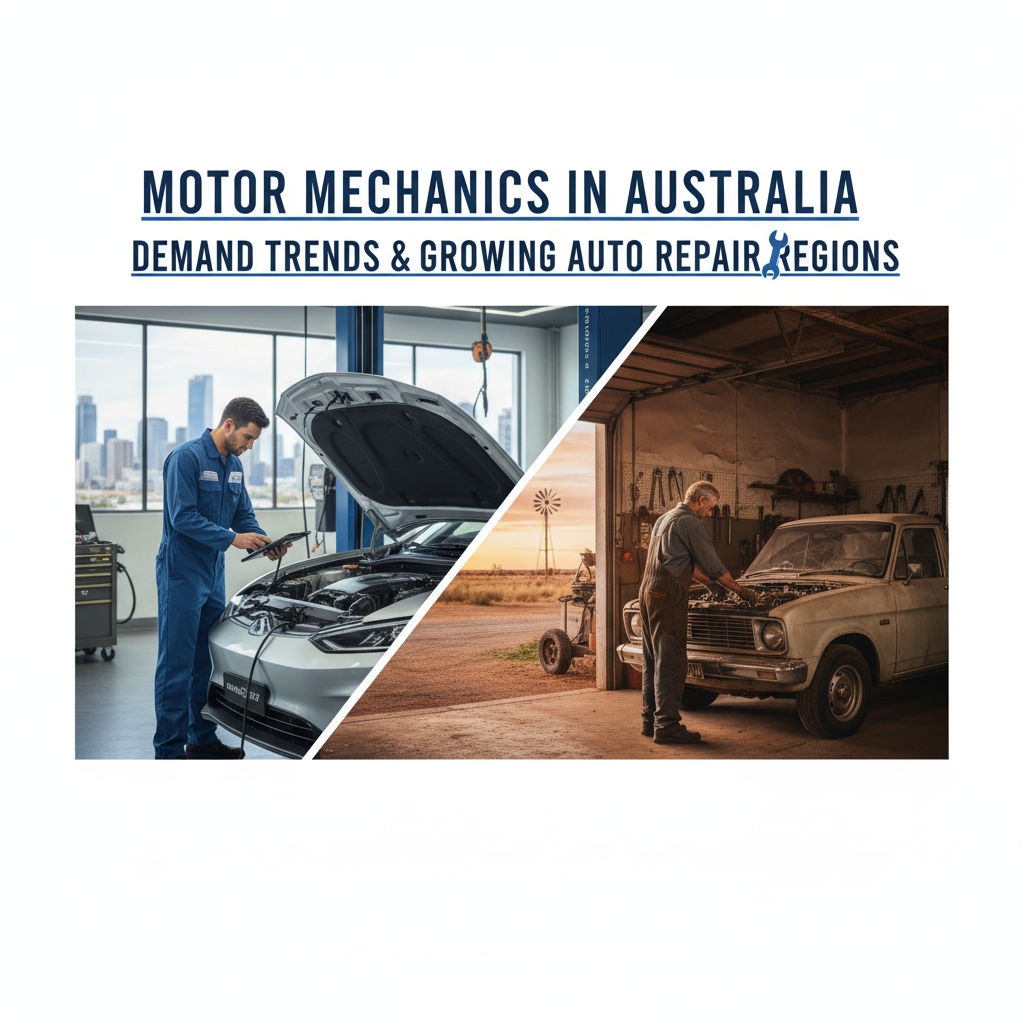
Explore the latest demand for motor mechanics in Australia, highest paying jobs, regional trends, and skilled migration pathways for 2025.
Introduction
Australia faces an automotive workforce shortage, with over 40,000 mechanic positions unfilled—a trend set to continue through 2025. Modern vehicles, electric cars, and rapid regional growth drive strong demand for skilled motor mechanics nationwide. This article examines market trends, pay scales, and regional hotspots for auto repair opportunities, including pathways for migrants.
Rising Demand and Changing Skills: The Motor Mechanic’s Evolution
The motor mechanic trade in Australia has transformed, propelled by evolving technology and soaring vehicle numbers. The rise of electric vehicles (EVs), hybrid systems, and complex automotive electronics means employers need mechanics with specialised skills—from battery diagnostics and charging systems to advanced driver-assistance and digital coding.
Traditional repair remains critical, but the most in-demand professionals now have training in modern systems—especially in regions embracing EVs and autonomous technology. Market reports reveal up to 85% of workshops struggle to fill technical roles, with waiting lists for repairs growing by 40% and positions sometimes vacant for six months. This has made the mechanic’s role one of Australia’s highest-growth tech careers, especially for those upskilling and training in new automotive fields.
Regional Hotspots for Motor Mechanic Jobs
While cities like Sydney, Melbourne, and Perth continue to offer lucrative auto repair careers, regional Australia is emerging as an auto service epicentre. According to recent projections, Victoria alone is set to add 7,483 new motor mechanic jobs by 2034, with strong growth in Ballarat, Bendigo, Geelong, Gippsland, and Mildura. Larger regional towns are experiencing a faster rise in demand than city centers, partly due to aging vehicles, fewer skilled workers, and the boom in local economies.
Rural and regional employers attract candidates by offering competitive salaries (from $75K to $110K), relocation incentives, housing support, and accelerated seniority. Regional roles often cover a wider range of tasks—agriculture, mining fleets, community transport—which fosters broad skill development and greater autonomy.
Salaries, Career Progression & Employer Trends
Australian motor mechanics are among the best compensated in the trades, with annual salaries typically ranging from $73,000 up to $120,000 for experienced or specialised technicians. Lead mechanics and those with advanced EV or diagnostic skills command the highest pay, with additional bonuses, benefits, and continuing education packages now common in top workshops.
Market surveys show 47% of workshops are actively hiring, with some recruiting from overseas and offering sign-on bonuses or sponsorships. Career progression is robust: after certification and apprenticeship, mechanics can advance to diagnostic technician, workshop supervisor, or vehicle inspector roles. The push for new technology also opens doors for career changers (IT professionals, engineers) to transition into advanced repair roles with on-the-job mentorship and hybrid training programs.
Skilled Migration Pathways and Workforce Shortages
Australia’s critical shortage of skilled mechanics has placed “motor mechanic” on the shortage occupation and skilled migration lists. Talent agencies and automotive industry bodies report ongoing demand and streamlined migration processes for qualified auto repair workers—from temporary sponsored visas to permanent residency pathways.
Migrant mechanics undergo skills assessment (typically by Trades Recognition Australia or VETASSESS) to verify qualifications and professional experience. Successful candidates access high-demand jobs in both urban centers and rural towns, with flexible sponsorship and relocation support. Government programs continue to update regional skill lists, ensuring migrants find sustainable employment and valuable long-term careers in auto repair.
Technology, Training and Certification: The Future of Motor Mechanics
Mechanical training pathways include Certificate III in Light Vehicle Mechanical Technology, EV safety certification, and manufacturer-specific digital systems training. Lifelong learning is the norm as workshops shift toward smart diagnostic platforms, augmented reality repair guides, and over-the-air vehicle updates. Mechanics with ADAS (driver-assistance system) or cybersecurity skills are increasingly sought after, with future roles predicted to focus on sustainability and technological innovation.
Conclusion
For 2025 and beyond, motor mechanic jobs in Australia continue to offer excellent salaries, rapid career progression, and migration opportunities—especially for those embracing advanced automotive technologies and seeking work in growing regional centers. Now is the time for skilled professionals and newcomers to explore auto repair careers as Australia modernises its fleets and expands its vehicle service networks.