




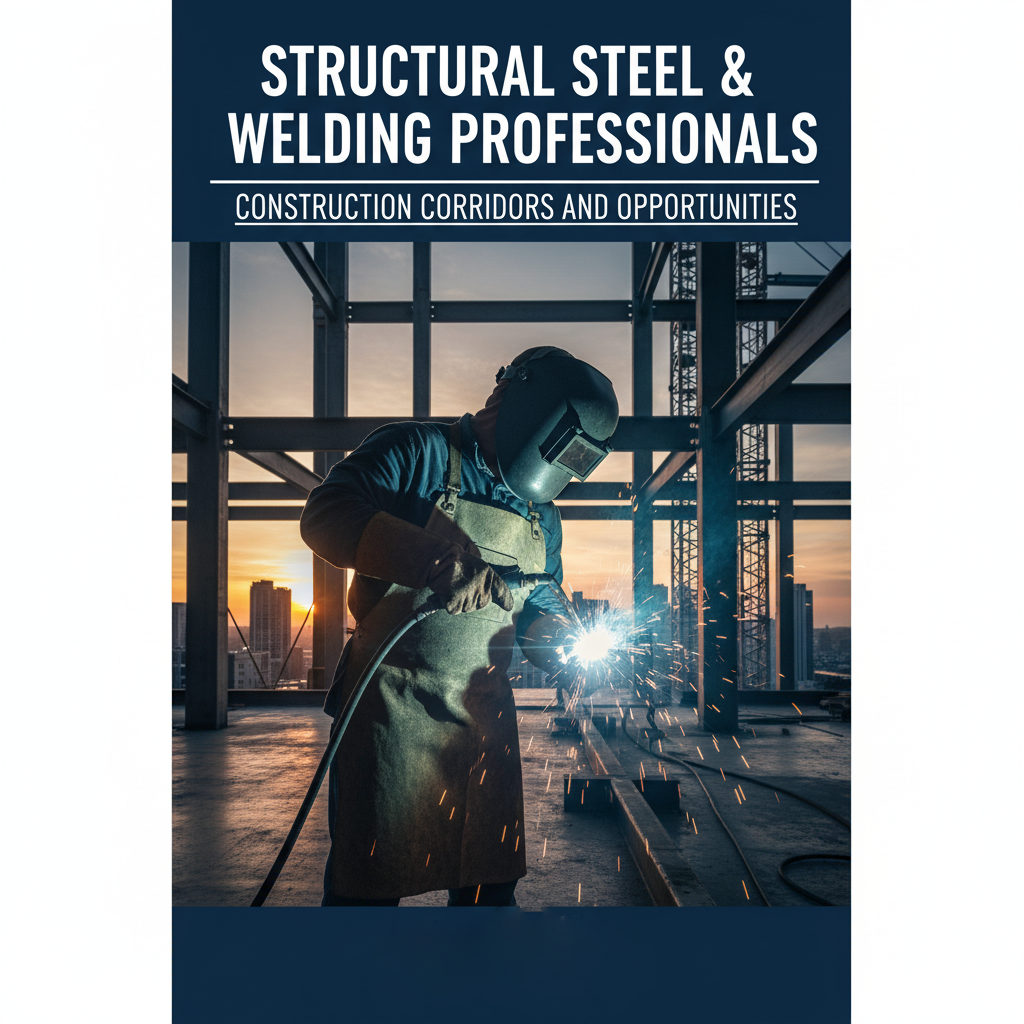
Explore rising demand, high-paying jobs, migration pathways, and regional growth areas for structural steel and welding professionals in Australia 2025.
Introduction
Structural steel and welding professionals have become the backbone of Australia’s rapidly growing construction sector. As massive infrastructure projects roll out across metropolitan and regional corridors, the call for skilled tradespeople in structural steel fabrication and welding intensifies. In 2025, employment opportunities for these professionals are not only expanding in number but also evolving in complexity and skill requirements. This article comprehensively explores the demand trends, lucrative career paths, skilled migration channels, and regional hotspots shaping the future of structural steel and welding jobs in Australia.
Growing Demand for Structural Steel and Welding Professionals in Australia
Australia is witnessing one of the most significant infrastructure expansions in decades, prompted by government investment in urban renewal, transport networks, renewable energy projects, and resource development. Structural steel provides a critical framework for modern construction, ranging from commercial high-rises and bridges to industrial plants and mines. Welding professionals ensure the integrity, safety, and longevity of these structures by expertly joining metal components through various advanced techniques.
The demand for structural steel jobs in Australia 2025 is climbing steadily. Industry reports indicate a scarcity of qualified steelworkers and welders nationwide, exacerbated by a retiring workforce and insufficient new entrants. The shortage of structural steel workers Australia-wide poses a significant challenge for project timelines and quality standards.
Additionally, welding skills are highly transferable, leading to opportunities in manufacturing, shipbuilding, and resource extraction sectors besides construction. Australian regions with active mining and energy projects particularly require welders adept at specialized techniques such as pipeline welding and pressure vessel fabrication.
Employment Trends and Salary Insights
Professional welders and steelworkers in Australia benefit from competitive remuneration driven by demand and technical expertise. Entry-level structural steel workers and welders can expect starting wages around AUD 50,000 to 60,000 per year. With experience, these salaries rise significantly, often reaching AUD 75,000 to 90,000. Those working in specialist welding fields—including submerged arc welding, TIG, or pipe welding—frequently earn upwards of AUD 100,000.
Highest paying welding jobs in Australia tend to be in high-risk sectors such as offshore oil and gas, heavy engineering, and large infrastructure projects requiring certifications beyond basic qualifications. Positions requiring advanced welding certifications or supervisory skills attract premium pay, reflecting their responsibility and expertise.
The construction industry jobs Australia offering structural steel and welding roles span fabrication, inspection, maintenance, and leadership. Experienced professionals may progress to site supervisors, quality assurance inspectors, or project managers, where annual earnings can exceed AUD 110,000 to 130,000.
Regional Construction Corridors: Opportunities Beyond Major Cities
While urban areas like Sydney, Melbourne, and Brisbane remain hubs for large-scale construction activity, significant employment growth is occurring in regional construction corridors. Regional demand for welders and steel workers Australia across Victoria’s Ballarat, Bendigo, Geelong, Gippsland, and parts of Queensland and Western Australia is rising sharply.
Several factors drive this regional demand:
- Expanding mining and resources industries requiring onsite welding and steel fabrication.
- Development of transport and logistic infrastructure to support regional economies.
- Growth of renewable energy projects such as wind farms requiring structural steel erection and welding expertise.
These regional centers typically offer attractive incentives to lure skilled tradespeople—including relocation allowances, housing support, and faster paths to senior roles. More varied roles and closer-knit working environments give regional welders and steelworkers broader hands-on experience compared to metropolitan counterparts.
Essential Skills, Certifications, and Training
Competency in welding and structural steelwork relies heavily on formal training and relevant certifications. Most Australian professionals hold a Certificate III or IV in Engineering Fabrication or Welding Technology.
Certification from recognized bodies such as the Australian Welding Institute greatly enhances career prospects. Specialized certifications in pipe welding, pressure vessel welding, and underwater welding boost employability and earning potential.
Employers now emphasize not only welding technique but also proficiency in digital technologies—automated welding systems, computer-aided design (CAD), and nondestructive testing methods are integral to today’s practice.
Soft skills such as teamwork, communication, and safety adherence parallel technical skills in importance due to the collaborative and strict safety nature of construction sites.
Skilled Migration Pathways for Structural Steel and Welding Professionals
Australia’s chronic shortage of steelworkers and welders has prompted streamlined migration routes, actively welcoming skilled overseas professionals. The inclusion of these occupations on key skilled occupation lists enables eligibility for several visa categories: skilled independent visas, employer-sponsored visas, and regional migration programs.
Migrants must typically pass skills assessments verifying qualification equivalency and professional experience. These assessments maintain standards while facilitating global talent entry.
Welding jobs for migrants Australia offer an appealing entry, especially as regional areas actively recruit qualified workers with relocation assistance. Skilled migration pathways for structural steel and welding professionals not only mitigate domestic shortages but also enrich Australia’s trade expertise pool.
Future Outlook: Innovation, Sustainability, and Job Stability
The welding and steel fabrication sectors in Australia are adapting to technological innovation and evolving construction demands. Automation and robotic welding systems are becoming prevalent in fabrication plants, changing the skill mix required onsite.
Sustainability factors increasingly influence materials choice and construction processes. Green steel initiatives and eco-friendly welding methods are emerging trends requiring continual upskilling.
The construction pipeline for Australia’s infrastructure, transport, energy, and resources sectors offers structural steel and welding professionals long-term employment security, with ample room for specialization and advancement.
Conclusion
Structural steel and welding professionals are critical contributors to Australia’s vibrant and growing construction corridors. The rising demand, competitive salaries, and clear skilled migration pathways make 2025 an opportune year for aspiring and experienced tradespeople. Regional Australia presents particularly compelling career opportunities due to incentives, diversified roles, and faster progression. Embracing continuous learning, certification, and technology adoption ensures professionals thrive within the evolving landscape of the Australian construction industry.