




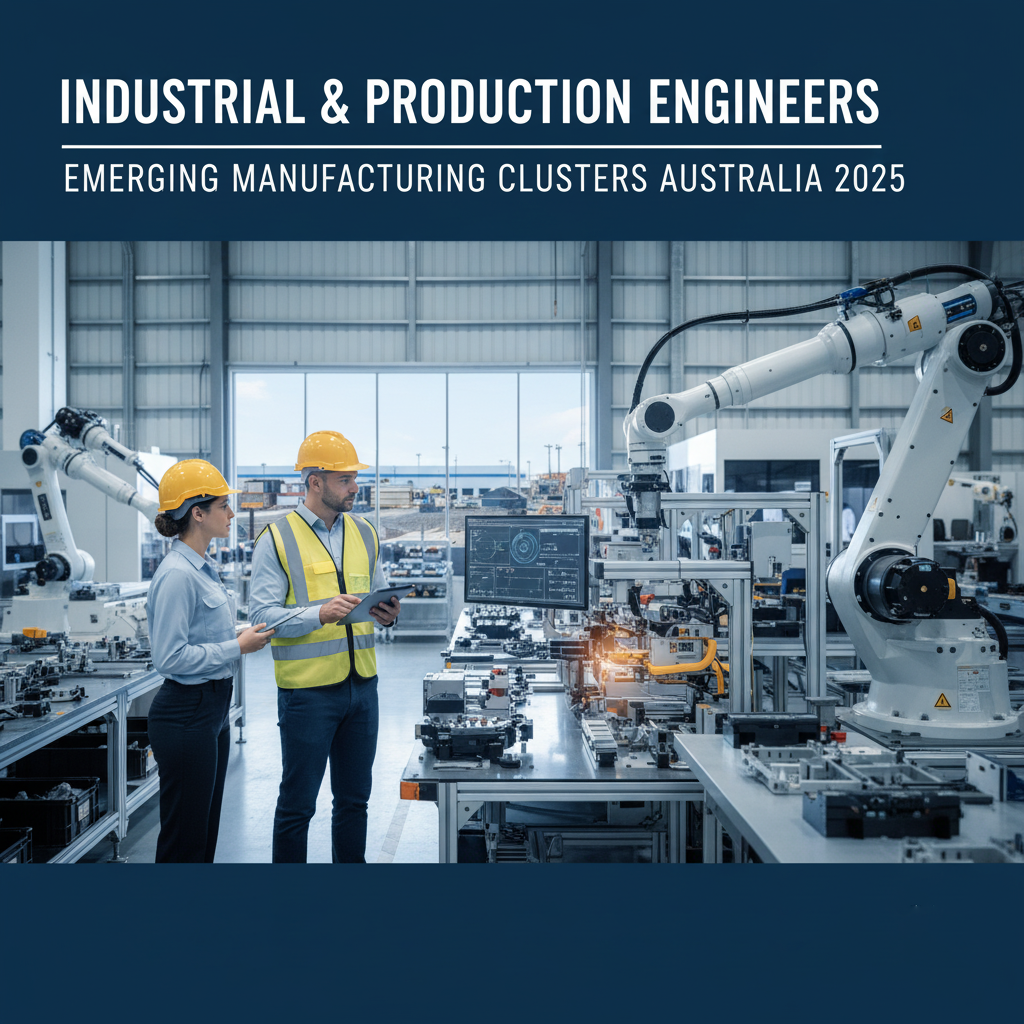
Explore demand, career opportunities, and skilled migration pathways for industrial and production engineers in Australia’s emerging manufacturing clusters.
Introduction
Australia’s industrial and production engineering sector is growing rapidly, driven by emerging manufacturing clusters and technological innovation. This article explores the challenges immigrants face, solutions through skilled migration pathways, and how to tap into rewarding engineering careers in Australia in 2025.
The Problem Immigrants Face: Entering Australia’s Competitive Industrial Engineering Market
Industrial and production engineering jobs in Australia are increasingly competitive, with industries evolving rapidly due to automation and sustainability demands. Immigrants often struggle with barriers such as recognition of overseas qualifications, complex visa requirements, and the need to adapt to advanced manufacturing technologies.
The shortage of industrial engineers in Australia is well-documented, yet meeting this demand requires highly skilled professionals fluent in modern engineering practices and digital tools. Many immigrants face challenges obtaining positive skills assessments and securing relevant work experience that aligns with Australian industry standards.
Regional demand for production engineers amplifies these issues, as regional manufacturing hubs require engineers who can manage production efficiency and sustainability transitions but without easy access to local qualified talent. Combined with the fast pace of technological change in manufacturing, these factors create hurdles for immigrants aiming to enter Australia’s industrial engineering workforce.
The Solution: Skilled Migration Pathways and Industry Training
Australia prioritizes industrial and production engineers on its Medium and Long-Term Strategic Skills List, opening multiple skilled migration pathways for eligible professionals. Key visa programs include:
- Skilled Independent Visa (Subclass 189)
- Skilled Nominated Visa (Subclass 190)
- Regional Sponsored Migration Scheme (Subclass 491)
- Temporary Graduate Visa (Subclass 485)
- Employer Sponsored Visas (Subclass 186 and 482)
A positive skills assessment from Engineers Australia is essential. This process validates overseas qualifications, assesses work experience, and ensures candidates meet Australian competency standards in key areas such as lean manufacturing, process optimization, and quality control.
Additional training tailored to evolving manufacturing trends—such as automation, Industry 4.0 technologies, and sustainable production—is highly recommended to boost employability and meet industry demands.
Government initiatives like the Modern Manufacturing Strategy inject funding to support innovation clusters and sustainable manufacturing, expanding job prospects for industrial engineers. Targeted regional programs facilitate migration sponsorships to address localized engineer shortages, creating pathways for migrants to thrive outside metropolitan areas.
Emerging Manufacturing Clusters Fueling Demand
Australia’s emerging manufacturing clusters are concentrated in regions emphasizing advanced technologies and sustainability. These include:
- Victoria’s automotive and pharmaceutical production sectors
- New South Wales’ food processing and aerospace clusters
- Queensland’s renewable energy manufacturing hubs
- South Australia’s defence and advanced materials industries
These clusters drive demand for industrial engineers who can design efficient, sustainable production systems that incorporate AI, robotics, and data analytics. The government’s strong focus on reducing carbon emissions by 2050 also calls for engineers capable of integrating circular economy principles and clean technologies.
Regional clusters benefit from government support to decentralize manufacturing growth, offering skilled migration incentives to attract production engineers. Engineers working in these clusters enjoy exposure to cutting-edge projects and opportunities to influence Australia’s manufacturing future.
Career Opportunities and Highest Paying Roles
Industrial and production engineers in Australia enjoy diverse career opportunities across manufacturing, mining, energy, and logistics. Roles often focus on process optimization, quality assurance, supply chain integration, and technology deployment.
Highest paying positions are typically in sectors leading technology adoption, such as automation engineering, sustainability management, and digital transformation projects within large manufacturing firms. Salaries for experienced industrial engineers range between AUD 90,000 to 125,000 annually, with bonuses and regional incentives further enhancing total compensation.
Migration-qualified engineers can advance from operational roles to strategic positions involving project management, innovation leadership, or consultancy, amplifying career growth prospects.
Action Steps to Get Started
To enter Australia’s industrial and production engineering workforce in 2025:
- Secure Qualifications: Obtain or validate an accredited engineering degree recognized by Engineers Australia.
- Complete Skills Assessment: Apply for a positive assessment through the Engineers Australia competency framework.
- Gain Relevant Experience: Accumulate practical work experience in production systems, lean processes, or digital manufacturing technologies.
- Choose the Right Visa: Explore skilled independent, state-nominated, or regional visas aligning with your profile and location preferences.
- Stay Current with Industry Trends: Engage in training programs covering Industry 4.0, sustainability, and automation developments.
- Pursue Regional Opportunities: Consider regional manufacturing clusters for better job prospects and migration incentives.
Following these steps enhances the chances of successful migration and career integration in Australia’s booming industrial engineering sector.
Conclusion
Emerging manufacturing clusters across Australia are fueling high demand for industrial and production engineers in 2025. Despite challenges immigrants face, skilled migration pathways, supportive government initiatives, and proactive professional development offer clear solutions. Industrial engineering presents a promising career with excellent prospects for those willing to adapt and grow in Australia’s evolving manufacturing landscape.