




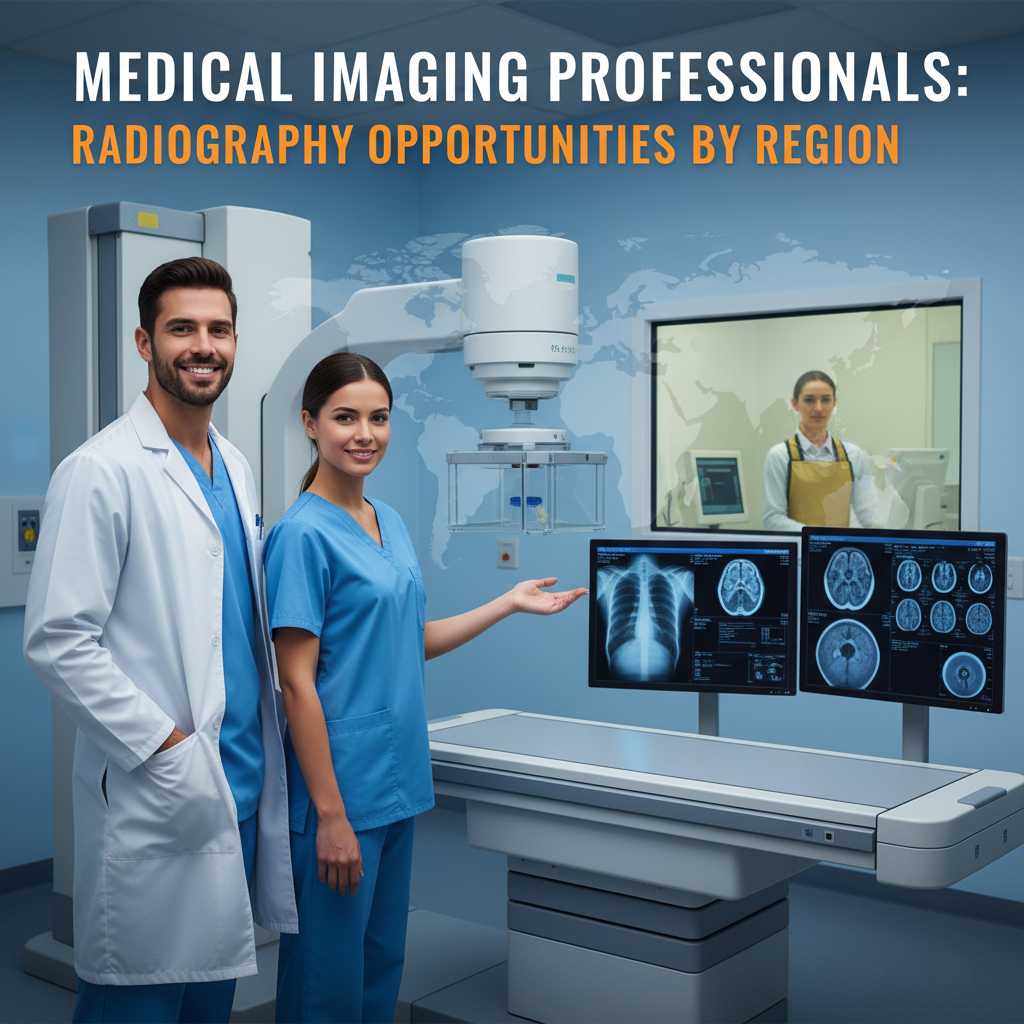
Explore radiography jobs and medical imaging careers across regions. Learn about demand, skills, and immigration pathways for radiologic technologists.
Introduction
The global healthcare industry relies heavily on medical imaging professionals, with radiography jobs projected to grow by 6% annually through 2030, according to the Bureau of Labor Statistics. As diagnostic imaging becomes critical for patient care, regions worldwide are seeking skilled radiologic technologists, radiology technicians, and MRI technologists. This article dives into the opportunities for medical imaging professionals, highlighting regional healthcare jobs, required skills, and immigration pathways for those looking to build a rewarding radiology career path.
The Growing Demand for Medical Imaging Professionals
Medical imaging is a cornerstone of modern healthcare, enabling accurate diagnoses through technologies like X-rays, ultrasounds, and MRIs. Radiography jobs are in high demand across various regions, driven by aging populations and advancements in healthcare diagnostics. In developed nations like Australia, Canada, and the UK, hospitals and clinics actively recruit radiologic technologists to meet rising patient needs.
In Australia, for instance, the Department of Health reports a shortage of radiology technicians in regional areas, creating opportunities for skilled professionals. Similarly, the U.S. and Canada face growing demand for ultrasound technicians and MRI technologists, particularly in underserved rural regions. These regional radiology roles often come with incentives like relocation bonuses or visa sponsorship for qualified immigrants.
The expansion of hospital imaging jobs also reflects technological advancements. New imaging technologies require professionals with updated medical imaging skills, making continuous training essential. As healthcare systems invest in diagnostic imaging infrastructure, the demand for medical imaging careers continues to surge, offering stable and rewarding opportunities globally.
Regional Opportunities for Radiography Professionals
Radiography opportunities vary by region, shaped by local healthcare needs and infrastructure. In Australia, regional healthcare jobs in states like Queensland and Western Australia are abundant due to rural hospital expansions. Radiologic technologists in these areas often perform X-rays and CT scans, with employers valuing radiography certification from recognized bodies like the Australian Society of Medical Imaging and Radiation Therapy (ASMIRT).
In the U.S., states like Texas and Florida report high demand for imaging technology jobs, particularly for ultrasound technicians in outpatient clinics. Rural areas offer unique opportunities, as smaller facilities seek versatile professionals trained in multiple imaging modalities. Canada’s healthcare system, especially in provinces like Ontario and Alberta, prioritizes MRI technologists and X-ray technologists to address wait times for diagnostic imaging.
Europe, particularly the UK, also faces a shortage of radiology technicians, with the NHS actively recruiting for hospital imaging jobs. Developing regions, such as parts of Southeast Asia and the Middle East, are investing in healthcare infrastructure, creating demand for medical imaging training and expertise. These regional differences highlight the global need for skilled professionals and the diverse opportunities available.
Skills and Qualifications for a Radiology Career Path
Entering the field of medical imaging requires specialized training and certifications. Most radiography jobs demand a degree or diploma in medical imaging or radiography, typically a 2–4-year program. In Australia, a Bachelor of Medical Imaging or equivalent is standard, while in the U.S., an Associate’s Degree in Radiologic Technology is common. Certifications, such as those from the American Registry of Radiologic Technologists (ARRT) or ASMIRT, are often mandatory.
Professionals must master specific modalities, such as X-ray, ultrasound, or MRI, and stay updated on imaging technology advancements. Soft skills, like communication and patient care, are equally critical, as radiologic technologists interact closely with patients during diagnostic procedures. Medical imaging training programs emphasize both technical proficiency and patient empathy.
For immigrants, obtaining local licensure is key. For example, Canada requires certification from the Canadian Association of Medical Radiation Technologists (CAMRT) for most regional radiology roles. Gaining experience through internships or volunteer work in hospitals can enhance employability, particularly in competitive markets. Continuous learning ensures professionals remain relevant in this rapidly evolving field.
Immigration Pathways for Medical Imaging Professionals
The global demand for medical imaging professionals makes this field attractive for skilled immigrants. Many countries list radiologic technologists and radiology technicians on their skilled occupation lists, facilitating immigration. In Australia, the Subclass 482 (Temporary Skill Shortage) and Subclass 186 (Employer Nomination Scheme) visas target healthcare radiography professionals, especially in regional areas. Candidates need relevant qualifications, work experience, and English proficiency.
Canada’s Express Entry system prioritizes medical imaging careers, with provinces like British Columbia offering Provincial Nominee Programs (PNPs) for radiology technicians. In the UK, the Health and Care Worker Visa supports hospital imaging jobs, requiring sponsorship from an NHS employer. The U.S. offers the H-1B visa for specialized roles like MRI technologists, though competition is high.
To succeed, immigrants should research regional healthcare jobs and align their credentials with local standards. For example, obtaining ARRT certification can boost prospects in the U.S., while ASMIRT recognition is critical in Australia. Networking with healthcare recruiters and exploring job boards like SEEK or Indeed can help secure opportunities in this high-demand field.
Conclusion
Medical imaging professionals, from radiologic technologists to ultrasound technicians, are vital to global healthcare systems. With growing demand for radiography jobs across regions, opportunities abound for skilled professionals. By earning certifications, honing medical imaging skills, and exploring immigration pathways, aspiring professionals can build a fulfilling radiology career path. Start by researching regional radiology roles or contacting local licensing bodies to take the first step toward a rewarding career in healthcare diagnostics.