



Explore cloud computing careers in AWS, Azure, and GCP. Learn which platform to specialize in, key roles, certifications, and why they matter for your career path.
Introduction
The cloud computing industry is booming, with global spending projected to reach $1.3 trillion by 2028 (Statista). As businesses shift to the cloud, demand for skilled professionals in AWS, Azure, and GCP surges. Choosing a specialization in cloud computing can shape your career path, from high-paying roles like cloud architect to innovative fields like machine learning. This article explores AWS, Azure, and GCP, helping you decide what to specialize in and why, based on market trends, job roles, and certifications.
Why Cloud Computing Careers Are in High Demand
Cloud computing powers modern businesses, from startups to enterprises, driving the need for skilled professionals. The cloud job market is thriving, with roles like cloud engineer and DevOps specialist seeing rapid growth. According to LinkedIn, cloud-related jobs grew by 20% annually from 2020 to 2025. Companies rely on cloud infrastructure for scalability, cost-efficiency, and innovation, creating opportunities across industries like finance, healthcare, and tech.
AWS dominates with a 32% market share, followed by Azure at 23% and GCP at 10% (Synergy Research, 2025). Each platform offers unique strengths, making specialization a strategic choice. Whether you aim for a cloud developer role or a cloud security expert position, understanding these platforms’ ecosystems is key to unlocking high cloud computing salaries and career growth.
AWS: The Market Leader for Broad Opportunities
Amazon Web Services (AWS) is the largest cloud platform, offering over 200 services, from computing power to machine learning. Its dominance makes AWS certification a top choice for cloud careers. Roles like AWS cloud architect and solutions architect are highly sought after, with salaries often exceeding $120,000 annually (Glassdoor, 2025).
AWS is ideal for those seeking versatility. Its extensive service offerings, like EC2 for computing and S3 for storage, cater to diverse industries. AWS certifications, such as the AWS Certified Solutions Architect, validate skills in designing scalable systems. For beginners, the AWS Cloud Practitioner certification offers a solid foundation. If you want broad marketability and access to a wide range of cloud infrastructure projects, AWS is a strong choice due to its widespread adoption and robust community support.
Azure: The Enterprise-Friendly Choice
Microsoft Azure excels in enterprise environments, integrating seamlessly with Microsoft products like Office 365 and Active Directory. Its hybrid cloud capabilities make it a favorite for businesses blending on-premises and cloud solutions. Azure’s market share growth reflects its appeal, particularly in industries like retail and manufacturing.
Specializing in Azure suits professionals interested in roles like Azure cloud engineer or data specialist. Azure certifications, such as the Microsoft Certified: Azure Administrator Associate, focus on managing cloud services and security. With salaries averaging $110,000 for certified professionals (PayScale, 2025), Azure offers strong earning potential. Choose Azure if you thrive in enterprise settings or want to leverage Microsoft’s ecosystem for cloud data management and analytics.
GCP: The Innovator’s Platform for AI and Data
Google Cloud Platform (GCP) is known for cutting-edge technologies in machine learning and big data. Its tools, like BigQuery and TensorFlow, attract companies focused on analytics and AI-driven innovation. GCP’s smaller market share doesn’t diminish its appeal for specialized roles like machine learning cloud engineer or data scientist.
GCP certifications, such as the Professional Cloud Architect, emphasize designing efficient, scalable systems. Salaries for GCP-certified professionals often range from $115,000 to $150,000 (Indeed, 2025). GCP is ideal for those passionate about AI, data analytics, or working with innovative startups. Its focus on multi-cloud strategies also makes it a great choice for future-proofing your cloud career path.
Key Roles and Skills in Cloud Computing
Cloud careers span various roles, each requiring specific skills. Cloud architects design scalable systems, earning up to $140,000 annually. Cloud engineers implement and manage infrastructure, while DevOps professionals streamline development and operations. Cloud security specialists, critical for protecting data, command salaries around $130,000.
Essential cloud skills include proficiency in cloud infrastructure, automation tools like Terraform, and containerization with Docker or Kubernetes. Cloud computing trends highlight the rise of hybrid and multi-cloud strategies, requiring versatility across platforms. Certifications like AWS Certified DevOps Engineer or Azure Data Engineer Associate boost employability by validating expertise in high-demand areas.
How to Choose Your Cloud Specialization
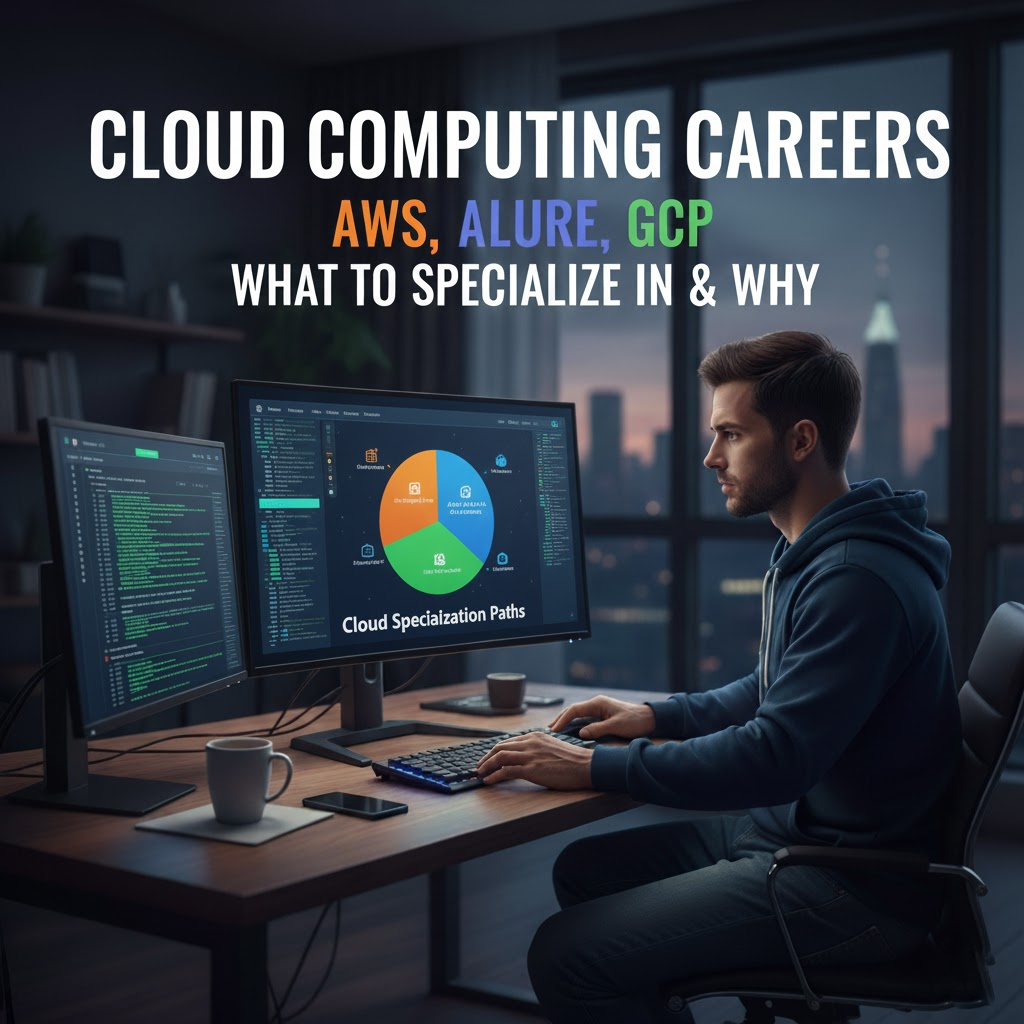
Choosing between AWS, Azure, and GCP depends on your career goals and interests. AWS suits those seeking broad opportunities and marketability. Azure is ideal for enterprise-focused professionals or those familiar with Microsoft tools. GCP appeals to innovators in AI and data analytics. Research the cloud job market in your region—AWS dominates globally, but Azure may lead in enterprise-heavy areas.
Consider your background. Developers may prefer AWS or GCP for their robust APIs, while IT admins might lean toward Azure. Evaluate certification costs and time commitment; AWS and Azure offer entry-level certifications under $150, while GCP’s are slightly pricier. Ultimately, align your choice with industry demand and personal passion to maximize your cloud computing career potential.
Conclusion
Cloud computing careers offer lucrative opportunities in a rapidly growing field. AWS, Azure, and GCP each provide unique strengths, from broad marketability to enterprise integration and AI innovation. By earning relevant cloud certifications and honing in-demand skills, you can build a rewarding cloud career path. Research your options, assess your interests, and start with a certification that aligns with your goals to thrive in the dynamic cloud job market.