




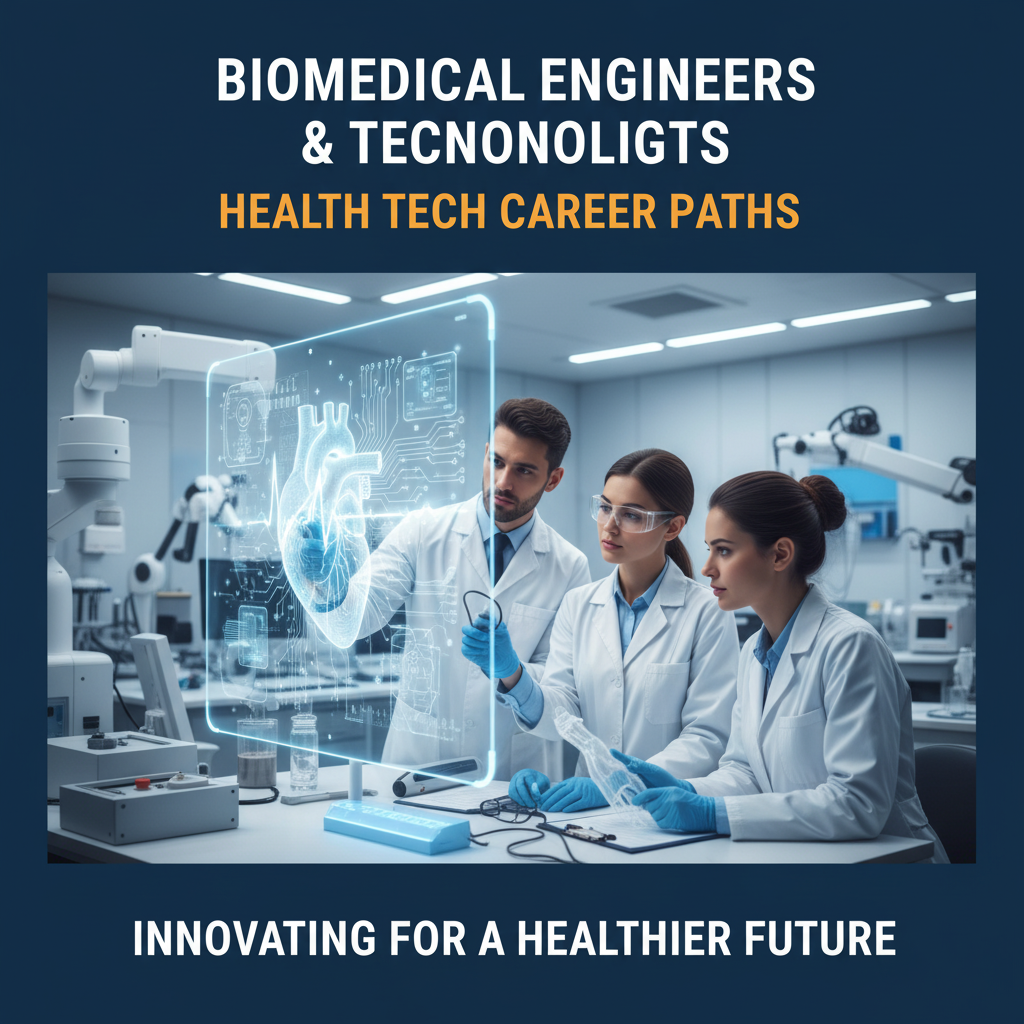
Discover health tech career paths for biomedical engineers in Australia, from medical devices to AI, and learn visa options for skilled immigrants.
Introduction
Australia’s health technology sector is booming, with a projected market growth of 7.8% annually through 2030. Biomedical engineers and technologists are driving this innovation, developing medical devices, wearable health tech, and healthcare AI solutions. As the demand for advanced healthcare systems grows, these professionals are highly sought after. This article explores the dynamic career paths in biomedical engineering, the skills needed, and how skilled immigrants can join Australia’s thriving health tech industry through targeted visa pathways.
The Role of Biomedical Engineers and Technologists
Biomedical engineers and technologists design and maintain cutting-edge healthcare solutions. They develop medical devices like pacemakers, prosthetics, and diagnostic equipment, ensuring they meet clinical standards. These professionals also work on medical imaging systems, wearable health tech, and medical robotics, improving patient outcomes. In Australia, they collaborate with hospitals, research institutions, and tech firms to advance healthcare innovation. Their expertise in biomechanics and tissue engineering supports the growing demand for personalized medicine, making them critical to the healthcare systems of the future.
Australia’s Health Tech Industry Growth
Australia’s health tech sector is expanding rapidly, driven by investments in telemedicine, healthcare AI, and biotechnology. The country aims to lead in digital health, with initiatives like the Australian Digital Health Agency promoting interoperable healthcare systems. Biomedical engineers contribute to projects like smart prosthetics and medical software, enhancing patient care. The rise of wearable health tech, such as fitness trackers and remote monitoring devices, further fuels demand for skilled professionals. This growth creates diverse opportunities for those pursuing health tech jobs in urban hubs like Sydney and Melbourne.
Career Opportunities for Skilled Immigrants
Australia’s shortage of biomedical engineers opens doors for skilled immigrants. Visas like the Skilled Independent Visa (Subclass 189) and Employer-Sponsored Visa (Subclass 482) prioritize professionals with expertise in biomedical engineering. Immigrants can find roles in medical device companies, research labs, or clinical engineering teams within hospitals. With Australia’s focus on healthcare innovation, professionals skilled in medical robotics or healthcare AI are particularly in demand. These visa pathways offer a clear route to a rewarding career in Australia’s health tech sector.
Essential Skills and Qualifications
To succeed as a biomedical engineer or technologist in Australia, specific qualifications are crucial. A degree in biomedical engineering, bioengineering, or a related field is typically required. Expertise in medical devices, medical imaging, or tissue engineering is highly valued. Certifications like Certified Biomedical Equipment Technician (CBET) can enhance employability. Familiarity with healthcare AI and medical software development is a plus. Immigrants must also demonstrate English proficiency and relevant work experience to meet visa requirements, ensuring they can contribute to Australia’s health tech advancements.
Challenges in the Health Tech Sector
Biomedical engineers face challenges like navigating strict regulatory frameworks for medical devices and keeping pace with rapidly evolving technologies. Ensuring the safety and efficacy of innovations like prosthetics design or healthcare AI requires rigorous testing and compliance with Australian standards. Additionally, integrating new technologies into existing healthcare systems can be complex. Despite these challenges, the sector offers immense growth potential, with opportunities to innovate in telemedicine and wearable health tech, making it an exciting field for skilled professionals.
Future Outlook for Biomedical Engineers
The future of biomedical engineering in Australia is bright, with advancements in medical robotics, biotechnology, and diagnostic equipment shaping healthcare. The integration of AI into healthcare systems will further expand roles for engineers and technologists. As Australia invests in smart hospitals and telehealth, demand for skilled professionals will grow. For immigrants, this presents a unique opportunity to contribute to cutting-edge health tech jobs while building a stable career. Staying updated with emerging trends like tissue engineering will ensure long-term success in this dynamic field.
Conclusion
Biomedical engineers and technologists are at the forefront of Australia’s health tech revolution, driving innovations in medical devices and healthcare AI. Skilled immigrants can seize opportunities in this growing sector through visa pathways like Subclass 189 and 482. By leveraging expertise in biomedical engineering, professionals can shape the future of healthcare. Explore visa options and start your health tech career in Australia today.