




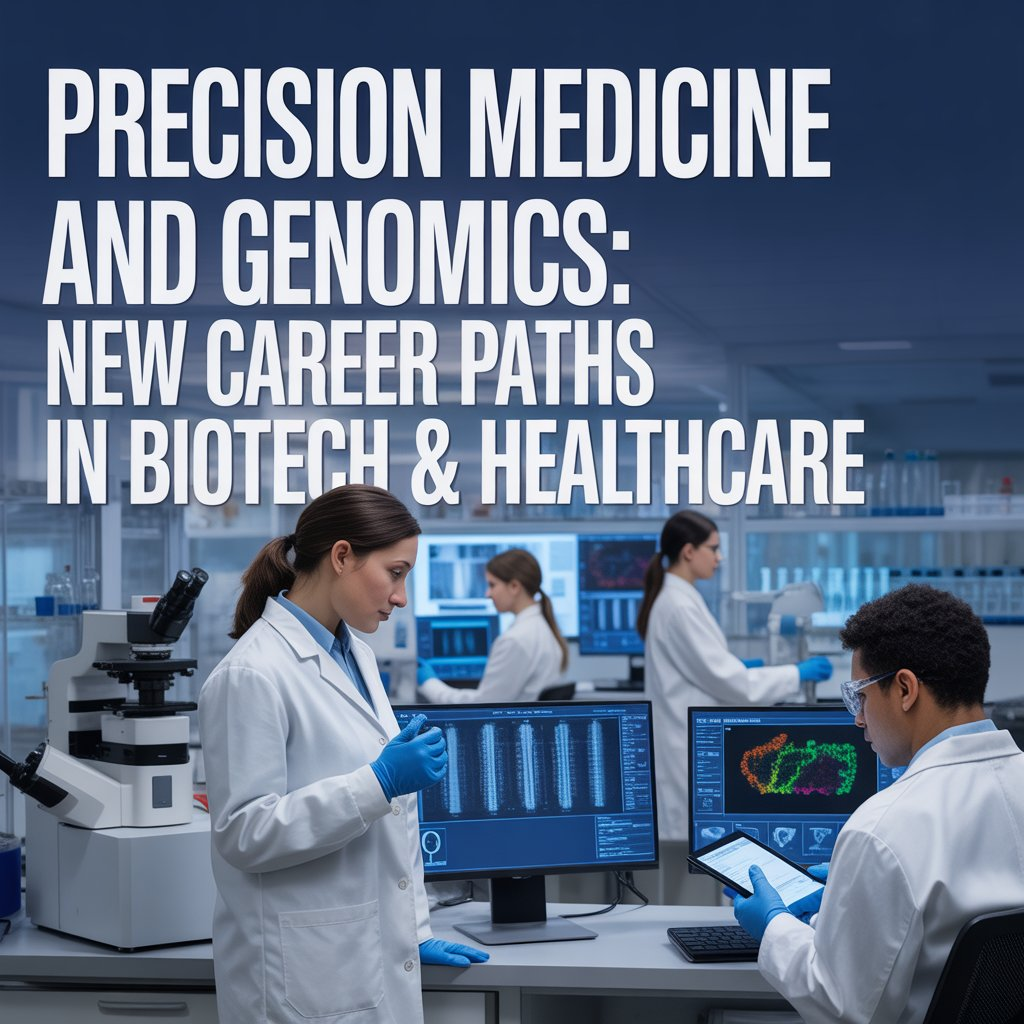
Explore exciting career paths in precision medicine and genomics. Learn about roles in biotech, healthcare innovation, and genomic data analysis.
Introduction
The global precision medicine market is projected to reach $254 billion by 2028, driven by advancements in genomics and personalized healthcare. These fields are transforming how we diagnose, treat, and prevent diseases, creating a surge in demand for skilled professionals. From bioinformatics to genetic counseling, precision medicine and genomics offer diverse, high-impact career paths in biotech and healthcare. This article explores these emerging opportunities, key roles, and how you can break into this innovative industry.
The Rise of Precision Medicine and Genomics
Precision medicine tailors treatments to an individual’s genetic makeup, lifestyle, and environment. Genomics, the study of an organism’s complete set of DNA, fuels this approach by decoding biological data. Together, they enable breakthroughs like targeted cancer therapies and personalized therapeutics.
The biotech and healthcare sectors are rapidly expanding to meet these needs. Innovations in genetic testing and molecular diagnostics have created roles that blend science, technology, and patient care. Professionals in this space work on cutting-edge projects, from developing gene therapies to analyzing genomic data for clinical applications.
This growth is fueled by healthcare technology advancements and a focus on personalized healthcare. As a result, biotech careers are diversifying, offering opportunities for scientists, data analysts, and clinicians alike.
Key Career Paths in Precision Medicine and Genomics
Bioinformatics and Genomic Data Analysis
Bioinformatics combines biology, computer science, and data science in healthcare to analyze complex genomic datasets. Professionals in this field develop algorithms, interpret genetic variations, and support clinical genomics research. Roles like bioinformatics scientist or computational biologist are in high demand, with salaries often exceeding $100,000 annually.
Skills needed include programming (Python, R), statistical analysis, and knowledge of omics technologies. These roles are critical for translating raw genetic data into actionable medical insights, making them central to healthcare innovation.
Genetic Counseling
Genetic counselors bridge science and patient care by interpreting genetic testing results and guiding patients through complex decisions. They work in hospitals, clinics, or private practices, often specializing in areas like precision oncology or medical genetics.
This role requires a master’s degree in genetic counseling and strong communication skills. Demand is growing as genetic testing becomes more accessible, with counselors playing a key role in personalized healthcare delivery.
Pharmacogenomics and Personalized Therapeutics
Pharmacogenomics studies how genes influence drug responses, enabling tailored treatments. Professionals in this field design therapies based on a patient’s genetic profile, improving efficacy and reducing side effects. Roles include pharmacogenomics researchers or clinical pharmacologists.
These careers require expertise in molecular diagnostics and drug development. As gene therapy advances, opportunities in biotech research for personalized therapeutics are expanding rapidly.
Emerging Roles in Biotech and Healthcare Innovation
Clinical Genomics Specialists
Clinical genomics specialists apply genomic medicine in healthcare settings, integrating genetic data into patient care plans. They collaborate with physicians to diagnose rare diseases or develop targeted treatments.
These roles demand knowledge of clinical genomics and healthcare analytics. With the rise of precision oncology, specialists are increasingly vital in cancer treatment, analyzing tumor genetics to recommend therapies.
Translational Medicine Experts
Translational medicine bridges lab research and clinical practice, turning discoveries into real-world treatments. Professionals in this field work in biotech firms or academic institutions, focusing on areas like gene therapy or omics technologies.
A background in medical genetics or biotechnology is essential. These roles are ideal for those passionate about accelerating healthcare innovation from bench to bedside.
How to Start a Career in Precision Medicine and Genomics
Breaking into this field requires a mix of education, skills, and strategic planning. Most roles demand at least a bachelor’s degree in biology, genetics, or a related field, with advanced roles requiring master’s or doctoral degrees.
- Education: Pursue degrees in bioinformatics, medical genetics, or biotechnology. Online courses in data science or computational biology can boost your skills.
- Certifications: Consider certifications in genetic counseling or clinical genomics for specialized roles.
- Networking: Join professional organizations like the American Society of Human Genetics to connect with industry leaders.
- Experience: Seek internships or research positions in biotech firms or hospitals to gain hands-on experience.
The demand for biotechnology jobs is strong, with the U.S. Bureau of Labor Statistics projecting 7% growth for medical scientists through 2030. Staying updated on healthcare technology trends is key to success.
Challenges and Opportunities in the Field
While precision medicine and genomics offer exciting prospects, challenges exist. High educational costs and the need for specialized skills can be barriers. Additionally, ethical concerns around genetic data privacy require professionals to stay informed on regulations.
However, opportunities outweigh these hurdles. The field’s rapid growth means diverse roles for various skill sets, from lab-based research to patient-facing care. As healthcare analytics and genomic medicine advance, professionals can make significant contributions to global health.
Conclusion
Precision medicine and genomics are reshaping biotech and healthcare, creating dynamic career paths for those eager to innovate. From bioinformatics to genetic counseling, these fields offer roles that blend science, technology, and patient impact. Start by gaining relevant education, building skills, and exploring opportunities in this fast-growing industry. Dive into the world of personalized healthcare and contribute to the future of medicine today.