




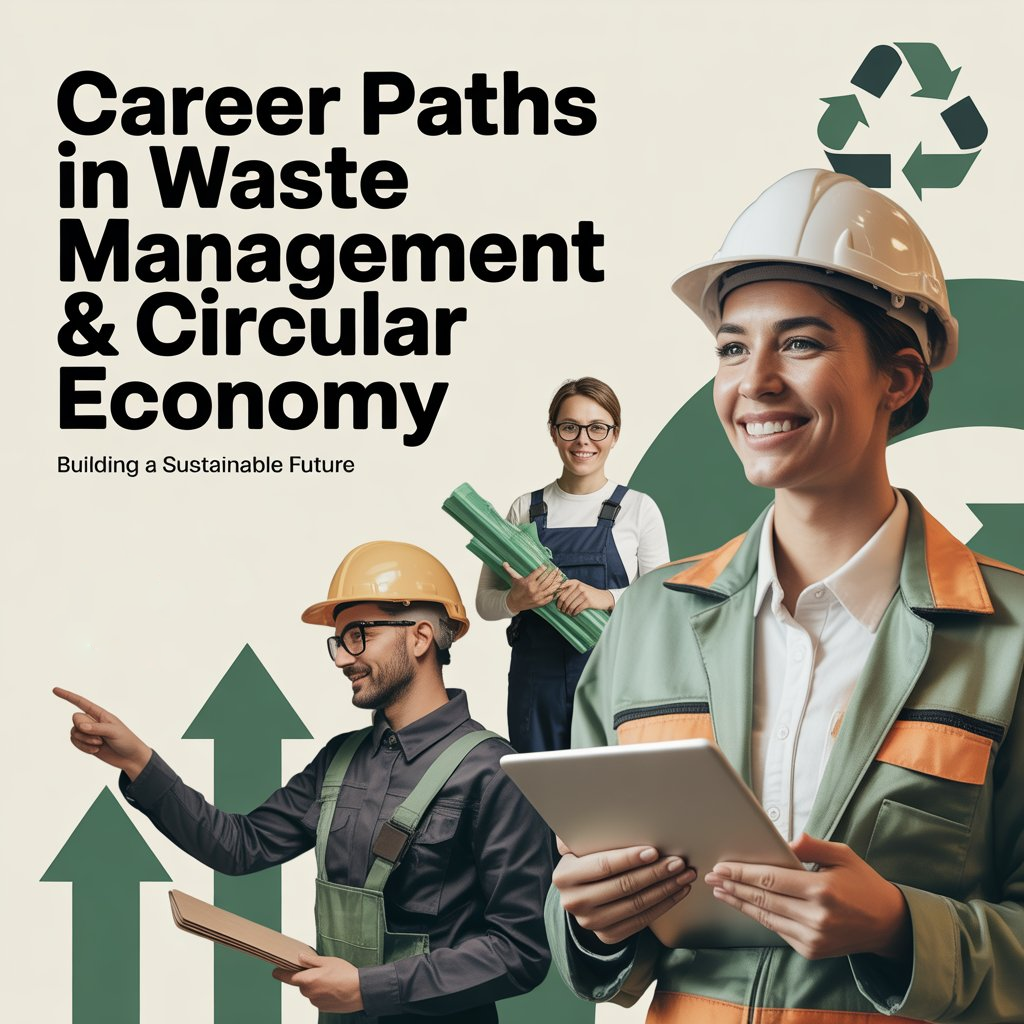
Discover rewarding career paths in waste management, circular economy, and recycling technology. Learn about roles, skills, and opportunities in sustainability.
Introduction
The world generates over 2 billion tons of municipal solid waste annually, with projections estimating a rise to 3.4 billion tons by 2050. This staggering statistic underscores the urgent need for innovative solutions in waste management, circular economy, and recycling technology. These fields offer dynamic career paths for those passionate about sustainability and environmental science. From designing biodegradable materials to advancing waste-to-energy systems, professionals in these sectors drive sustainable development. This article explores key roles, required skills, and emerging opportunities in these rapidly evolving industries.
Exploring Waste Management Careers
Waste management encompasses collecting, treating, and disposing of waste while minimizing environmental impact. Professionals in this field ensure efficient waste treatment and pollution control. Roles include waste management engineers, who design systems for waste sorting and disposal, and waste auditors, who conduct waste auditing to optimize resource use.
A career in waste management often requires a background in environmental engineering or environmental science. Engineers may work on waste-to-energy projects, converting waste into renewable energy, while auditors analyze waste streams to enhance resource recovery. These roles demand analytical skills, knowledge of environmental compliance, and a commitment to sustainable development. Entry-level positions, like waste collection supervisors, may require only a high school diploma, while advanced roles often need a bachelor’s degree.
Thriving in the Circular Economy
The circular economy focuses on reusing, repairing, and recycling resources to create a closed-loop system. Careers in this field, such as circular economy consultants or eco-design specialists, emphasize waste reduction and upcycling. Consultants help businesses adopt sustainable supply chain practices, while designers create products using biodegradable materials or renewable resources.
These roles require creativity and expertise in industrial ecology or lifecycle assessment. For instance, a product designer might use eco-design principles to develop durable, recyclable goods. A background in business, engineering, or design, paired with knowledge of reverse logistics, is valuable. The circular economy is growing, with global initiatives pushing for zero waste, making these careers both impactful and future-proof.
Innovating with Recycling Technology
Recycling technology is at the forefront of transforming waste into valuable resources. Careers in this sector include materials scientists, who develop biodegradable materials, and recycling process engineers, who optimize materials recovery systems. These professionals work on composting technology, waste sorting automation, and green technology innovations like plastic-to-fuel conversion.
A degree in environmental engineering or materials science is often required, along with skills in data analysis and problem-solving. For example, a recycling engineer might design advanced recycling systems to improve efficiency. With governments and companies investing in sustainability, roles in recycling technology offer strong growth potential and the chance to contribute to pollution control.
Navigating Environmental Policy and Compliance
Careers in environmental policy and environmental compliance are critical for ensuring organizations meet regulatory standards. Policy analysts shape sustainable development frameworks, while compliance officers enforce waste treatment and pollution control regulations. These roles require knowledge of environmental science and strong communication skills to liaise with stakeholders.
Professionals may work for government agencies, NGOs, or private firms, advocating for zero waste initiatives or conducting lifecycle assessments. A degree in environmental policy or law is beneficial, though some roles accept related fields. As global demand for green jobs rises, these careers offer stability and influence in shaping a sustainable future.
Conclusion
Careers in waste management, circular economy, and recycling technology offer diverse opportunities to drive sustainability and combat environmental challenges. Whether you’re drawn to engineering, policy, or design, these fields provide meaningful ways to contribute to a zero waste future. Explore educational programs or certifications in environmental science or green technology to start your journey. Take the first step today by researching roles that align with your skills and passion for sustainable development.