


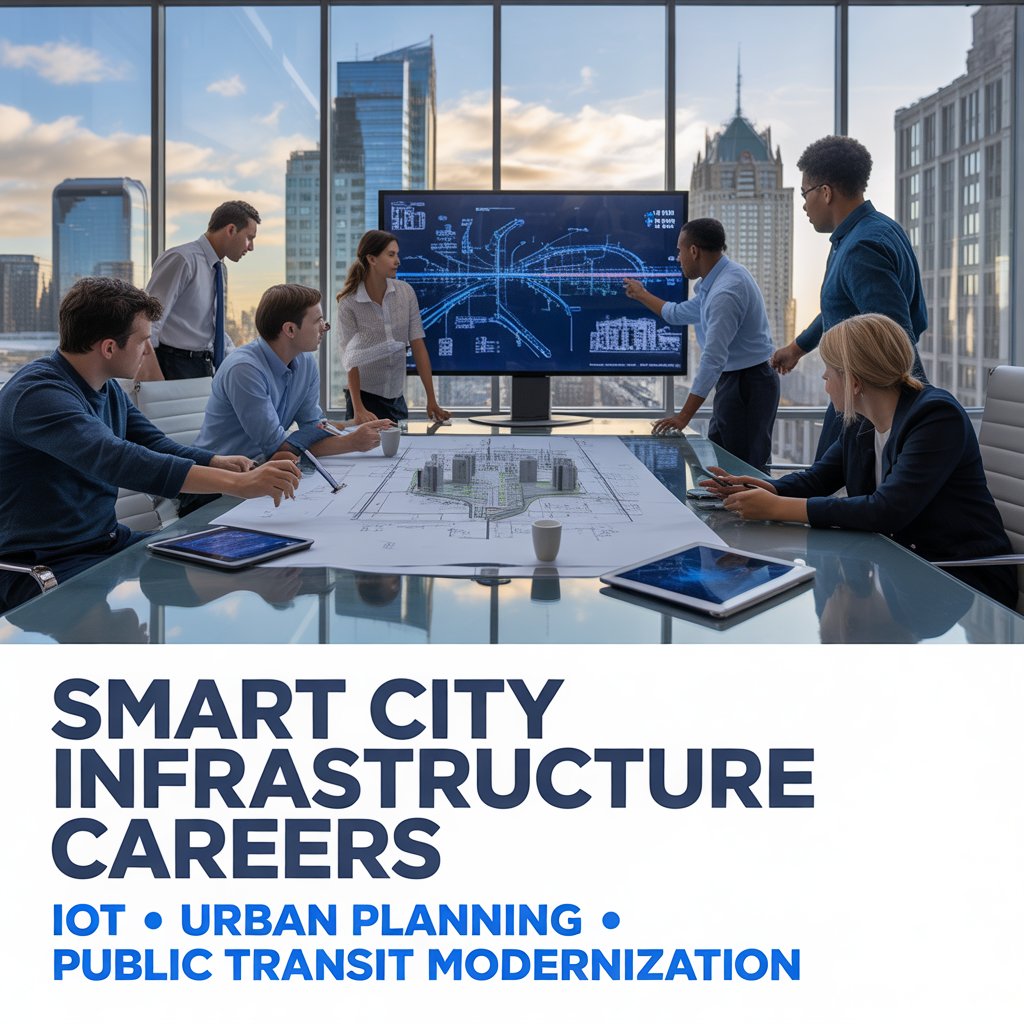
Explore smart city infrastructure jobs in IoT, urban planning, and public transit modernisation, with insights on opportunities and skills for immigrants.
Introduction
Smart cities are reshaping urban life, integrating technology to enhance efficiency and sustainability. The global smart city market is projected to reach $2.5 trillion by 2025, driving demand for professionals in smart city infrastructure jobs. Careers in IoT urban planning, public transit modernisation, and related fields offer immigrants a chance to leverage technical and planning skills in a booming industry. This article explores these roles, their demand, required skills, and immigration pathways for aspiring professionals.
Demand for Smart City Infrastructure Jobs
Smart city infrastructure jobs are in high demand as cities worldwide adopt technology-driven solutions. Roles like smart city planners, IoT systems engineers, and public transit engineers are critical to building connected, sustainable urban environments. According to industry reports, the need for urban mobility engineering professionals is growing by 10% annually, driven by investments in smart transportation and IoT infrastructure. Cities like Singapore and Toronto are leading the charge, creating opportunities for skilled workers.
Immigrants with expertise in technology or urban planning can thrive in these roles. Smart transportation careers, such as designing autonomous bus systems or traffic management solutions, are particularly sought after. The global push for sustainability fuels demand for smart city data analysts who interpret urban data to optimize resources. These positions value diverse perspectives, making them accessible to international talent seeking stable, high-impact careers.
IoT Urban Planning Careers: Skills and Opportunities
IoT urban planning careers focus on integrating Internet of Things (IoT) technologies into city frameworks. IoT network architects design systems for real-time data collection, such as smart traffic lights or waste management sensors. These roles require skills in data analytics, cybersecurity, and network design. Urban planning technology jobs also involve collaborating with municipalities to ensure IoT solutions align with community needs.
For immigrants, connected city jobs offer a pathway to contribute to urban innovation. Proficiency in tools like Python, cloud computing, or GIS enhances employability. IoT infrastructure jobs often require a bachelor’s degree in computer science or engineering, with certifications like Cisco’s IoT Fundamentals adding value. Companies like IBM and Siemens actively recruit for these roles, valuing global expertise to address diverse urban challenges.
Public Transit Modernisation Roles: Transforming Urban Mobility
Public transit modernisation roles are pivotal in upgrading transportation systems to meet smart city goals. Public transit engineers design electric bus fleets, automated rail systems, and real-time passenger information platforms. Sustainable transit planning focuses on reducing emissions and improving accessibility, with cities like London and Dubai investing heavily in these initiatives. Smart city project management roles oversee these complex projects, ensuring timely execution.
Immigrants with engineering or planning backgrounds can excel in smart transportation careers. A degree in civil or transportation engineering is typically required, alongside skills in project management software like Primavera. Public transit innovation roles also value experience in stakeholder engagement, as planners work with governments and communities. These positions offer stability and the chance to shape sustainable urban futures.
Training and Qualifications for Smart City Careers
Entering smart city infrastructure jobs requires specialized training. For IoT urban planning careers, professionals need expertise in IoT systems engineering, often gained through degrees in electrical engineering or computer science. Online platforms like Coursera offer courses in IoT and urban data analytics. Certifications such as CompTIA’s IoT+ or AWS IoT enhance job prospects.
Public transit modernisation roles typically require a bachelor’s degree in civil engineering or urban planning. The American Institute of Certified Planners (AICP) certification is valuable for smart city planners. Urban infrastructure design roles benefit from proficiency in CAD or BIM software. Immigrants can access training through community colleges or online programs, which often provide flexible options. Internships with smart city consultancies like Arup or WSP offer practical experience.
Immigration Pathways for Smart City Professionals
Smart city careers are well-suited for immigrants due to global demand for STEM skills. In the U.S., the H-1B visa supports roles like IoT network architects and public transit engineers. Canada’s Global Talent Stream fast-tracks immigration for tech and engineering professionals, ideal for smart city technology jobs. Countries like Germany and Australia also offer pathways for urban development careers, prioritizing sustainable transit planning expertise.
To succeed, immigrants should highlight relevant qualifications and certifications in their visa applications. Networking through LinkedIn or industry conferences can connect candidates with employers like AECOM or Cisco. Multilingual skills and cross-cultural experience are assets in smart city project management, as global teams drive urban innovation.
Navigating the Job Market for Smart City Roles
The smart city job market is competitive but accessible with the right strategy. Smart city sustainability roles, such as energy efficiency analysts, are growing in cities adopting net-zero goals. Job boards like Indeed list opportunities in urban mobility engineering and connected city jobs. Professional associations, such as the Urban Land Institute, offer resources and networking events.
Immigrants can stand out by tailoring resumes to highlight IoT or transit-related projects. Showcasing experience with smart city data or urban planning technology, even from international projects, demonstrates relevance. Joining smart city initiatives or hackathons can also provide exposure to employers and practical experience in real-world applications.
Conclusion
Smart city infrastructure jobs in IoT, urban planning, and public transit modernisation offer dynamic opportunities for immigrants. With growing demand, accessible training, and global visa programs, these careers enable professionals to shape sustainable urban futures. Start by exploring IoT urban planning careers or public transit innovation roles. Research job openings or enroll in a relevant course today to join the smart city revolution!