




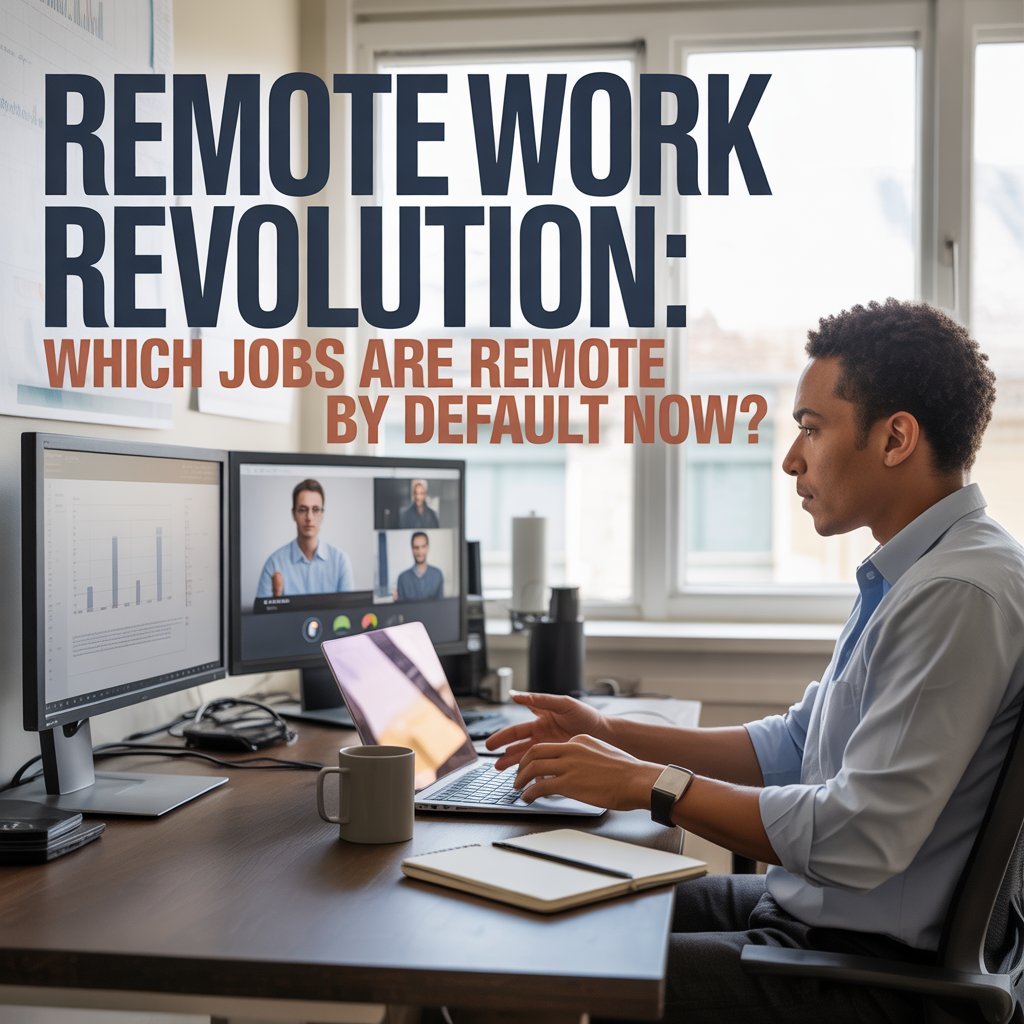
Explore remote work trends and hybrid work impact across industries, identifying default remote careers and opportunities for immigrants.
Introduction
Remote work has transformed the global job market, with 58% of U.S. workers now in roles that can be performed remotely, according to a 2023 McKinsey report. The rise of remote and hybrid work trends offers immigrants unparalleled access to flexible work careers, bypassing traditional barriers like location or local credentials. From tech to customer service, this article explores the impact of remote jobs by industry, highlighting which roles are remote by default and how immigrants can seize these opportunities.
Remote Work Trends in the Technology Sector
The tech industry leads remote work trends, with many roles now remote-first jobs by default. Remote tech jobs, such as software developers, data analysts, and cybersecurity specialists, are in high demand. Companies like GitLab and Automattic operate fully remotely, hiring globally for skills in coding, cloud computing, or AI. The remote work job market in tech is projected to grow 15% by 2030, per industry forecasts.
Immigrants with technical skills can thrive in these default remote careers. Proficiency in Python, JavaScript, or AWS certifications is often enough to secure roles without local degrees. Online platforms like Coursera offer training to build remote work skills, such as DevOps or UX design. The flexibility of remote tech jobs allows immigrants to work for global firms while navigating visa processes, making tech a top sector for remote career opportunities.
Hybrid Work Impact in Customer Service and Support
Remote customer service roles have become a cornerstone of the hybrid work impact, with companies like Amazon and Zendesk offering work-from-home roles by default. These positions include customer support agents, technical support specialists, and call center representatives. The industry remote work shift has led to a 20% increase in remote customer service jobs since 2020, driven by cost savings and global talent pools.
For immigrants, these roles are accessible due to minimal educational requirements. Multilingual skills are a significant advantage, enabling candidates to serve diverse customer bases. Training in tools like Salesforce or customer relationship management (CRM) software, available through LinkedIn Learning, enhances employability. Remote customer service roles offer stable income and flexible schedules, ideal for immigrants settling into new countries.
Remote-First Jobs in Creative and Marketing Industries
Creative and marketing industries have embraced remote-first jobs, with roles like graphic designers, content writers, and digital marketers now often remote by default. The hybrid workplace trends in these sectors allow companies like Canva and HubSpot to hire talent globally. Remote job sectors like marketing value portfolios over degrees, with 70% of creative roles open to skills-based hiring, per recent data.
Immigrants with experience in digital marketing or creative content can leverage these flexible work careers. Tools like Adobe Creative Suite or Google Analytics are critical, and short-term certifications from platforms like Udemy can build expertise. These roles suit immigrants with multilingual or cross-cultural skills, as global brands seek diverse perspectives to reach international audiences, making creative fields prime for remote career opportunities.
Remote Work in Finance and Administrative Roles
Finance and administrative roles are increasingly remote, with positions like accountants, financial analysts, and HR specialists moving to hybrid or fully remote models. Companies like Deloitte and PayPal offer remote work by default for tasks like bookkeeping or payroll management. The industry-specific remote jobs in finance are growing, with a 12% rise in remote administrative roles since 2021.
Immigrants can enter these fields with certifications like QuickBooks or SHRM-CP for HR, which take months to earn. Online training through platforms like edX ensures accessibility. These roles value precision and organizational skills, making them suitable for diverse candidates. The remote work job market in finance offers stability, appealing to immigrants seeking long-term career paths.
Skills and Training for Remote and Hybrid Jobs
Success in default remote careers requires specific remote work skills, such as proficiency in collaboration tools like Slack, Zoom, or Trello. Tech roles demand coding or data analysis skills, while customer service roles require CRM expertise. Creative and finance roles benefit from certifications in tools like Adobe or QuickBooks. Online platforms like Coursera and Alison offer affordable courses to build these competencies.
Immigrants can access training through community colleges or free resources like Google’s Career Certificates. Building a portfolio showcasing remote work, such as coded apps or marketing campaigns, is crucial. Time management and communication skills are also essential, as remote and hybrid work industries emphasize self-discipline and virtual collaboration, aligning with hybrid workplace trends.
Immigration Pathways for Remote Workers
Remote and hybrid work expands opportunities for immigrants through visa programs prioritizing flexible skills. In the U.S., the H-1B visa supports remote tech jobs, while Canada’s Global Talent Stream targets digital nomads in IT and marketing. Australia and the UK offer pathways for industry-specific remote jobs, valuing certifications and experience over degrees.
Immigrants should highlight remote work experience or certifications in visa applications. Networking via LinkedIn or virtual industry events connects candidates with remote-first employers like Shopify or Upwork. Multilingual skills enhance employability in remote customer service roles or marketing, as companies value global perspectives in the remote work job market.
Navigating the Remote Job Market
The remote jobs by industry landscape is competitive but accessible. Job boards like FlexJobs and Remote.co list work-from-home roles, filtering for remote tech jobs or customer service positions. Building a strong online presence, such as a GitHub profile for coders or a Behance portfolio for designers, showcases skills. Joining remote work communities, like Digital Nomad groups, provides networking opportunities.
Immigrants can stand out by targeting remote job sectors with high demand, such as tech or marketing. Upskilling through short-term certifications aligns with hybrid work trends, ensuring competitiveness. Engaging with remote-first companies, like Toptal or Zapier, increases chances of securing flexible work careers in this evolving market.
Challenges of Remote and Hybrid Work
While remote work offers flexibility, challenges include isolation, time zone differences, and technology access. Immigrants may face language barriers in client-facing roles, though multilingual skills can offset this. Reliable internet and equipment are critical, and some roles may require occasional in-person collaboration in hybrid models. Addressing these through training or coworking spaces ensures success in remote career opportunities.
Conclusion
Remote and hybrid work trends have transformed industries, making roles in tech, customer service, creative, and finance remote by default. These flexible work careers offer immigrants accessible pathways through skills-based hiring and global visa programs. Build remote work skills or explore job boards to seize these opportunities. Start today by researching certifications or remote job listings to join the remote work revolution!