



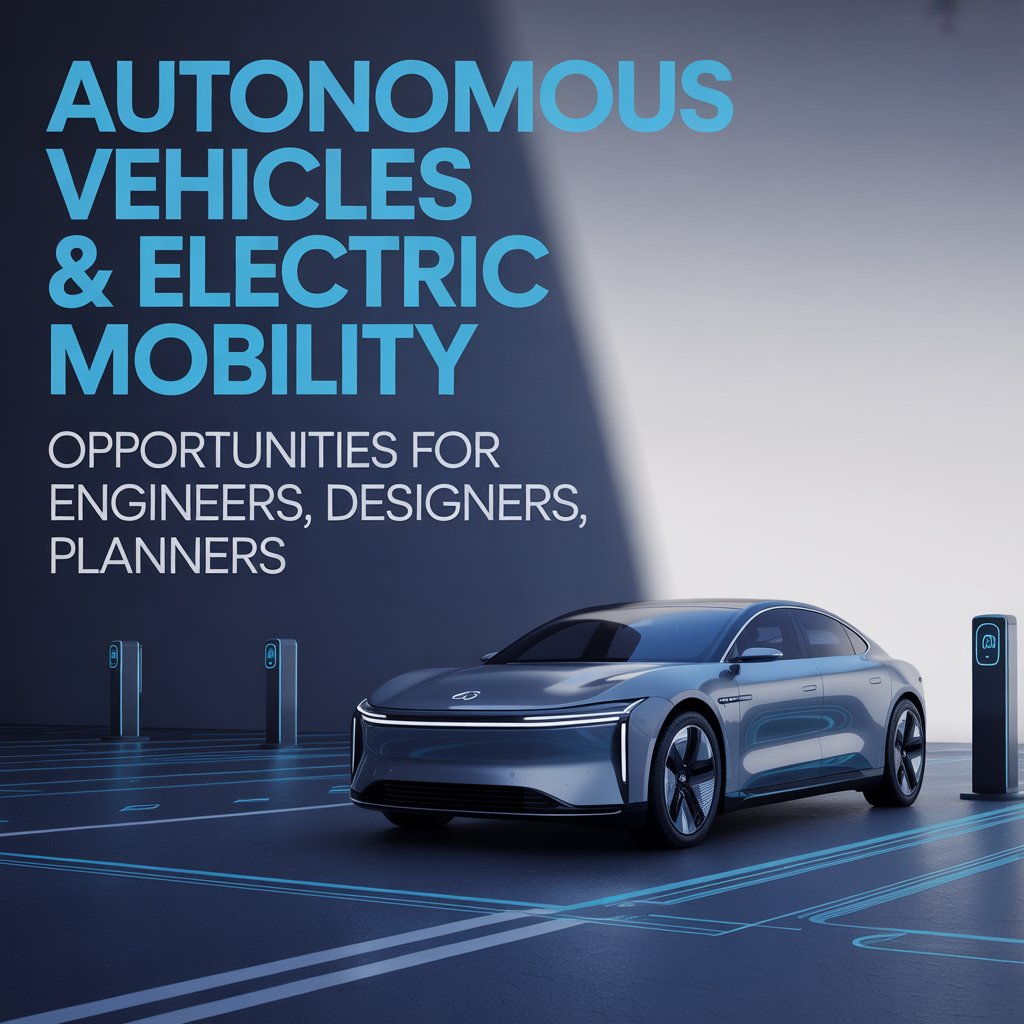
Discover autonomous vehicles engineering and electric mobility jobs for engineers, designers, and planners, with insights on opportunities and skills needed.
Introduction
The rise of autonomous vehicles and electric mobility is transforming transportation, creating a surge in demand for skilled professionals. The global electric vehicle (EV) market is expected to reach $1.4 trillion by 2027, driving opportunities for engineers, designers, and planners. These fields offer immigrants a chance to leverage technical expertise in a rapidly evolving industry. This article explores autonomous vehicles engineering, electric mobility jobs, and the skills needed to thrive in these innovative roles.
Growing Demand for Autonomous Vehicles Engineering
Autonomous vehicles engineering is at the forefront of automotive innovation, with companies like Tesla, Waymo, and Cruise hiring talent globally. Self-driving car opportunities span software development, sensor integration, and artificial intelligence (AI). Engineers with expertise in machine learning, robotics, or vehicle connectivity jobs are in high demand. The U.S. alone expects a 15% growth in automotive engineer jobs by 2030, fueled by advancements in advanced driver-assistance systems (ADAS development opportunities).
Immigrants with technical backgrounds can capitalize on autonomous driving roles, as companies value diverse perspectives for global markets. These roles often require skills in programming languages like Python or C++, alongside knowledge of LIDAR and radar systems. The autonomous robotics engineering field also offers positions in testing and validation, ensuring vehicles meet safety standards. For engineers, this sector promises both job security and the chance to shape the future of mobility.
Opportunities in Electric Mobility Jobs for Designers
Electric vehicle innovation is reshaping the automotive industry, creating a wealth of EV design careers. Designers focus on electric vehicle architecture, crafting efficient battery systems, aerodynamic exteriors, and user-friendly interfaces. Battery technology engineers work on improving range and charging speed, while urban mobility design roles integrate EVs into smart city frameworks. These positions require creativity and technical precision, making them ideal for designers with interdisciplinary skills.
For immigrants, electric propulsion careers offer a pathway to contribute to sustainability. Companies like Rivian and Lucid Motors seek talent to design next-generation EVs, with roles ranging from interior design to powertrain development. Proficiency in CAD software, materials science, or human-machine interface design is highly valued. As sustainable mobility engineering grows, designers with a passion for eco-friendly solutions can find rewarding opportunities in this dynamic field.
Roles for Planners in AV Infrastructure and Smart Cities
Smart city planners and mobility systems planners play a critical role in integrating autonomous vehicles and electric mobility into urban environments. AV infrastructure planning involves designing road networks, charging stations, and traffic management systems to support self-driving cars and EVs. These roles require expertise in urban planning, data analysis, and stakeholder collaboration to ensure seamless adoption of new technologies.
The demand for mobility systems planning is rising as cities prioritize sustainable transportation. Planners assess traffic patterns, environmental impacts, and public needs to create efficient systems. Immigrants with experience in urban development or geographic information systems (GIS) can excel in these roles, as global perspectives enhance inclusive planning. With cities like Singapore and Dubai leading smart city initiatives, EV sustainability roles and planning positions offer stable, high-impact careers.
Skills and Training for Autonomous Vehicles and Electric Mobility
Entering autonomous vehicles engineering or electric mobility jobs requires specialized skills. Engineers need degrees in electrical, mechanical, or computer engineering, often supplemented by certifications in AI or autonomous robotics. Platforms like Coursera offer courses in ADAS development and vehicle connectivity. Designers benefit from training in CAD, battery technology, or sustainable design, with programs available through universities or industry associations.
Planners pursuing AV infrastructure planning or smart city roles typically hold degrees in urban planning or civil engineering. Certifications like the American Institute of Certified Planners (AICP) enhance employability. Immigrants can access these fields through online training or community colleges, which often provide flexible programs. Practical experience through internships or co-op programs is also crucial, as employers value hands-on expertise in these fast-paced industries.
Immigration Pathways for Engineers, Designers, and Planners
For immigrants, autonomous vehicles and electric mobility offer accessible career paths through visa programs like the U.S. H-1B or Canada’s Global Talent Stream. These programs prioritize skilled workers in high-demand fields like automotive engineer jobs and sustainable mobility engineering. Countries like Germany and Australia also offer pathways for EV design careers and smart city planners, with streamlined immigration for STEM professionals.
To succeed, immigrants should highlight relevant qualifications and experience in their applications. Networking through platforms like LinkedIn or industry events can connect candidates with employers. Additionally, showcasing multilingual skills or cultural adaptability can set applicants apart in global companies developing autonomous driving roles or urban mobility solutions.
Conclusion
Autonomous vehicles and electric mobility jobs present exciting opportunities for engineers, designers, and planners. With growing demand, diverse roles, and accessible training, these fields are ideal for immigrants seeking impactful careers. Explore autonomous vehicles engineering, EV design careers, or smart city planning to contribute to a sustainable future. Start by researching job openings or training programs today to seize these global opportunities!