



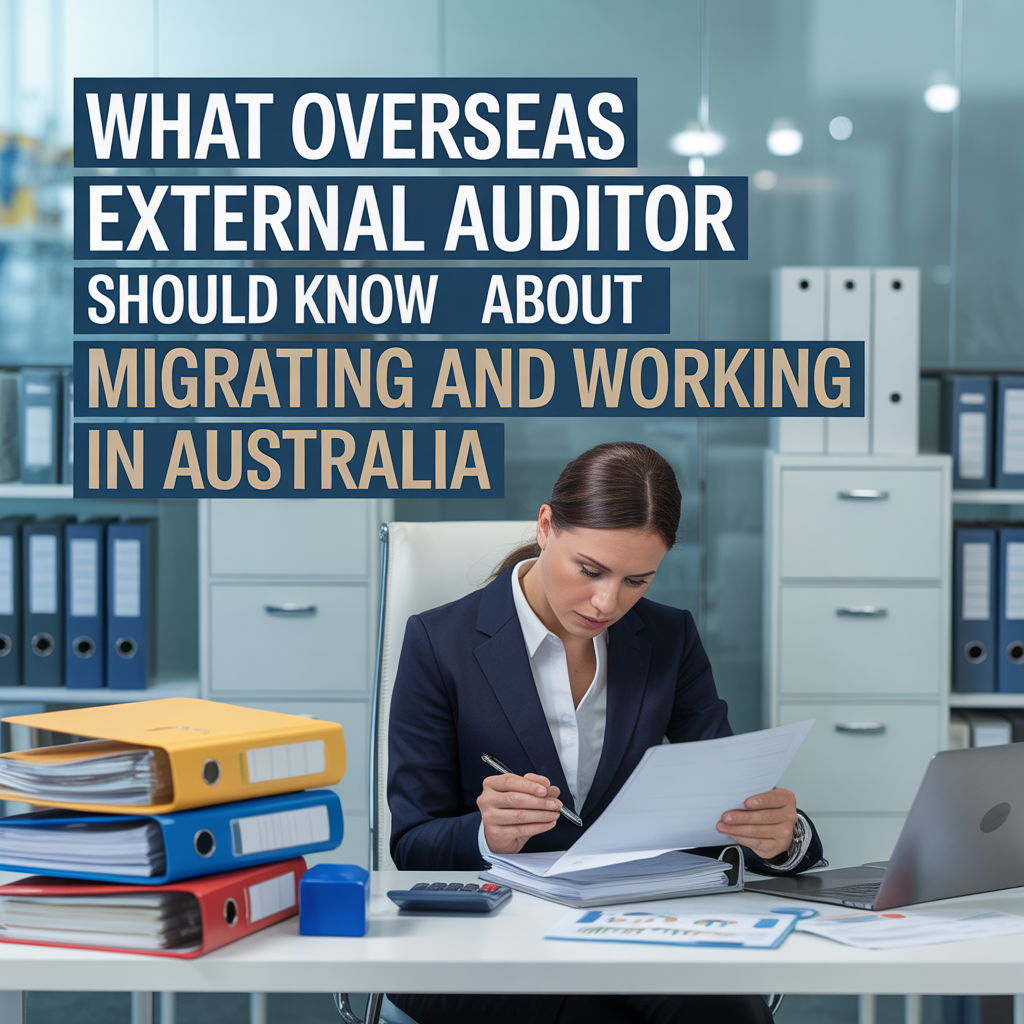
Discover essential insights on visas, qualifications, auditing standards, and job opportunities for external auditors moving to Australia. Learn practical steps for a successful transition and career growth.
Introduction
Australia faces a shortage of skilled external auditors, with over 1,500 vacancies reported in major cities last year. Overseas professionals seek opportunities in this stable economy. This guide explains what overseas external auditors should know about migrating and working in Australia. It covers visa pathways, qualification recognition, regulatory requirements, and workplace integration. Readers gain actionable advice to navigate the process efficiently.
Qualification Recognition and Skills Assessment
Overseas external auditors must validate their credentials before practicing in Australia. Begin with a skills assessment for accountants through bodies like CPA Australia or CA ANZ. These organizations evaluate overseas qualifications against local standards. Submit academic transcripts, work experience details, and proof of membership in recognized international bodies. CA ANZ qualification recognition applies for chartered accountants from compatible jurisdictions. CPA Australia membership offers similar pathways. The process takes 8-12 weeks and costs around AUD 500-800. Positive assessments unlock visa eligibility and job applications.
English language proficiency plays a key role. Achieve minimum scores in IELTS or PTE tests. For example, IELTS requires 6.0 overall with no band below 5.5 for skilled migration. Prepare early to meet these thresholds. Once assessed, pursue ASIC-registered auditor status by completing local bridging courses if needed. This step ensures compliance with Australian Auditing Standards (ASA) and AASB accounting standards.
Visa Options for Skilled Migration
Skilled auditors access multiple visa streams. The 482 TSS visa (Temporary Skill Shortage) allows sponsored temporary work for up to four years. Employers nominate candidates for roles on the skilled occupation list, where external auditor qualifies.
For permanent residency, consider the 186 ENS visa (Employer Nomination Scheme). It requires employer sponsorship and at least three years of relevant experience. The 494 SESR visa (Skilled Employer Sponsored Regional) targets regional areas with a pathway to permanence after three years. Points-tested skilled migration through 189 or 190 visas suits independent applicants. Accumulate points for age, experience, English proficiency, and qualifications. State nomination pathways boost scores for 190 visas in states like New South Wales or Victoria. Consult a Migration Agent for visa advice tailored to your profile. Processing times vary from 3-12 months. Secure health insurance and police checks during applications. These options provide flexibility for overseas external auditors entering the Australian job market.
Regulatory and Professional Requirements
Compliance forms the backbone of auditing in Australia. Adhere to APES 110 Code of Ethics for professional conduct. Register with ASIC for auditor status, which involves background checks and ongoing obligations.
Obtain professional indemnity insurance to cover potential liabilities. Many firms mandate this coverage. Continuing Professional Development (CPD) requirements demand 120 hours over three years, including 20 hours annually. Familiarize with ASIC regulations governing financial reporting. Understand Australian tax system basics, such as GST and FBT, as audits often intersect with tax compliance. Tax agent registration via TPB enables additional services if desired. SMSF auditing specialization opens niche opportunities in self-managed super funds. Big Four firms in Australia—PwC, Deloitte, EY, KPMG—prioritize registered auditors. Mid-tier audit firms like Grant Thornton and BDO offer alternatives with growth potential.
Job Market and Workplace Integration
The job market for external auditors remains robust, especially in Sydney and Melbourne. Salaries start at AUD 80,000 for juniors and exceed AUD 150,000 for seniors. Demand stems from regulatory scrutiny and business expansion.
Network via LinkedIn Australia to connect with recruiters and peers. Attend industry events hosted by CPA Australia or CA ANZ. Tailor resumes to highlight ASA compliance and international experience. Work rights and conditions follow the Fair Work Act, ensuring fair pay and leave entitlements. Contribute to the superannuation guarantee at 11% of earnings. Cultural adaptation in the workplace emphasizes collaboration and work-life balance. Australians value direct communication and punctuality. Consider the cost of living in Sydney/Melbourne—rent averages AUD 2,500 monthly for a one-bedroom apartment. Budget for utilities and transport. Regional roles via 494 visas offer lower costs and incentives.
Conclusion
Overseas external auditors hold strong prospects in Australia through recognized qualifications, suitable visas, and regulatory adherence. Prepare thoroughly to seize opportunities in a demanding market. Consult professionals and start your skills assessment today for a smooth migration.