




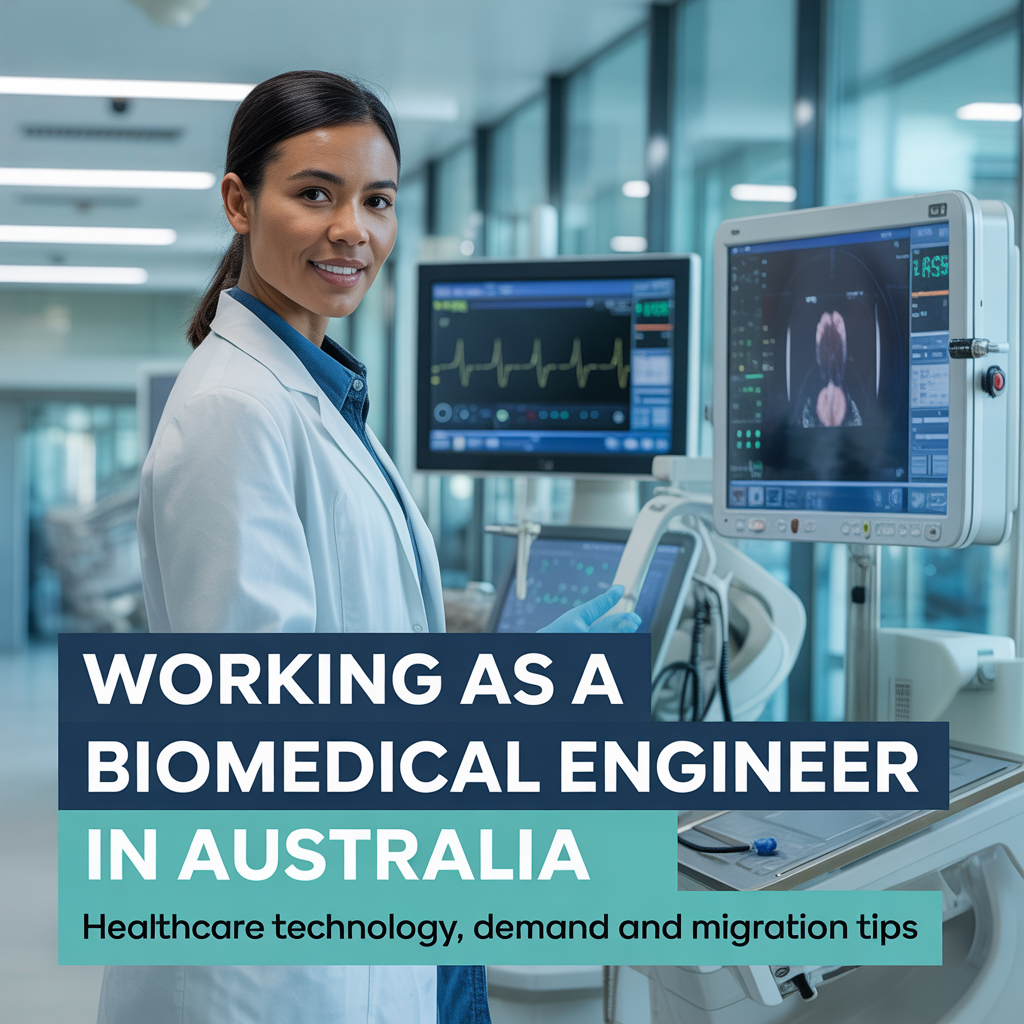
Discover high-demand biomedical engineering jobs in Australia. Explore salaries, healthcare technology roles, MedTech opportunities, and proven skilled migration pathways including visa options and skills assessment.
Introduction
Australia faces a growing shortage of biomedical engineers. The MedTech industry expands rapidly, driven by an ageing population and advances in medical device design, digital health, and medical robotics. Biomedical engineers (ANZSCO 233913) now appear on multiple skilled occupation lists, creating strong pathways for international professionals. This guide covers current job demand, expected salaries, key employers, and practical migration tips to help you secure permanent residency.
Why Australia Needs Biomedical Engineers
The Australian healthcare technology sector grows faster than most engineering fields. Hospitals upgrade medical imaging systems, rehabilitation facilities need prosthetics and orthotics specialists, and companies develop wearable medical devices and AI-driven diagnostics.
Major employers include public hospitals, private health networks, and global MedTech leaders such as Cochlear, ResMed, and Fisher & Paykel Healthcare. Research organisations like CSIRO and universities also hire for tissue engineering, biomechanics, and biomaterials projects.
Job advertisements for clinical engineers and medical device engineers increased by over 40 % in the past three years. Sydney, Melbourne, and Brisbane host the highest number of roles, followed by emerging opportunities in Adelaide and Perth. Roles in regional areas qualify for additional migration points under the Subclass 491 visa.
Salary Expectations and Career Progression
Biomedical engineers in Australia earn competitive salaries. Graduates start between AUD 75,000 and AUD 90,000 per year. Professionals with three to five years of experience typically earn AUD 100,000–130,000. Senior roles in regulatory affairs, medical device design, or hospital-based clinical engineering reach AUD 150,000–190,000+.
Specialisations in high-demand areas command premium pay:
– Medical robotics and AI in healthcare: up to 20 % above average
– TGA regulatory affairs and ISO 13485 compliance roles
– Telehealth engineering and digital health platforms
Chartered Professional Engineer (CPEng) status through Engineers Australia often unlocks higher salary bands and leadership positions.
Skilled Migration Pathways for Biomedical Engineers
Australia offers multiple visa options for biomedical engineers. The occupation sits on the Core Skills Occupation List, making it eligible for priority processing.
Points-tested visas remain the most popular route:
– Subclass 189 Skilled Independent visa – no sponsor required
– Subclass 190 Skilled Nominated visa – adds 5 state nomination points
– Subclass 491 Skilled Work Regional visa – adds 15 regional points
The Global Talent Visa (GTI) in the Medical Technology priority sector provides one of the fastest paths to permanent residency, often within months.
Employer-sponsored options include the Subclass 482 TSS visa (medium-term stream) and direct permanent residency through the Subclass 186 Employer Nomination Scheme.
Skills Assessment and Qualification Recognition
Engineers Australia conducts the mandatory skills assessment for migration purposes. Applicants with a Washington Accord-accredited biomedical engineering degree receive direct recognition.
Non-recognised qualifications require a Competency Demonstration Report (CDR). The CDR must demonstrate equivalent knowledge in areas such as medical device design, biomechanics, biomaterials, and regulatory standards.
Membership of Engineers Australia and registration on the National Engineering Register (NER) strengthen visa applications and improve job prospects.
Practical Steps to Start Your Migration Journey
Begin with a free visa eligibility check using the Department of Home Affairs points calculator. Aim for at least 65 points, though competitive scores now exceed 85–90.
Prepare your Expression of Interest (EOI) through SkillSelect. Highlight experience in high-priority fields like medical imaging, prosthetics, wearable devices, or regulatory affairs for medical devices.
Secure a positive skills assessment from Engineers Australia early. Gather certified copies of your degree, transcripts, and detailed CV before lodging.
Consider state nomination. Victoria, New South Wales, and Queensland actively nominate biomedical engineers. Regional areas often invite at lower points thresholds.
Conclusion
Biomedical engineers enjoy strong demand, excellent salaries, and multiple migration pathways in Australia. With the right qualifications and strategic planning, many professionals secure permanent residency within 12–18 months. Start your skills assessment and visa planning today to join one of the country’s fastest-growing healthcare technology sectors.