




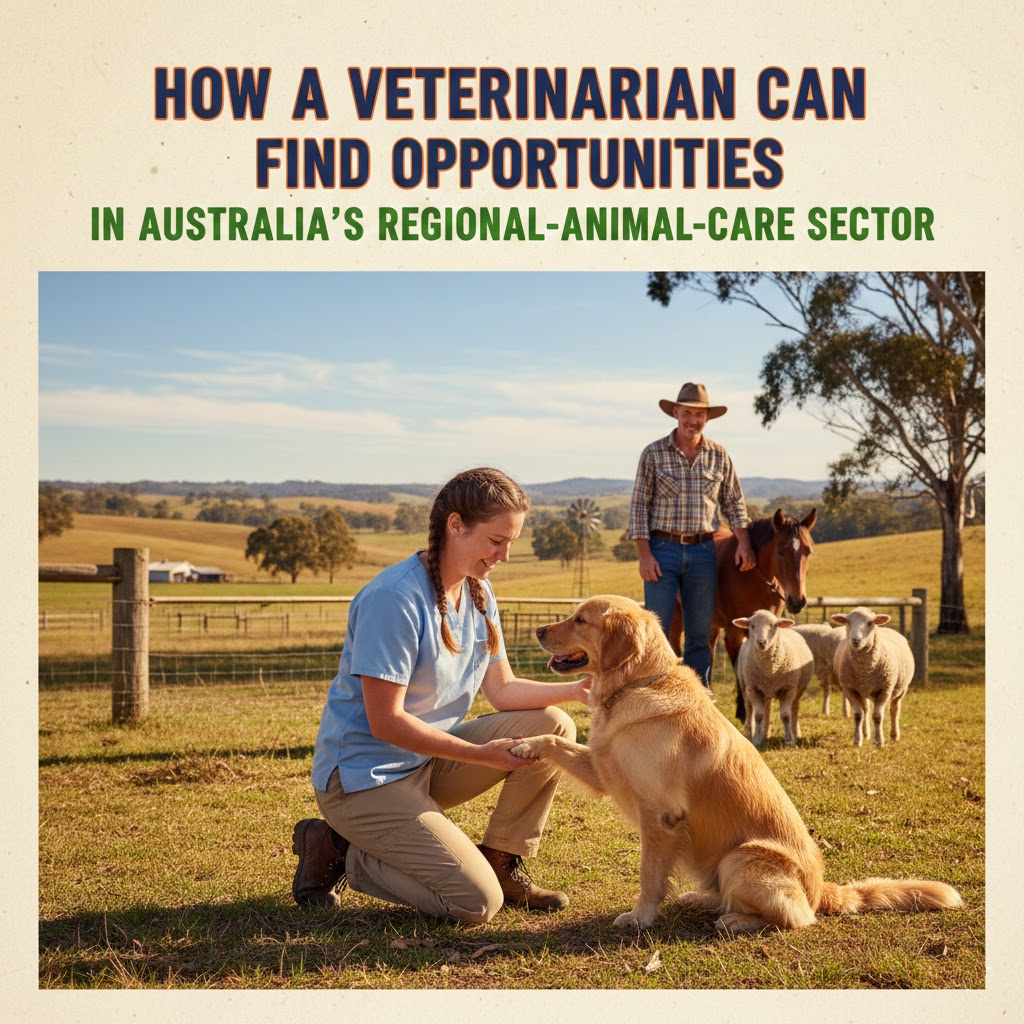
Discover high-demand veterinarian jobs in Australia’s regional animal-care sector. Explore rural veterinary opportunities, visa sponsorship pathways (482 & 494 visas), relocation incentives, and practical steps to secure a role in livestock, dairy, or mixed practice.
Introduction
Australia faces a critical shortage of veterinarians in regional and rural areas. Over 70% of veterinary positions outside major cities remain unfilled for extended periods, creating exceptional opportunities for both Australian graduates and overseas-trained vets. This guide explains exactly how a veterinarian can find and secure rewarding roles in Australia’s regional animal-care sector, from visa-sponsored positions to practice ownership in the outback.
Why Australia’s Regional Areas Desperately Need Veterinarians
Regional Australia supports the nation’s $70+ billion agricultural industry, yet veterinary shortages threaten animal health and biosecurity. Areas classified as District of Designated Regional Area (DDRA) often have only one vet per 5,000–10,000 livestock units. Mixed animal practice Australia dominates here — vets treat beef cattle, dairy cattle, sheep, horses, and occasional wildlife or companion animals.
The Australian Government lists “Veterinarian” on the Priority Migration Skilled Occupation List, granting priority processing for visa applications. Employers in regional postcodes qualify for visa sponsorship under both the 482 visa (Temporary Skill Shortage) and the 494 Skilled Employer Sponsored Regional visa, which offers a direct pathway to permanent residency after three years.
Many regional councils and large producers now offer relocation incentives for veterinarians, including signing bonuses up to AUD 50,000, housing assistance, and guaranteed minimum income for the first 12–24 months.
Visa Pathways That Actually Work for Veterinarians
Overseas veterinarians have two proven routes into regional veterinary practice Australia:
1. TSS 482 Visa (Medium-Term stream)
Employers sponsor you for up to four years. Most rural clinics use this visa because labour market testing requirements are relaxed for veterinary shortages Australia.
2. Employer Sponsored Regional 494 Visa
Provides a five-year visa with permanent residency after three years of regional work. Ideal for long-term commitment to livestock veterinarian jobs or large animal veterinarian Australia roles.
Both visas receive priority processing — often decided within weeks instead of months. The Regional Veterinary Workforce Scheme further streamlines applications for designated regional areas.
Where the Jobs Actually Are Right Now
High-demand regions include:
– Queensland rural veterinary practice (beef and dairy focus)
– New South Wales regional vet jobs (Riverina sheep–beef zones)
– Western Australia regional vet (Kimberley and Pilbara cattle stations)
– Northern Territory veterinarian jobs (extensive cattle properties)
– Victoria High Country veterinary (dairy and equine)
– Tasmania mixed practice veterinarian (growing demand)
Job types range from salaried clinic positions and government veterinary officer regional Australia roles to biosecurity veterinarian jobs with DAFF (Department of Agriculture, Fisheries and Forestry). Fly-in fly-out veterinarian jobs and veterinary locum rural Australia contracts provide flexible entry points.
Practical Ways to Find and Secure Regional Positions
Start with specialist platforms:
– AVA Careers and VetLink list hundreds of rural veterinarian opportunities weekly
– SEEK and Indeed using filters “regional” + “veterinarian” + state
– Direct contact with regional vet clinics for sale — many owners seek associates with view to partnership
Network through the Australian Veterinary Association (AVA) Rural Special Interest Group and attend regional conferences. James Cook University, University of Queensland rural vet placements, and Charles Sturt University Wagga Wagga vet school graduates often receive direct offers from surrounding practices.
Industry bodies such as Dairy Australia veterinary careers, Meat & Livestock Australia (MLA) vet roles, and Australian Wool Innovation vet opportunities regularly recruit for specialised positions.
Financial and Lifestyle Advantages of Regional Practice
Regional positions often pay 20–40% above metropolitan salaries. Many clinics operate rural bulk-billing veterinary models or receive government subsidies, improving viability. Practice ownership rural Australia remains achievable — established clinics in towns of 5,000–15,000 people frequently sell for under AUD 1 million with vendor finance available.
Continuing education rural veterinarians receives strong support through distance subsidies and mandatory CPD funding from employers.
Conclusion
Australia’s regional animal-care sector offers veterinarians stable, well-paid careers with genuine pathways to permanent residency and practice ownership. With critical shortages, visa sponsorship, and generous incentives, qualified vets who commit to regional areas find doors open quickly. Start by registering with the Veterinary Surgeons Board of your target state and contacting rural clinics directly — many will sponsor the right candidate immediately.