




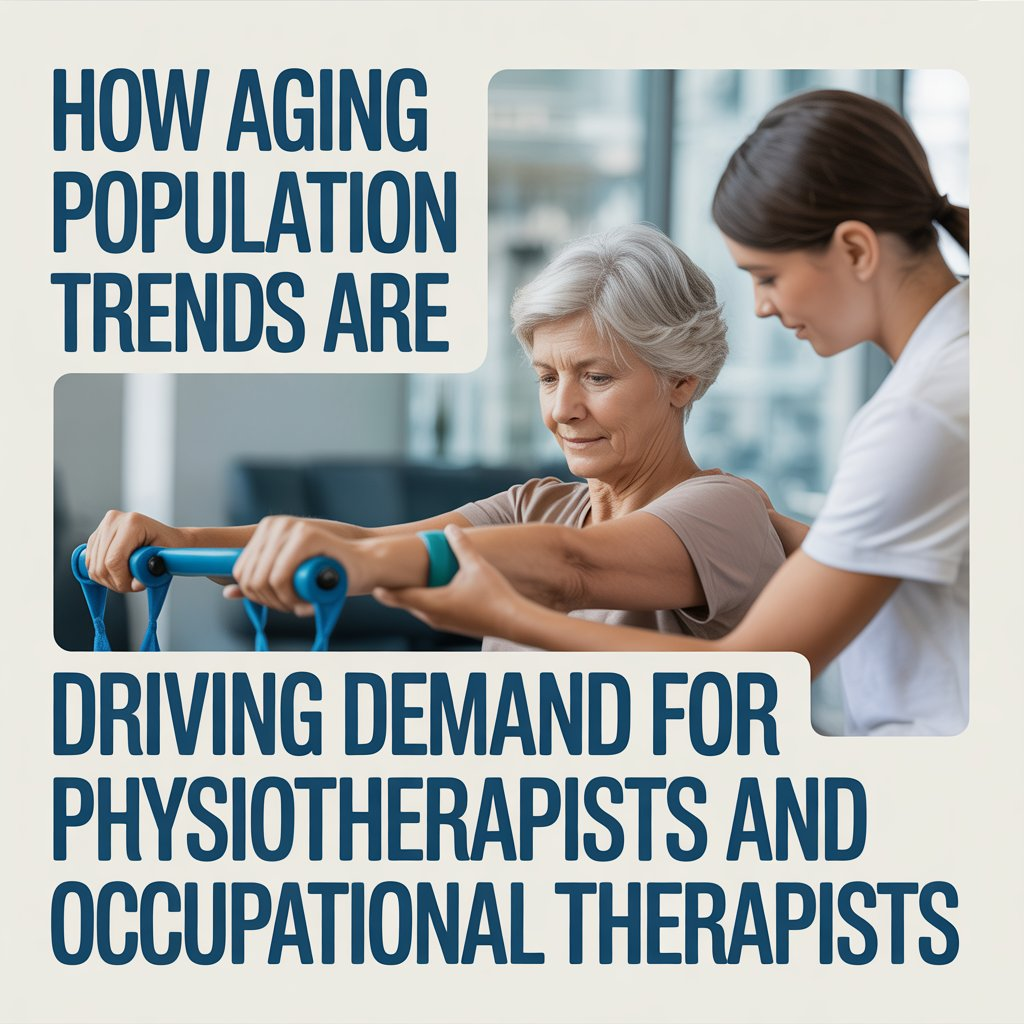
Global population aging drives explosive demand for physiotherapists and occupational therapists. Discover why geriatric healthcare needs these specialists now and how the “silver tsunami” creates long-term career opportunities worldwide.
Introduction
By 2030, one in six people worldwide will be aged 60 or older, according to the World Health Organization. This rapid demographic shift—often called the silver tsunami—creates massive pressure on healthcare systems. Older adults face higher rates of chronic disease, mobility issues, and age-related disabilities. As a result, demand for physiotherapists and occupational therapists who specialize in geriatric care surges. These professionals help seniors maintain functional independence and quality of life. The aging population trend directly translates into sustained job growth for rehabilitation experts.
The Global Aging Trend: Numbers Tell the Story
Life expectancy continues to rise while birth rates fall in most developed and many emerging countries. The United Nations projects that the number of people aged 65 and over will double from 761 million in 2021 to 1.6 billion by 2050. Japan already has more than 29% of its population over 65; Italy, Germany, and Canada follow close behind. Even middle-income countries like China and Thailand experience accelerated population aging.
This demographic shift brings predictable health challenges. Arthritis affects over 50% of adults aged 65+, stroke incidence rises sharply after 55, and falls remain the leading cause of injury among seniors. Each condition requires targeted rehabilitation services—exactly what physiotherapists and occupational therapists deliver.
Why Physiotherapists and Occupational Therapists Are in High Demand
Physiotherapists focus on restoring movement and managing pain. They treat mobility issues in elderly patients through exercise programs, manual therapy, and fall prevention strategies. Occupational therapists enable seniors to perform activities of daily living (ADL)—dressing, cooking, bathing—despite physical or cognitive limitations.
Both professions play critical roles in:
– Stroke rehabilitation and post-hospital rehabilitation
– Chronic disease management (diabetes, heart disease, COPD)
– Dementia care and cognitive stimulation
– Home modifications and assistive device training
– Preventive rehabilitation to support active aging
Hospitals, nursing homes, home health agencies, and outpatient clinics all compete for qualified therapists. In many countries, therapist shortage already exists alongside growing elderly care needs.
Job Growth Projections and Regional Hotspots
Government labor statistics confirm the trend. In Australia, the Department of Employment projects 18–20% growth for both physiotherapy and occupational therapy jobs by 2026—much faster than average. Canada’s Job Bank rates both occupations as having “very good” outlook in most provinces through 2031. The U.S. Bureau of Labor Statistics forecasts 17% growth for physiotherapists and 14% for occupational therapists from 2023 to 2033.
Countries with the most acute shortages include:
– Australia (especially regional and rural areas)
– Canada (British Columbia, Ontario, Atlantic provinces)
– United Kingdom (NHS therapy posts)
– New Zealand
– Germany and Nordic countries
Many of these nations actively recruit internationally trained therapists and offer streamlined visa pathways for healthcare professionals.
Long-Term Opportunities in Geriatric Rehabilitation
The need will not peak and disappear. As baby boomers move through their 70s, 80s, and 90s over the next two decades, demand for geriatric physiotherapy and geriatric occupational therapy will remain elevated. Emerging trends strengthen the outlook further:
– Shift toward home health therapy and tele-rehabilitation for seniors
– Expansion of multidisciplinary geriatric care teams
– Increased funding for aged care and rehabilitation under national health programs
– Growth of retirement communities and senior living facilities that employ in-house therapists
Professionals who specialize in areas like dementia care, fall prevention, or neurological rehabilitation position themselves at the center of this expanding market.
Conclusion
The aging population creates one of the most reliable sources of healthcare job growth worldwide. Physiotherapists and occupational therapists stand at the forefront of meeting this challenge. Countries facing the sharpest demographic shifts offer strong salaries, job security, and immigration pathways for qualified professionals ready to work in elderly care and rehabilitation services.