




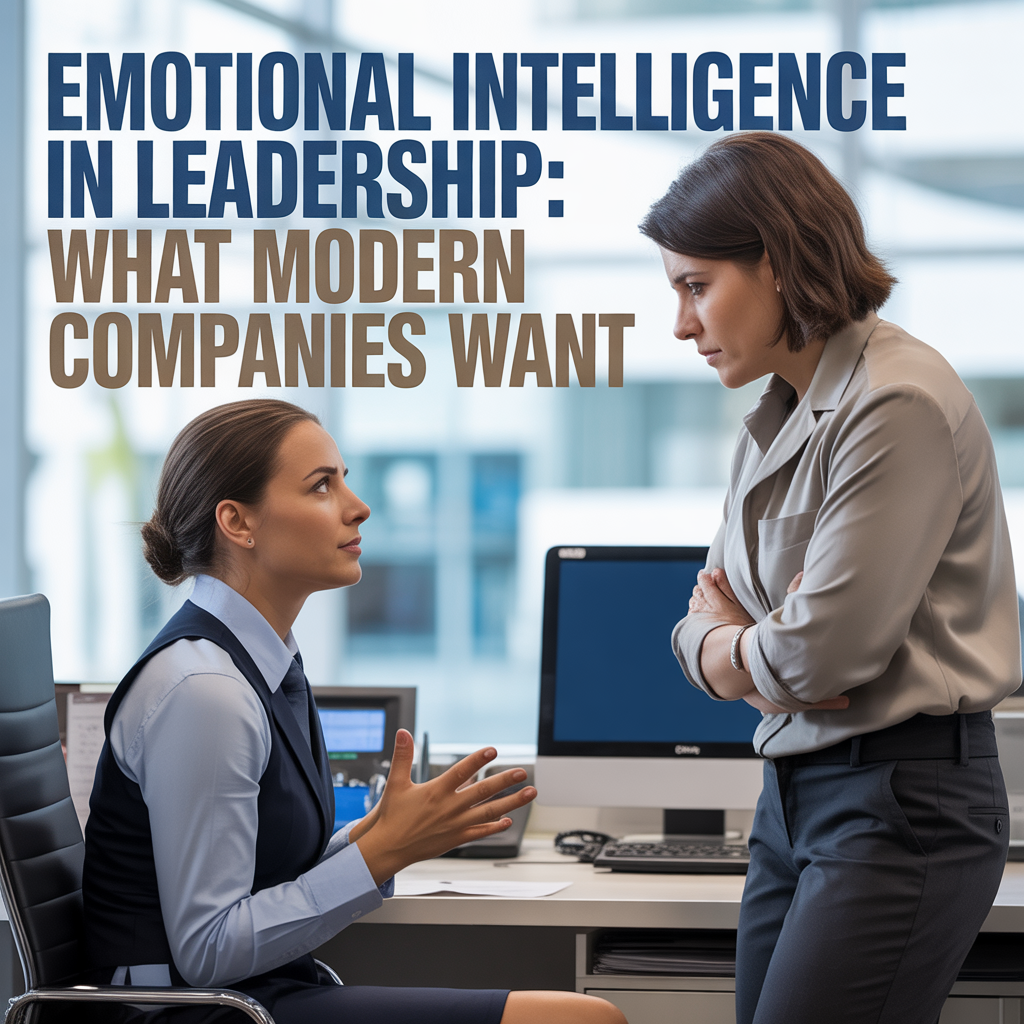
Discover why emotional intelligence in leadership drives success in modern companies. Learn core skills like empathy, self-regulation, and team collaboration that boost engagement and results.
Introduction
Companies lose $550 billion annually from disengaged employees, per Gallup. Leaders with strong emotional intelligence in leadership reverse this trend. They read team moods, manage stress, and build trust fast. Modern firms now prioritize EI over pure technical skills. This article explores the exact competencies companies seek and how they create measurable gains in productivity and workplace culture.
Why Modern Companies Demand Emotional Intelligence in Leadership
Tech giants like Google once focused on IQ. Project Aristotle revealed psychological safety—fueled by empathy in leadership—predicted team success better than individual brilliance.
Leaders with high EI spot burnout early through active listening. They adjust workloads before errors spike. McKinsey reports EI-driven teams innovate 20% faster. Self-awareness helps executives admit mistakes, which builds credibility. Without self-regulation, impulsive decisions erode morale.
Remote work amplifies the need. Video calls hide body language; EI fills the gap. Firms now screen for social skills in interviews. Result: lower turnover, higher employee engagement, and resilient workplace culture.
Core EI Competencies Companies Prioritize
Four pillars stand out.
- Self-Awareness and Self-Regulation
Leaders track their triggers. A manager notices rising frustration during delays, pauses, and reframes the conversation. This prevents toxic outbursts. Companies value resilience; EI leaders recover from setbacks without blaming teams. - Empathy in Leadership and Relationship Management
Empathy means understanding, not agreeing. A sales director senses a rep’s fear of rejection and offers targeted coaching. Relationship management turns conflicts into growth. Effective communication—clear, concise, two-way—cuts misfires by 30%, per Harvard studies. - Social Skills and Motivational Leadership
EI leaders rally during crises. They celebrate small wins, link tasks to purpose, and foster team collaboration. Trust building follows naturally. Decision-making improves when emotions inform logic, not override it.
How EI Drives Organizational Success
EI correlates with profit. Capstone studies show top EI leaders deliver 20% higher shareholder returns.
- Conflict Resolution: EI leaders de-escalate in minutes. They name feelings (“You seem frustrated”) and pivot to solutions.
- Adaptability: Market shifts demand flexibility. Emotionally intelligent executives read team anxiety and communicate change calmly.
- Employee Engagement: Gallup links EI to 21% greater profitability. Engaged teams innovate; disengaged ones stall.
Real example: Satya Nadella at Microsoft shifted culture from “know-it-all” to “learn-it-all.” Empathy training became mandatory. Revenue soared 300% in six years.
Conclusion
Emotional intelligence in leadership separates good managers from great ones. Master self-awareness, empathy, and social skills to meet modern company expectations. Assess your EI today—small improvements yield massive organizational success.