


Discover how to avoid ghost colleges, fake universities, and student visa scams. Learn to spot risks and choose trusted institutions for a safe study abroad experience.
Ghost Colleges: Avoid These Student Visa Pitfalls
When pursuing international education, the promise of global learning can be overshadowed by the risk of ghost colleges—institutions with no real campus, faculty, or accreditation. Students invest hopes, money, and time, only to discover they’ve fallen victim to a scam. This article addresses common pitfalls around ghost colleges, how to recognize them, and strategies to avoid costly mistakes while ensuring a secure and successful study abroad journey.
The Problem International Students Face
What Are Ghost Colleges?
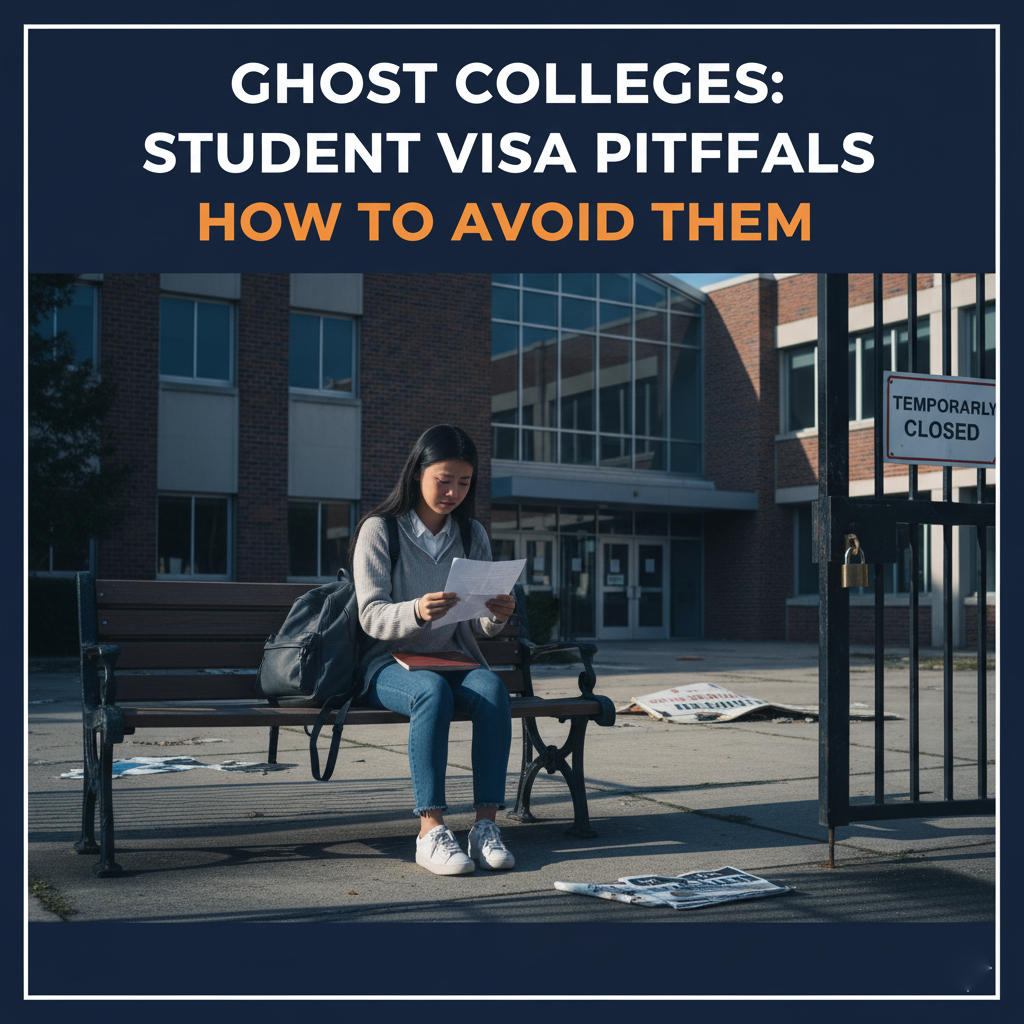
Ghost colleges refer to illegitimate or entirely fake educational institutions that lure international students with promises of degrees and easy visa processes. Unlike trusted institutions for international students, these entities operate without proper accreditation or tangible learning environments. Victims may arrive abroad only to find empty buildings or, worse, learn their “degree” is worthless.
Why Do They Exist?
As demand for foreign education rises, so do opportunities for fraudsters. Ghost colleges prey on students who lack experience with international admission processes or are desperate for a quick, affordable route to a student visa.
Dangers of Fake Universities and Student Visa Risks
Falling for fake universities and student visa risks exposes students to:
- Financial loss: Tuition, admission fees, and living expenses can add up to thousands of dollars.
- Deportation: Visas obtained through fraudulent institutions are invalid, risking legal trouble or forced return home.
- Wasted time: After discovery, credits are not transferable, and academic progress is lost.
- Reputational harm: Being associated with a diploma mill can damage future educational or career opportunities.
Common Student Visa Scams to Avoid
Scams targeting international students typically include:
- Bogus admissions offices: Enticing offers and fast-track admissions for a fee.
- Nonexistent or unaccredited programs: Degree programs that lack official recognition.
- Guaranteed visas: Agents promising visas through their “contacts” in exchange for extra payments.
- Fake websites and documentation: Forged acceptance letters, websites, and brochures mimicking legitimate colleges.
The Solution: Spotting and Avoiding Ghost Colleges
How to Spot Ghost Colleges Abroad
It’s crucial to identify signs of ghost colleges before committing any fees or personal information. Look for red flags such as:
- No recognized accreditation: Accreditation is granted by official government or authorized bodies; always verify through databases or embassy lists.
- No physical campus: If you can’t find a verifiable location or campus tours aren’t possible, be suspicious.
- Unrealistic promises: Watch for claims like “100% visa guarantee,” accelerated degrees, or extremely low tuition.
- Sketchy communication: Only receiving generic responses, urgent deadlines, or poorly written emails.
- Negative online reputation: Little to no information from independent sources, or persistent complaints in student forums.
Verifying Trusted Institutions for International Students
To avoid falling into traps, always:
- Check official lists: Consult your country’s education ministry, embassy, or authorized education portal for recognized institutions.
- Use government resources: Refer to university ranking websites, embassy advisories, and official recognition bodies.
- Contact consulates: Local embassies or consulates will confirm whether a school is authorized to admit international students.
- Ask for alumni references: Genuine colleges will connect you with past or current students.
- Research extensively: Review multiple independent sources, forums, and official sites.
What to Do If You Suspect a Scam
If you suspect you’ve been approached by or accepted to a ghost college:
- Stop all payments immediately.
- Report the institution to government agencies, embassies, and local authorities.
- Share warnings on trusted student forums and advisory sites.
- Seek legal advice and support from official student protection organizations.
Action Steps to Get Started
- Start with accredited lists: Begin your search on recognized government or embassy websites.
- Verify before you pay: Don’t send application or tuition fees until your checks are complete.
- Consult with experts: Reach out to certified education counselors or official advisors.
- Use checklists: Examine visa requirements carefully and ensure your college appears on visa-issuing authorities’ lists.
Spread awareness: Educate family members and friends about common student visa scams to avoid.