




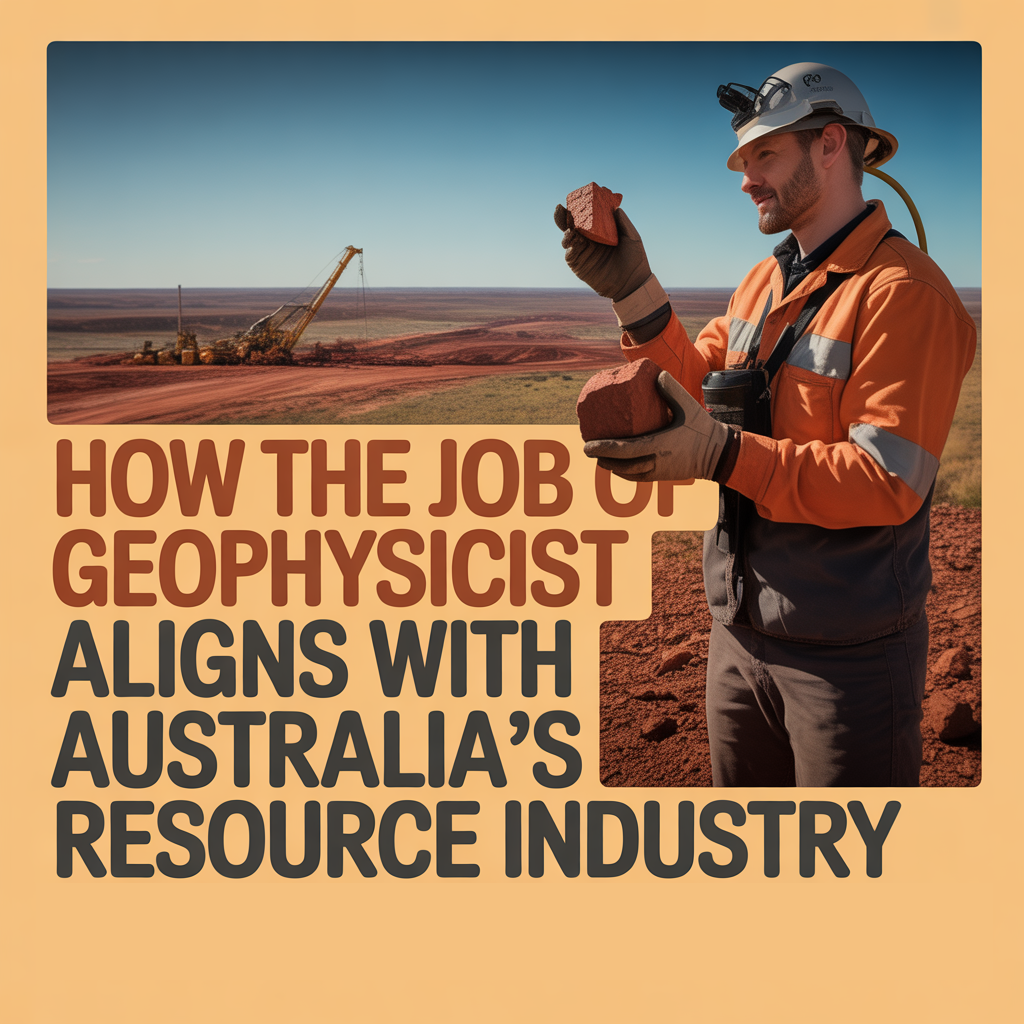
Discover how geophysicists drive Australia’s mining and energy sectors. Explore high-demand roles at BHP, Rio Tinto and Woodside, plus fast-track skilled migration pathways including Global Talent Visa and permanent residency. (198 characters)
Introduction
Australia’s resources sector contributes over AUD 300 billion annually to the economy and remains one of the few industries still facing critical skill shortages in 2025. Geophysicists play a central role in mineral exploration, oil and gas discovery, and the critical minerals boom. With ANZSCO 234413 listed on the Core Skills Occupation List, experienced geophysicists enjoy multiple visa options and clear pathways to permanent residency.
Why Australia Urgently Needs Geophysicists
The Australian mining industry and resources sector face a projected shortfall of more than 40,000 skilled workers by 2030. Lithium, copper, rare earths, and hydrogen projects require advanced geophysical interpretation to locate deposits quickly and cost-effectively. Seismic surveys Australia-wide, gravity magnetic surveys, and electromagnetic methods have become essential for both greenfield exploration and brownfield optimisation.
Major operators including BHP, Rio Tinto geophysics teams, Fortescue Metals Group, Woodside Energy, and Santos actively sponsor overseas geophysicists. Western Australia mining jobs, especially Perth-based roles, dominate recruitment, followed by Queensland resources projects.
Key Roles and Daily Responsibilities
Exploration geophysicists design and interpret seismic processing campaigns for iron ore geophysics and lithium geophysics projects. Mining geophysicists support active operations with real-time data using Petrel software and Oasis Montaj. Petroleum and seismic geophysicists focus on offshore and onshore oil and gas Australia developments, including carbon capture storage (CCS) and net-zero geophysics initiatives.
Most positions demand 3–8 years of experience and proficiency in 3D modelling, inversion techniques, and potential-field methods. Salaries typically range from AUD 140,000 to AUD 220,000 plus bonuses and relocation packages.
Skilled Migration Pathways for Geophysicists
Geophysicist (ANZSCO 234413) appears on the Core Skills Occupation List and qualifies for priority processing under several programs:
– Subclass 482 TSS visa (medium-term stream) – employer-sponsored, up to 4 years
– Subclass 186 Employer Nomination Scheme (ENS) – direct permanent residency
– Subclass 494 Skilled Employer Sponsored Regional – 5-year visa with PR pathway after 3 years
– Subclass 491 Skilled Work Regional (provisional) – state-nominated points-tested
– Global Talent Visa (GTI) – fast-track independent visa for distinguished professionals
– State nomination Western Australia and Northern Territory DAMA agreements
Western Australia regularly nominates geophysicists under its Graduate and Skilled Migration streams. Many Perth geophysicist roles qualify for concession-based English and experience requirements.
How to Position Yourself for Success
Secure a relevant job offer first. Register on LinkedIn, SEEK, and the Rio Tinto, BHP, and Woodside career portals. Highlight experience with seismic data acquisition Australia projects, critical minerals Australia work, or net-zero geophysics applications. Engage a registered migration agent familiar with the resources sector to choose the fastest visa route.
Conclusion
Geophysicists remain in genuine shortage across Australia’s resource-rich states. With high salaries, multiple visa options, and clear permanent residency pathways, 2025–2030 represents a strong window for international professionals to build a long-term career Down Under.