




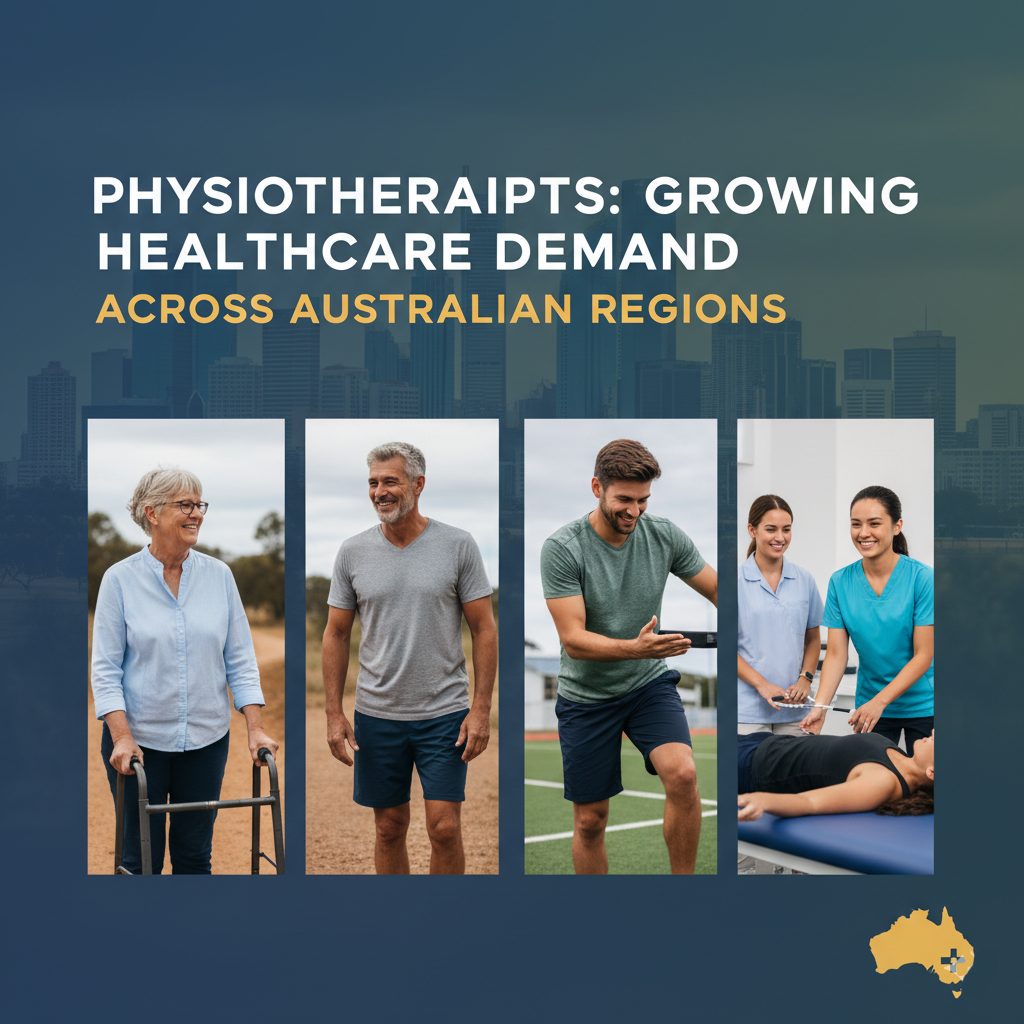
Explore the Physiotherapist Demand in Australian Healthcare. Learn about workforce shortages in Regional Australia, the impact of the NDIS, and pathways for skilled migration to fill critical Physiotherapy Jobs.
Introduction
Australia’s healthcare system faces a significant challenge: meeting the growing demand for essential services, particularly in Regional Australia and Remote Communities. The need for skilled physiotherapists is particularly acute, driven by an Ageing Population and major reforms like the National Disability Insurance Scheme (NDIS). This growing need presents an unparalleled opportunity for internationally qualified allied health professionals. We examine the factors fueling this persistent workforce shortage and detail the career pathways available across Australian regions.
The Core Problem: Why Physiotherapist Demand is Surging
The Physiotherapist Demand is not a temporary spike; it’s a structural necessity within the Australian Healthcare system. Several intersecting factors create a perfect storm of opportunity for new professionals. Understanding these drivers is the first step toward securing a successful Physiotherapy Job in Australia.
The Impact of Australia’s Ageing Population
As life expectancy increases, so does the prevalence of conditions requiring long-term care. The Ageing Population relies heavily on physiotherapy for mobility, pain management, and maintaining independence. This fuels a continuous demand for specialists in Geriatric Care. This demographic shift places immense pressure on the existing Physiotherapy Workforce.
The National Disability Insurance Scheme (NDIS) Effect
The NDIS fundamentally changed the disability sector, allocating significant funding to individuals who now access far more therapeutic services. Physiotherapists play a crucial role in providing essential Rehabilitation Services and support, creating thousands of new roles that simply did not exist a decade ago. This public policy directly contributes to current Workforce Shortages.
Increasing Focus on Chronic Disease Management and Prevention
Modern healthcare emphasizes Preventative Healthcare and managing conditions like diabetes, heart disease, and occupational injuries. Physiotherapy is central to Chronic Disease Management and treatment of common Musculoskeletal Conditions, driving demand across public and private sectors.
The Great Divide: Workforce Distribution and Regional Opportunity
The overall Physiotherapy Demand is high, but the distribution of practitioners reveals the most significant workforce shortages. Australia experiences a major Healthcare Disparity between city and country.
Metropolitan vs. Regional: A Tale of Two Markets
While major cities maintain a consistent demand, they also face greater competition. The true crisis—and the greatest career opportunity—lies in Regional Australia. Data consistently shows a dramatically lower ratio of physiotherapists per 100,000 residents in Rural Physiotherapy settings compared to Metropolitan vs. Regional centres. This imbalance makes roles outside capital cities priority for migration sponsorship.
The Challenge of Rural Physiotherapy Practice
Working in Remote Communities often requires a therapist to be a Clinical Generalist, managing a broader caseload than a city-based specialist. While challenging, this offers unparalleled variety and accelerated career growth. Unfortunately, issues like professional isolation and limited access to Professional Development contribute to a high Attrition rate, worsening the cycle of Workforce Shortages.
State and Territory Regional Migration Initiatives
State governments actively use skilled migration programs to target these regional gaps. They often provide special Incentives for Rural Practice, such as streamlined visa processing, state nomination priority, and even financial support for relocation and housing. These policies are critical components of current Health Policy Australia.
Strategies to Meet the Demand: Technology and Policy
Health Policy Australia and industry leaders are deploying various strategies to bridge the demand-capacity gap, many of which create new opportunities for skilled migrants.
Telehealth and Virtual Physiotherapy Solutions
Telehealth and Virtual Physiotherapy are becoming viable tools to improve access in remote and rural areas. These innovations reduce the impact of geographical distance, allowing metropolitan-based clinicians to support Remote Communities. For new migrants, gaining competency in these digital practice models can be a significant advantage.
Improving Recruitment and Retention
Addressing Attrition is key to stabilizing the Physiotherapy Workforce. Strategies focus on improving Recruitment and Retention through better professional support, clearer career pathways, and peer-to-peer mentoring programs, especially for Clinical Generalist roles in rural settings. For immigrant physiotherapists, seeking employers with robust support structures is crucial.
The Role of International Recruitment
The continued reliance on international talent underscores the scale of Workforce Shortages. Australia’s immigration strategy explicitly prioritizes Allied Health professionals. Migration pathways for physiotherapists often target roles in regional areas to help redress the current Workforce Distribution imbalance.
Conclusion
The Physiotherapist Demand across the Australian Healthcare landscape remains robust, particularly in Regional Australia and Remote Communities grappling with persistent Workforce Shortages. Driven by the Ageing Population and NDIS, this field offers secure, impactful Physiotherapy Jobs. International professionals stand as the key solution to this national challenge. Assess your qualifications, target regional roles, and begin your journey to a rewarding career in Australia’s thriving Allied Health sector.