




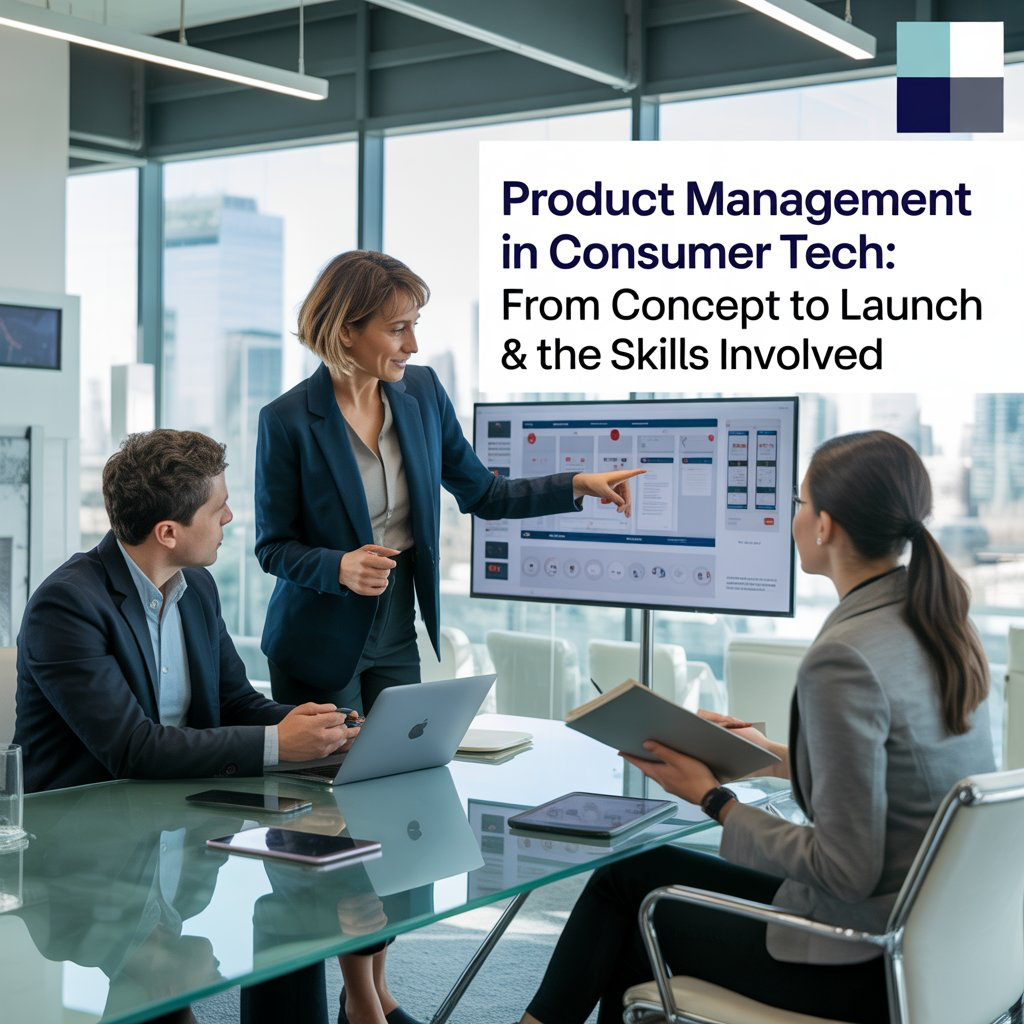
Explore product management in consumer tech, from concept to launch. Learn key skills, processes, and strategies for success in this dynamic field.
Introduction
Did you know that 95% of new consumer tech products fail to meet market expectations? Product management bridges the gap between innovative ideas and successful launches in the fast-paced world of consumer technology. This article dives into the product lifecycle, from concept to launch, and highlights the essential skills—technical and soft—that drive success. Whether you’re an aspiring product manager or curious about the process, you’ll uncover actionable insights to navigate this dynamic field.
Understanding the Product Management Process
Product management in consumer technology involves guiding a product from ideation to market success. The product lifecycle starts with identifying a market need through market research. Product managers collaborate with designers, engineers, and marketers to shape a product vision. They create roadmaps, prioritize features, and define the minimum viable product (MVP). This phase requires cross-functional collaboration to align teams on goals. By leveraging user feedback and market validation, managers ensure the product resonates with consumers, setting the stage for a successful product launch.
Key Stages: From Concept to Launch
The journey from concept to launch follows distinct stages. First, product strategy defines the vision and goals, grounded in market research. Next, prototyping and product design bring ideas to life, often using agile methodology for iterative development. Product testing validates functionality and user experience (UX). The go-to-market strategy finalizes marketing and distribution plans. Throughout, feature prioritization ensures resources focus on high-impact elements. Product metrics track performance post-launch, guiding iterations. This structured approach ensures consumer tech products meet user needs efficiently.
Essential Skills for Product Managers
Success in product management demands a blend of technical skills and soft skills. Technical skills include understanding data analysis to interpret product metrics and user stories to define requirements. Familiarity with agile methodology and Scrum aids in managing development cycles. Soft skills like communication skills, leadership, and problem-solving are crucial for stakeholder management and team alignment. Customer-centric design keeps user needs first, while innovationdrives competitive differentiation. These skills enable product managers to navigate complex projects and deliver impactful consumer tech solutions.
Challenges and Strategies in Consumer Tech
Consumer tech is dynamic, with rapid shifts in consumer tech trends. Product managers face challenges like balancing feature prioritization with tight timelines or managing conflicting stakeholder inputs. Project management skills help mitigate these by setting clear milestones and fostering cross-functional collaboration. Incorporating user feedback early through prototyping reduces risks. A strong go-to-market strategy ensures the product stands out in crowded markets. By staying adaptable and data-driven, product managers can overcome obstacles and deliver products that resonate with users.
Conclusion
Product management in consumer technology is a dynamic blend of strategy, collaboration, and execution. From concept to launch, it requires navigating the product lifecycle with a mix of technical skills like data analysis and soft skills like leadership. By mastering market research, prototyping, and go-to-market strategies, product managers drive innovation. Aspiring professionals should hone these skills and stay updated on consumer tech trends to succeed. Start exploring these skills today to shape the next big consumer tech product!