



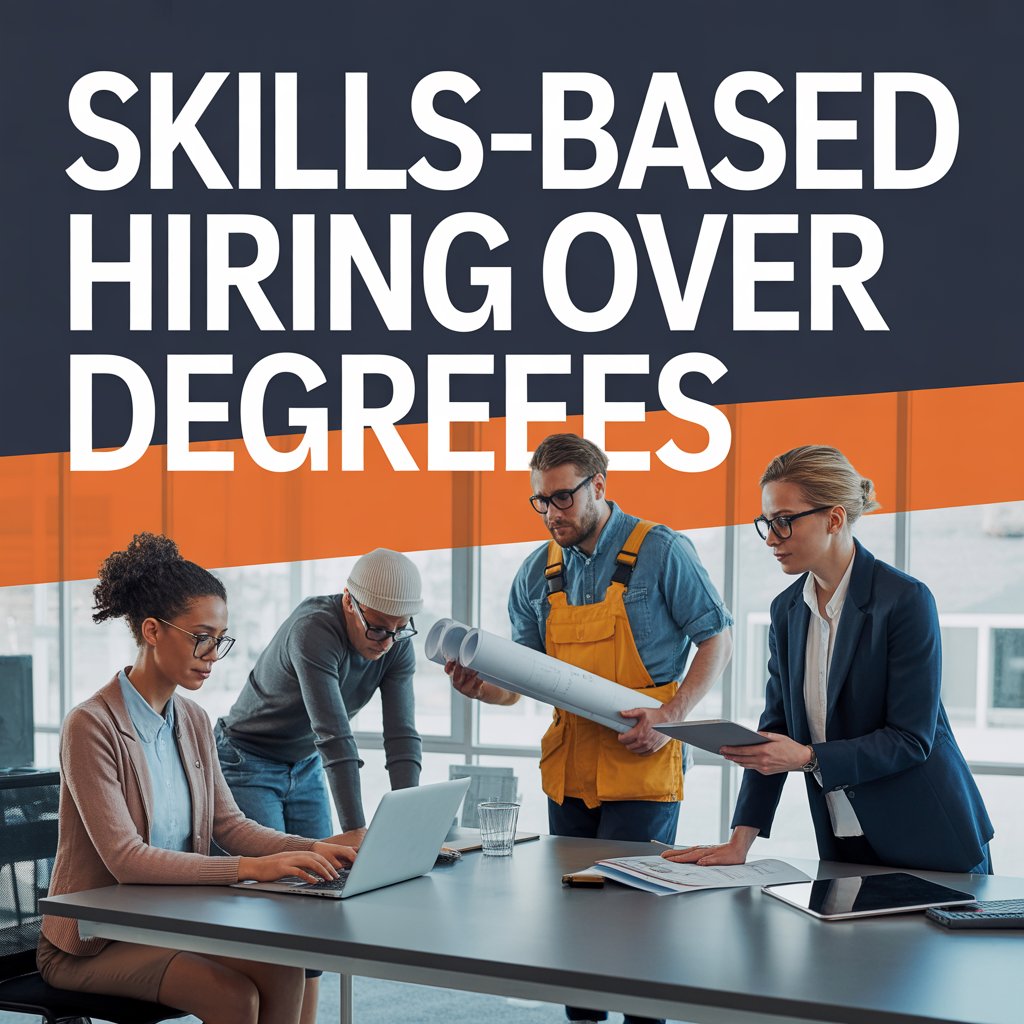
Discover how skills-based hiring over degrees transforms industries, opens career paths, and creates opportunities for immigrants in the job market.
Introduction
The job market is evolving, with 60% of employers now prioritizing skills over degrees, according to a 2023 LinkedIn report. This shift toward skills-based hiring opens doors for diverse talent, particularly immigrants, by valuing practical abilities over formal education. From tech to healthcare, industries are embracing competency-based recruitment to meet workforce demands. This article explores how skills over degrees is reshaping industries, creating non-degree career paths, and offering immigrants accessible opportunities in the skills-based job market.
The Rise of Skills-Based Hiring Across Industries
Skills-based hiring is transforming industries by focusing on job competency requirements rather than traditional credentials. In tech, companies like Google and IBM prioritize skills-driven employment, seeking candidates with coding, data analysis, or cybersecurity expertise. The healthcare sector values practical skills in patient care or medical coding, often hiring based on certifications rather than degrees. This industry hiring shift also impacts retail, manufacturing, and finance, where employers seek problem-solving and adaptability.
For immigrants, this trend creates opportunities in the skills-based workforce. Language skills, cultural knowledge, or hands-on experience gained abroad can outweigh the need for local degrees. Job skills hiring trends show a 20% increase in roles open to non-degree holders, per recent labor market data. This shift allows immigrants to enter fields like IT support or logistics, where practical skills are in high demand, leveling the playing field for diverse candidates.
Benefits of Skills-First Recruitment for Careers
Skills-first recruitment expands career pathways no degree required, offering flexibility for professionals. In tech, roles like software development or UX design value portfolios over diplomas. Creative industries, such as graphic design or content creation, prioritize skills-based career opportunities, with employers assessing work samples. This approach benefits immigrants who may lack local credentials but possess relevant experience or certifications earned internationally.
The professional skills hiring model also encourages lifelong learning. Workers can upskill through short courses or bootcamps, bypassing lengthy degree programs. For example, a 12-week coding bootcamp can lead to entry-level tech roles, with 70% of graduates employed within six months, per Course Report. Immigrants can leverage these programs to enter the skills-based job market, aligning their existing skills with industry needs and building sustainable careers.
Skills-Based Hiring in Key Industries
Technology Sector
The tech industry leads in hiring without degrees, with companies like Microsoft offering roles based on skills in cloud computing or AI. Certifications like AWS Certified Developer or CompTIA Security+ are often sufficient. Immigrants with technical experience can secure roles by showcasing projects on platforms like GitHub, making tech a prime field for skills-based career opportunities.
Healthcare and Social Services
Healthcare embraces competency-based recruitment for roles like medical assistants or community health workers. Certifications in CPR or medical billing open doors without requiring a degree. Immigrants with healthcare experience abroad can transition into these roles, leveraging multilingual skills to serve diverse communities in the skills-based workforce.
Creative and Media Industries
Creative fields prioritize portfolios in graphic design, video editing, or writing. Platforms like Behance showcase skills, enabling immigrants to compete without formal credentials. The career skills focus in media allows diverse talent to thrive by demonstrating practical abilities, such as creating compelling content or campaigns.
Training and Certifications for Skills-Based Careers
The shift to skills over degrees emphasizes accessible training. Online platforms like Coursera and Udemy offer courses in high-demand skills, such as data analysis, digital marketing, or project management. Coding bootcamps, like General Assembly, provide intensive training for tech roles, with flexible schedules ideal for immigrants balancing work and study. Certifications, such as Google’s IT Support Professional Certificate, enhance employability in the skills-based job market.
Immigrants can access community college programs or free resources like Khan Academy to build job competency requirements. Micro-credentials, like Salesforce Administrator certification, are recognized by employers and take months, not years, to earn. Building a portfolio or gaining hands-on experience through internships further strengthens applications, aligning with the workforce skills trends driving industry hiring shifts.
Immigration Pathways for Skills-Based Professionals
Skills-based hiring aligns with immigration pathways prioritizing practical expertise. In the U.S., the H-1B visa supports roles in tech and healthcare, where skills-driven employment is prevalent. Canada’s Express Entry system favors candidates with certifications or demonstrated skills, ideal for non-degree career paths. Australia and the UK offer similar programs, valuing industry skills demand in fields like IT or construction.
Immigrants should highlight certifications, portfolios, or work experience in visa applications. Networking via LinkedIn or industry events connects candidates with employers embracing skills-first recruitment. Multilingual skills or cultural expertise can differentiate applicants, especially in client-facing roles like customer support or community outreach, enhancing access to the job market transformation.
Navigating the Skills-Based Job Market
The skills-based job market rewards proactive strategies. Building a portfolio showcasing projects, such as coding apps or marketing campaigns, is critical. Job boards like Indeed list degree-free jobs, with filters for roles requiring certifications or experience. Joining professional communities, like Women Who Code or local meetups, provides networking and mentorship opportunities.
Immigrants can leverage their unique skills, such as cross-cultural communication, to stand out. Upskilling through short-term training aligns with job skills hiring trends, ensuring competitiveness. Engaging with employers who prioritize skills over degrees, like Deloitte or Accenture, increases chances of securing roles in this evolving job market transformation.
Challenges and Considerations
While skills-based hiring opens doors, challenges remain. Some industries, like law or medicine, still require degrees for licensure. Immigrants may face barriers if foreign credentials are not recognized, necessitating additional certifications. Language proficiency can also impact hiring, though many skills-based roles value technical ability over fluency. Addressing these challenges through targeted training or language courses ensures long-term success in the skills-based workforce.
Conclusion
Skills-based hiring over degrees is reshaping industries, creating non-degree career paths for immigrants and others. By prioritizing job competency requirements, employers in tech, healthcare, and creative fields offer accessible opportunities. Upskill through certifications or build a portfolio to join the skills-based job market. Start today by exploring training programs or job listings to seize these career opportunities!