




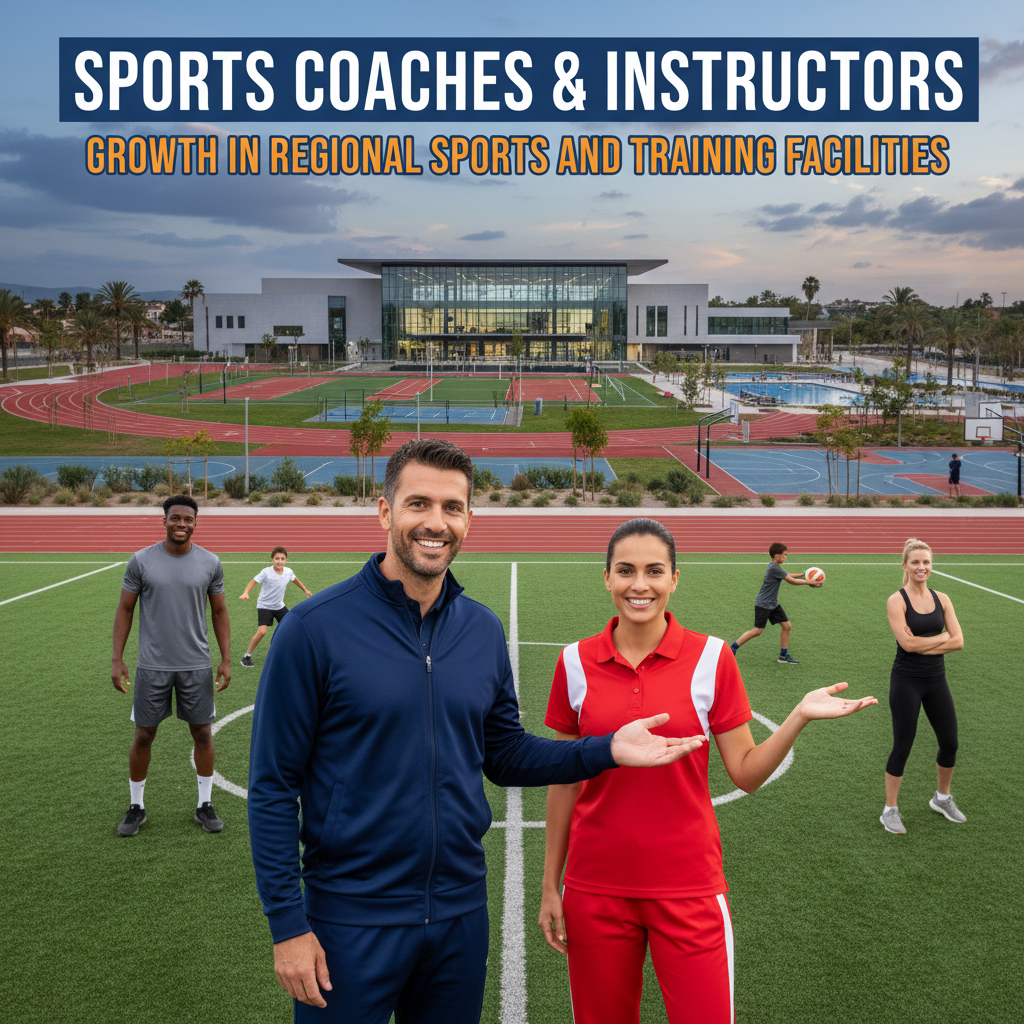
Explore the rise of sports coaches and instructors in regional sports and training facilities, driving community engagement and athletic development. Learn key trends and opportunities.
Introduction
The global sports industry is booming, with regional sports and training facilities emerging as hubs for athletic development and community engagement. According to a 2023 report by IBISWorld, the sports coaching industry is projected to grow by 3.5% annually through 2028, fueled by increased demand for youth sports, fitness instruction, and specialized coaching programs. As communities invest in sports infrastructure, opportunities for sports coaches and instructors are expanding rapidly. This article explores the growth of sports coaching, the role of training facilities, and how these trends are shaping regional sports development.
The Rise of Regional Sports and Training Facilities
Regional sports facilities are transforming communities by providing accessible spaces for athletic training and competition. These centers, ranging from local gyms to multi-sport complexes, cater to diverse groups, including youth athletes, amateur competitors, and fitness enthusiasts. The growth of sports infrastructure reflects a broader trend: communities recognize the value of sports in promoting health, teamwork, and economic activity.
Municipalities and private investors are pouring resources into recreational facilities to meet rising demand. For example, small towns and mid-sized cities are building state-of-the-art training centers to attract families and athletes. These facilities often include fields, courts, and fitness instruction areas, creating a one-stop shop for sports development. The result? A surge in demand for qualified sports coaches who can deliver tailored coaching programs to diverse audiences.
This expansion isn’t just about physical spaces. Regional facilities are fostering community sports by hosting sports camps, leagues, and clinics. These programs rely on skilled instructors to teach fundamentals, improve sports performance, and inspire participants. As a result, sports coaching has become a dynamic career path with opportunities for growth in both urban and rural settings.
The Evolving Role of Sports Coaches and Instructors
Sports coaches and instructors are at the heart of this growth, adapting to meet the needs of modern athletes. Unlike traditional coaching, today’s professionals often specialize in areas like athletic training, sports performance, or youth sports development. This specialization reflects the increasing complexity of sports education, where coaches must understand biomechanics, nutrition, and mental conditioning.
Coaching certification programs have also gained prominence, ensuring instructors meet high standards. Certifications from organizations like the National Strength and Conditioning Association (NSCA) or USA Coaching equip coaches with the skills to design effective training regimens. These credentials are particularly valuable in regional facilities, where coaches work with diverse groups, from beginners to competitive athletes.
Moreover, coaches are becoming community leaders. In regional sports settings, they don’t just teach skills—they build confidence and foster teamwork. For example, youth sports programs in local facilities emphasize character development alongside athletic skills, creating well-rounded individuals. This holistic approach has made sports coaching a rewarding and impactful profession, driving demand for qualified professionals.
Opportunities and Challenges in Sports Coaching
The growth of regional sports facilities opens doors for coaches but also presents challenges. One major opportunity is the variety of roles available. Coaches can work in sports camps, lead fitness instruction classes, or develop specialized programs for niche sports like pickleball or esports. These roles allow coaches to tap into growing markets and diversify their income streams.
However, competition for top positions is fierce. Coaches must stand out through expertise, certifications, and strong interpersonal skills. Additionally, regional facilities often operate on tight budgets, which can limit salaries for entry-level instructors. To overcome this, many coaches pursue advanced coaching certifications or specialize in high-demand areas like sports performance training.
Another challenge is accessibility. While urban areas benefit from well-funded facilities, rural regions may lack adequate sports infrastructure. Coaches in these areas often take on multiple roles, from program design to facility management, to bridge the gap. Despite these challenges, the demand for skilled coaches continues to grow, driven by communities’ commitment to sports education and development.
The Impact of Youth Sports and Community Engagement
Youth sports are a cornerstone of regional sports growth, with training facilities playing a pivotal role. Programs targeting young athletes not only improve physical fitness but also teach life skills like discipline and resilience. According to the Aspen Institute, participation in youth sports has risen by 10% in the past five years, with regional facilities leading the charge.
Coaches in these programs are instrumental in shaping young athletes. They design age-appropriate coaching programs that balance skill development with fun, ensuring long-term engagement. For example, sports camps hosted at local facilities offer immersive experiences where kids learn from certified coaches while building friendships.
Community sports also benefit from this growth. Regional facilities host events like charity runs, local tournaments, and fitness challenges, strengthening community ties. Coaches play a central role in organizing these events, leveraging their expertise to create inclusive, engaging experiences. This synergy between coaches, facilities, and communities underscores the transformative power of regional sports development.
Conclusion
The growth of regional sports and training facilities is reshaping the landscape for sports coaches and instructors. With expanding sports infrastructure and a focus on youth sports and community engagement, opportunities for skilled coaches are abundant. By pursuing certifications, specializing in athletic training, and embracing community-driven programs, coaches can thrive in this dynamic industry. Ready to make an impact? Explore coaching opportunities at your local sports facility or consider earning a coaching certification to elevate your career.