



Australia’s ageing population is fueling a critical Aged Care Nursing Demand. Explore the robust job market, mandatory 24/7 RN Presence requirements, salary increases, and career pathways for Registered Nurses in this essential sector.
Introduction
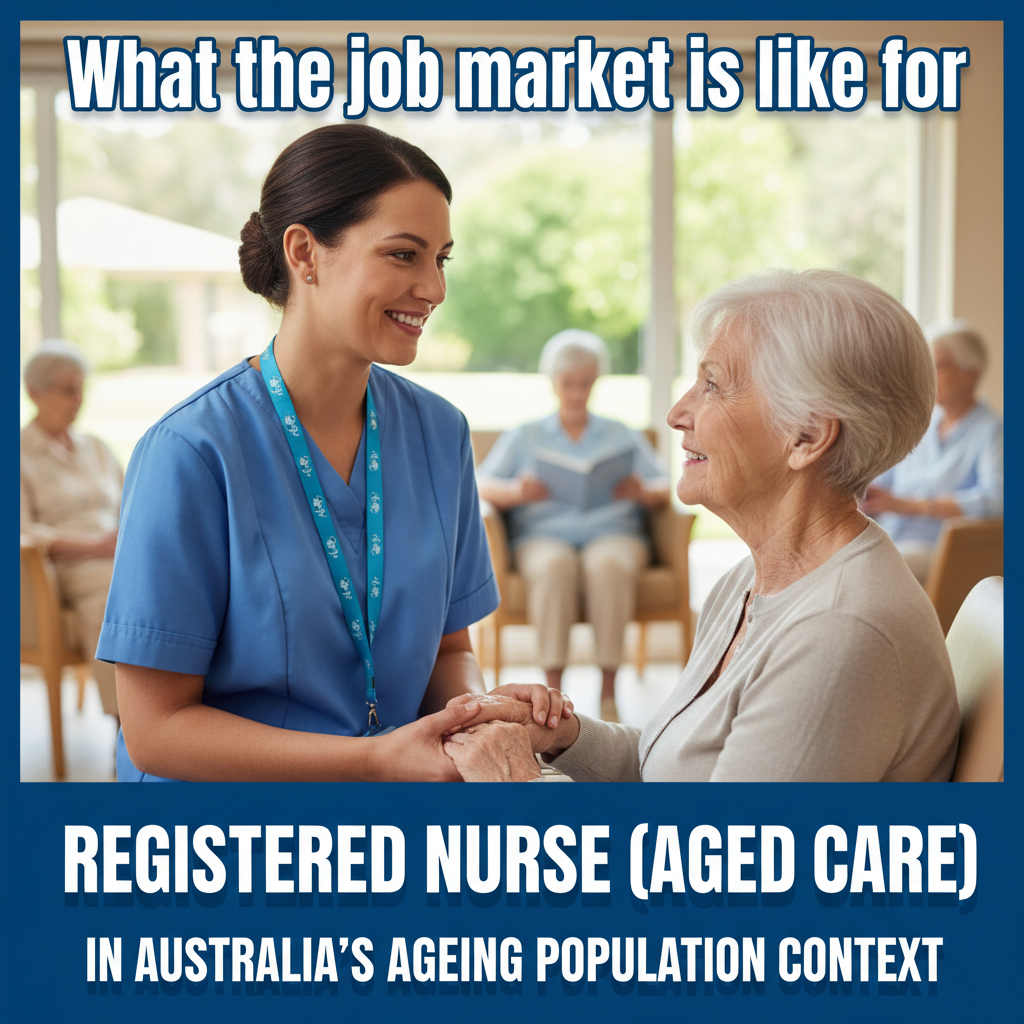
Australia faces a significant demographic shift. By the next decade, nearly one in five Australians will be over 65, creating soaring demand for high-quality elder care. This national transition makes the job market for a Registered Nurse (Aged Care) exceptionally strong. Driven by a rapidly ageing population growth Australia and essential government-mandated Aged Care Reforms, the career outlook for nurses in this sector is not just stable—it represents a crucial and expanding national priority. This article explores the current landscape, the regulatory changes creating immediate vacancies, and the pathways for nurses entering this vital field.
The Perfect Storm: Demand, Reforms, and the RN Shortage Australia
The aged care sector is experiencing a perfect storm of demand, a historic shortage, and ambitious regulatory change, all pointing to an unprecedented need for skilled Registered Nurse (Aged Care) professionals.
The RN Shortage Australia is particularly acute within residential and community aged care settings. While the overall nursing workforce is large, the number of nurses choosing to specialize in elder care has not kept pace with the dramatic increase in complex care needs. This gap is magnified by recent mandates following the Royal Commission into Aged Care Quality and Safety. The Commission highlighted the necessity of clinical expertise to ensure safety and quality.
Impact of 24/7 RN Presence and Minimum Care Minutes
A cornerstone of the Aged Care Reforms is the mandatory requirement for all residential aged care facilities to have a 24/7 RN Presence on-site. This rule, introduced in July 2023, instantly created thousands of new, non-negotiable nursing positions across the country. Furthermore, new regulations mandate minimum minutes of direct care per resident per day, including a minimum amount provided by an RN. As of October 2024, facilities must meet 215 total care minutes, with at least 44 minutes delivered by a Registered Nurse.
This regulatory push translates directly into a robust job market. Providers, particularly smaller and Regional & Rural Nursing Aged Care facilities, struggle to meet these staffing requirements, making an RN with aged care expertise a highly sought-after professional. This structural demand guarantees job security and leverage for skilled nurses.
Salary Trends, Recruitment, and Retention Strategies
The challenging workforce environment has forced the Australian government and aged care providers to implement aggressive strategies to recruit and retain nurses. These strategies are having a noticeable, positive impact on compensation and professional development.
Significant RN Wage Increase and Incentives
Historically, aged care nursing salaries lagged behind the acute hospital sector. That is changing rapidly. The Fair Work Commission’s recent Aged Care Salary increase decision, driven by the Aged Care Work Value Case, is correcting this imbalance. These RN Wage Increase adjustments, which began in 2025 and continue in stages, are making aged care a far more financially competitive career choice. The average Registered Nurse salary trends Aged Care Australia are on an upward trajectory, supplemented by additional government funding and incentives, especially for nurses working in regional areas or taking on leadership roles.
International Recruitment and Workforce Shortfall Mitigation
To mitigate the immediate Workforce Shortfall Aged Care, the Australian Government is actively promoting International Recruitment Nurses Australia through streamlined visa pathways and inclusion on national skills priority lists. For foreign-trained nurses, the job outlook is excellent, with sponsorship opportunities abundant. The sector understands that external recruitment is essential to bridge the immediate gap while long-term strategies, such as scholarships and transition-to-practice programs for new graduates, build a sustainable domestic pipeline.
Diverse Career Pathways and Clinical Leadership in Aged Care
The role of a Registered Nurse (Aged Care) is evolving beyond the traditional bedside model. New reforms demand higher standards of clinical governance and specialized skills, opening up diverse and rewarding RN Career Pathways Aged Care.
Specialisation: Gerontological and Palliative Care Nursing
The complexity of the elderly population means specialisation is highly valued. Expertise in Gerontological Nursing—focused on the health and well-being of older adults—and Palliative Care Nursing are in exceptionally high Aged Care Nursing Demand. Nurses with postgraduate qualifications or demonstrable experience in chronic disease management, dementia care, wound management, or medication governance are highly marketable.
Clinical Leadership and Governance
The 24/7 RN requirement has cemented the RN’s role as a clinical leader. RNs are now responsible for clinical governance, supervision of Enrolled Nurses and personal care workers, and ensuring compliance with the Aged Care Quality Standards. This elevated responsibility translates into pathways for promotion to roles like Clinical Care Coordinator, Nurse Unit Manager, and even Director of Nursing. Nurses in the aged care sector are now expected to provide high-level clinical oversight, reduce unnecessary hospital transfers, and champion the quality-of-life framework central to modern aged care.
The distinction between settings is also a key career consideration. Roles in Residential Aged Care vs. Community Aged Care offer different working styles—one focused on facility-based 24/7 care, the other on in-home support with greater autonomy. Both sectors are experiencing high demand, allowing RNs to choose a setting that best suits their professional interests.
Conclusion
The job market for a Registered Nurse (Aged Care) in Australia is experiencing unprecedented demand, driven by demographic necessity and legislative reform. The government’s commitment to mandatory 24/7 coverage and better pay has transformed this area into one of the most critical and opportunity-rich sectors of the Australian healthcare system. A career in aged care now offers security, competitive wages, and clear pathways to Clinical Leadership Aged Care. Skilled nurses are no longer simply needed; they are the central pillar of Australia’s strategy to provide safe and high-quality care to its growing elderly population. Take action now and explore your pathway to a professionally fulfilling and nationally vital career.