


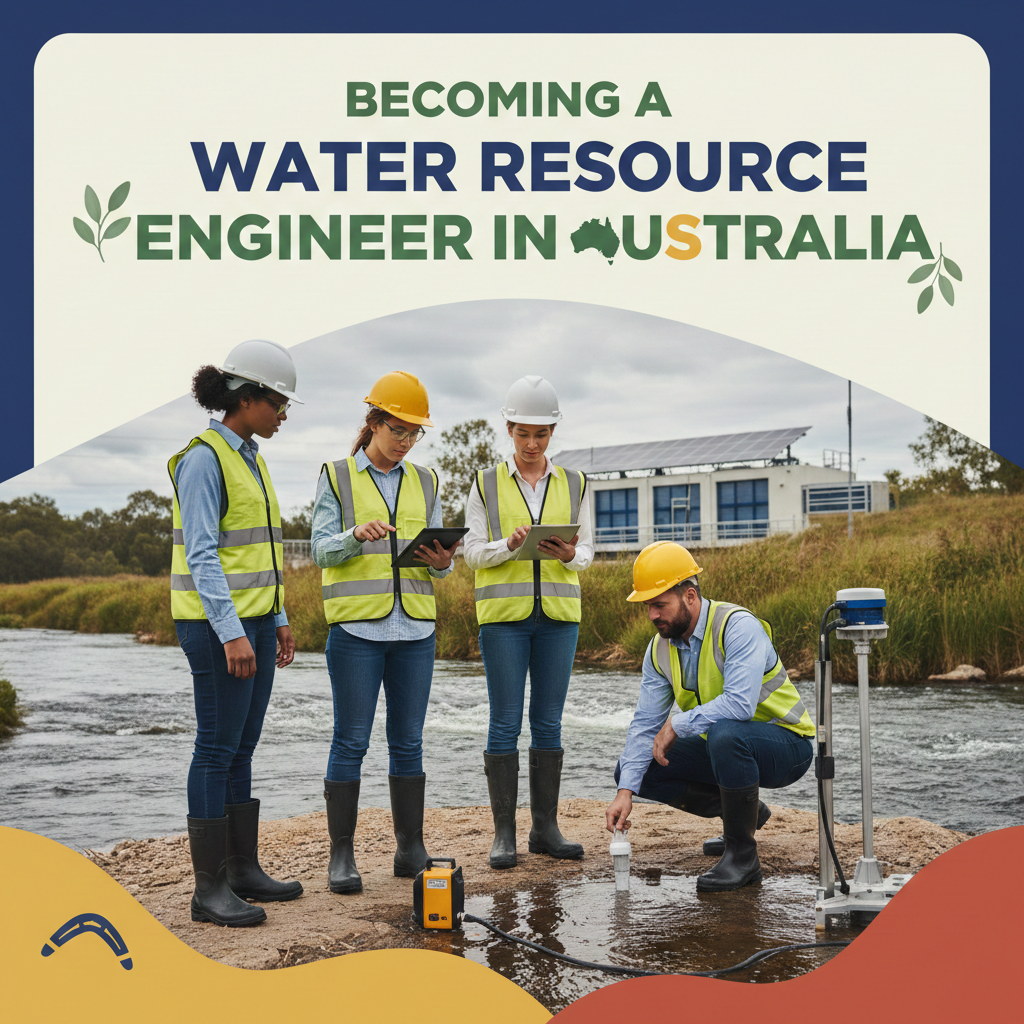
Australia is currently navigating a pivotal era in environmental management, making the role of a Water Resource Engineer more critical than ever. With the 2026 Basin Plan Review underway and increasing climate volatility, the nation faces a significant shortage of experts capable of securing its most precious resource. This article explores the convergence of climate change, skyrocketing industry demand, and the evolving migration pathways available to global professionals looking to build a career in the Australian water sector.
Climate Change and the Resilience Mandate
The Australian landscape is a study in extremes, and the engineering responses in 2026 reflect a shift toward permanent resilience. Engineers are no longer just managing supply; they are redesigning the national water infrastructure to withstand unprecedented variability.
Adaptive Management has become the gold standard for projects across the Murray-Darling Basin. This approach requires engineers to design systems that can be adjusted in real-time as rainfall patterns shift. To achieve this, the industry has moved away from historical data, which no longer accurately predicts future cycles. Instead, Stochastic Hydrology—using probabilistic data to model a range of possible climate futures—is now a core requirement for any major project.
Flood mitigation also requires advanced technical precision. Professionals must be experts in calculating PMP (Probable Maximum Precipitation) and PMF (Probable Maximum Flood). These metrics are vital for dam safety and the protection of downstream communities. Furthermore, as natural rainfall becomes less reliable, Australia is investing heavily in “climate-independent” sources. This has led to a boom in Desalination and DPR (Direct Potable Reuse) projects, ensuring that major cities like Perth, Sydney, and Melbourne remain water-secure regardless of drought.
Technical Skills and Digital Transformation
The demand for Water Resource Engineers is being fueled by a massive Infrastructure Renewal cycle. Much of Australia’s 20th-century water assets are reaching their end-of-life, necessitating a high-tech overhaul. In 2026, this renewal is inextricably linked to Digital Transformation.
Employers are actively seeking engineers proficient in Digital Twins—virtual replicas of catchment areas and pipe networks that allow for real-time monitoring and predictive maintenance. To succeed, you must master the industry-standard Modeling Suites, including TUFLOW, HEC-RAS, MUSIC, and MIKE. Proficiency in the ARR 2019/26 (Australian Rainfall and Runoff) national guidelines is also a non-negotiable prerequisite for local practice.
Beyond traditional grey infrastructure, there is a growing trend toward Nature-Based Solutions. The “sponge city” concept, which uses artificial wetlands and permeable surfaces for flood mitigation, is a key component of WSUD (Water Sensitive Urban Design). Additionally, as surface water becomes more volatile, Hydrogeology skills are in high demand to manage groundwater systems effectively.
Migration Pathways and Professional Standards
For international professionals, the migration outlook for Water Resource Engineers remains exceptionally strong. Under the ANZSCO 233211 (Civil Engineer) code, water specialists are categorized on the MLTSSL (Medium and Long-term Strategic Skills List), which offers the most stable routes to Permanent Residency (PR).
In 2026, the Australian government transitioned to the CSOL (Core Skills Occupation List) framework. This system prioritizes visa processing for “Core Skills” occupations that directly support the national Net-Zero Transition and infrastructure pipeline. The primary assessing authority for these roles is Engineers Australia (EA). To qualify, you must undergo a skills assessment, which may involve a Competency Demonstration Report (CDR) if your degree is not covered by the Washington Accord.
State registration is becoming increasingly mandatory. In Queensland, you must be a RPEQ (Registered Professional Engineer of Queensland), while Victoria requires RPEV status for certain roles. Achieving CPEng (Chartered Professional Engineer) status significantly boosts your competitiveness and points for skilled visas.
Regional Opportunity and PR Pathways
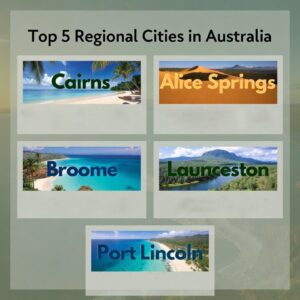
While major cities offer many roles, the Regional Priority areas are where the greatest labor shortages exist. Hubs like the Goulburn Valley and the Hunter Region often provide faster pathways to PR through the Subclass 491 (Skilled Work Regional) visa. These regions are the heart of Australia’s Mine Water Management and Irrigation Modernization projects, offering diverse and high-paying career opportunities.
Conclusion
Becoming a Water Resource Engineer in Australia in 2026 offers a unique opportunity to solve one of the world’s most pressing challenges. By combining high-level technical skills in Digital Twins and Stochastic Hydrology with an understanding of the CSOL migration framework, you can secure a rewarding career in a sector that is vital to the nation’s future. Australia is ready for your expertise—are you ready to take the next step?