



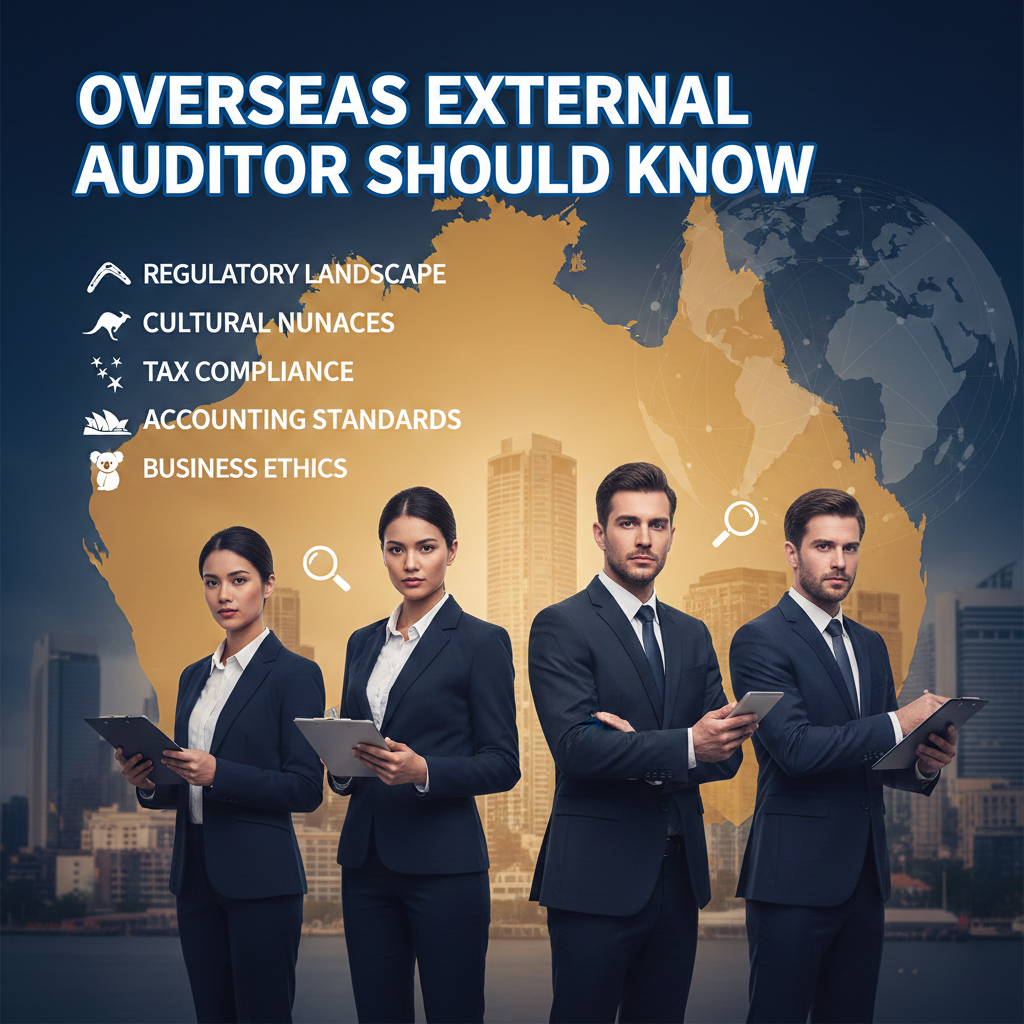
The Australian landscape for financial professionals is shifting. By 2026, the nation expects a requirement for over 330,000 accounting professionals, yet local graduate numbers have dwindled. For an overseas External Auditor, this creates a significant opportunity. However, migrating is no longer just about having the right degree. It requires a precise understanding of the new Core Skills Occupation List (CSOL), navigating specific professional assessments, and adapting to a unique regulatory environment. This article provides a roadmap for auditors looking to successfully transition their careers to Australia.
Professional Accreditation & Skills Assessment
The first hurdle in your journey is the mandatory migration skills assessment. Even with years of experience, you cannot apply for most skilled visas without a formal “suitable” outcome from an authorized body. In Australia, the three primary Assessing Authorities are CA ANZ (Chartered Accountants Australia and New Zealand), CPA Australia, and the IPA (Institute of Public Accountants). These bodies verify that your overseas education and English proficiency meet Australian standards.
When applying, you must nominate the correct ANZSCO 221213 code for External Auditor. The assessment focuses heavily on Mandatory Competency Areas. For auditors, your degree or professional qualification must cover at least 8 to 9 specific subjects. These include Audit and Assurance, Financial Accounting and Reporting, and Business Law. Notably, you must demonstrate knowledge of Australian Taxation Law, which often requires overseas candidates to complete a bridging unit. Furthermore, you must meet English Proficiency requirements, typically a score of IELTS 7.0 or PTE Academic 65 across all bands.
Visa Pathways & Immigration Strategy
In 2026, the Australian immigration system emphasizes the Core Skills Occupation List (CSOL). This list identifies roles that address immediate economic needs. As an External Auditor, you have access to several high-value visa categories.
The most popular routes are the Subclass 190 (Skilled Nominated) and Subclass 491 (Skilled Work Regional) visas. These are points-tested and require a nomination from a state or territory government. The 491 visa is particularly attractive in 2026, as the government offers priority processing for those willing to live and work in regional areas, providing a clear path to Permanent Residency (PR).
For those with a job offer, the Subclass 482 (Skills in Demand) visa is the primary employer-sponsored option. This visa allows you to live in Australia for up to four years and provides a streamlined transition to PR. Regardless of the pathway, you must first lodge an Expression of Interest (EOI) through the SkillSelect system. If you are a recent graduate from an Australian institution, completing a Professional Year (PY) can grant you extra points and essential local networking opportunities.
Australian Regulatory Environment
Working as an auditor in Australia requires more than just technical skill; it requires a deep dive into the local legal framework. The Auditing and Assurance Standards Board (AUASB) is the authority that issues ASAs (Australian Auditing Standards). While these are largely aligned with International Standards on Auditing (ISA), there are specific Australian requirements you must follow to remain compliant.
The primary piece of legislation you will work under is the Corporations Act 2001. This act dictates the requirements for company audits and mandates strict auditor independence. You will also interact with ASIC (Australian Securities and Investments Commission), the national regulator that oversees corporate governance.
A significant trend for 2026 is the rise of Sustainability Assurance. Knowledge of ASSA 5000 is becoming a prerequisite for many senior roles as Australian companies face new climate-related reporting mandates. Additionally, if you aspire to sign off on statutory audits for large companies, you must eventually apply to become a Registered Company Auditor (RCA).
Market Demand & Employment Trends
The demand for auditors in Australia remains at an all-time high. The Big Four (Deloitte, PwC, EY, and KPMG) and Mid-Tier firms like BDO and Grant Thornton are constantly recruiting internationally mobile auditors to fill gaps in their teams. You can choose between Public Practice, where you serve a variety of clients, or moving into Commerce for “Group Reporting” roles within ASX-listed corporations.
Timing your move is critical. The Australian “Busy Season” typically runs from July to September, coinciding with the June 30 financial year-end for most local companies. However, a secondary busy period occurs from January to March for clients with December year-ends.
Firms in 2026 are also placing a heavy emphasis on Work-Life Balance to combat burnout. Many offer flexible arrangements and wellness programs to attract overseas talent. Understanding these cultural shifts will help you choose an employer that aligns with your long-term career goals.
Conclusion
Migrating to Australia as an External Auditor offers a path to a stable, high-paying career in a country with a high standard of living. By focusing on your skills assessment, choosing the right visa, and mastering the local regulatory landscape, you can make your Australian dream a reality. Start by checking your eligibility with one of the assessing authorities today.